Qwen3.7-Max Unveiled: The Model Race Reaches a New Threshold in the Agent Era
With Qwen3.7-Max, Alibaba Cloud announced an ambitious model for coding agents, MCP-based workflows, long-running autonomous execution and multilingual reasoning.
194 posts on this topic

With Qwen3.7-Max, Alibaba Cloud announced an ambitious model for coding agents, MCP-based workflows, long-running autonomous execution and multilingual reasoning.

According to financial projections Anthropic shared with investors, the company is preparing to report 10.9 billion dollars in revenue and about 559 million dollars in operating profit in the second quarter. Enterprise demand for Claude-based coding tools plays a decisive role in the company's growth, while a relative drop in compute costs strengthens the prospect of profitability.

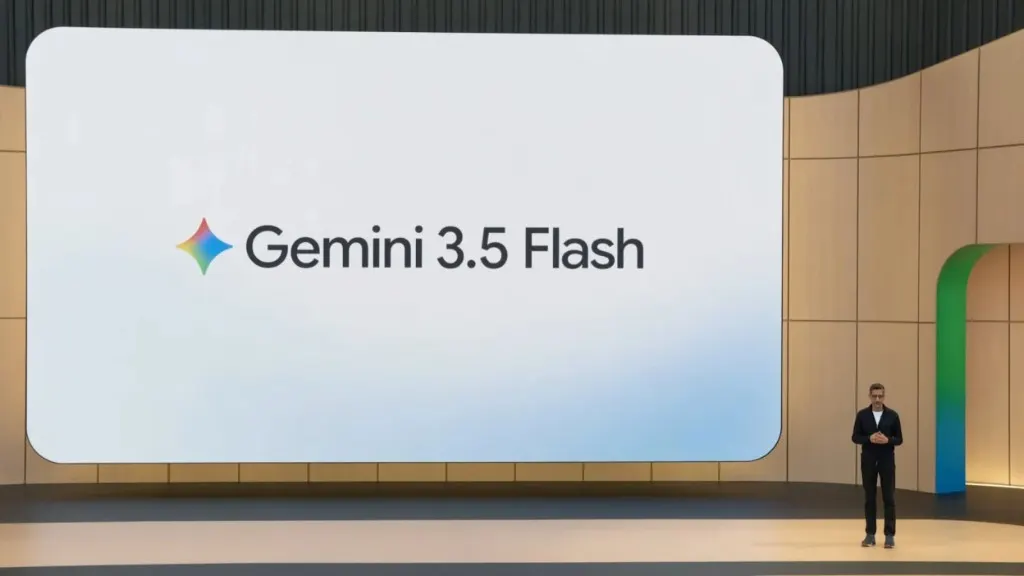
Google introduced Gemini 3.5 Flash at I/O 2026. The model outperforms 3.1 Pro in coding and agent tasks and became the default in the Gemini app and Google Search AI Mode. Parallel sub-agent support in Antigravity and Gemini Spark integration were also announced.

In a podcast appearance, Anthropic CFO Krishna Rao said more than 90 percent of the company's code is now produced by Claude. The company's annualized revenue has grown from 9 billion dollars to more than 30 billion dollars, while Claude Code reached the 1 billion dollar revenue band in just six months.

With Ernie 5.1, Baidu made an ambitious move not only on performance but also on training cost. The company says the model was developed with roughly 6 percent of the pretraining cost of comparably sized systems.

With its Daybreak initiative, OpenAI aims to turn cybersecurity from an after-the-fact check into part of the software development process. A new defense layer is being built with GPT-5.5-based models, Codex Security agents and major technology partners.

Known as the GitHub of AI models, Hugging Face brings thousands of models, datasets and demo apps together under one roof. This post covers everything you need to know about the platform.

OpenAI has refreshed ChatGPT's default model with GPT-5.5 Instant. How do a lower hallucination rate, clearer answers and memory sources change the user experience?

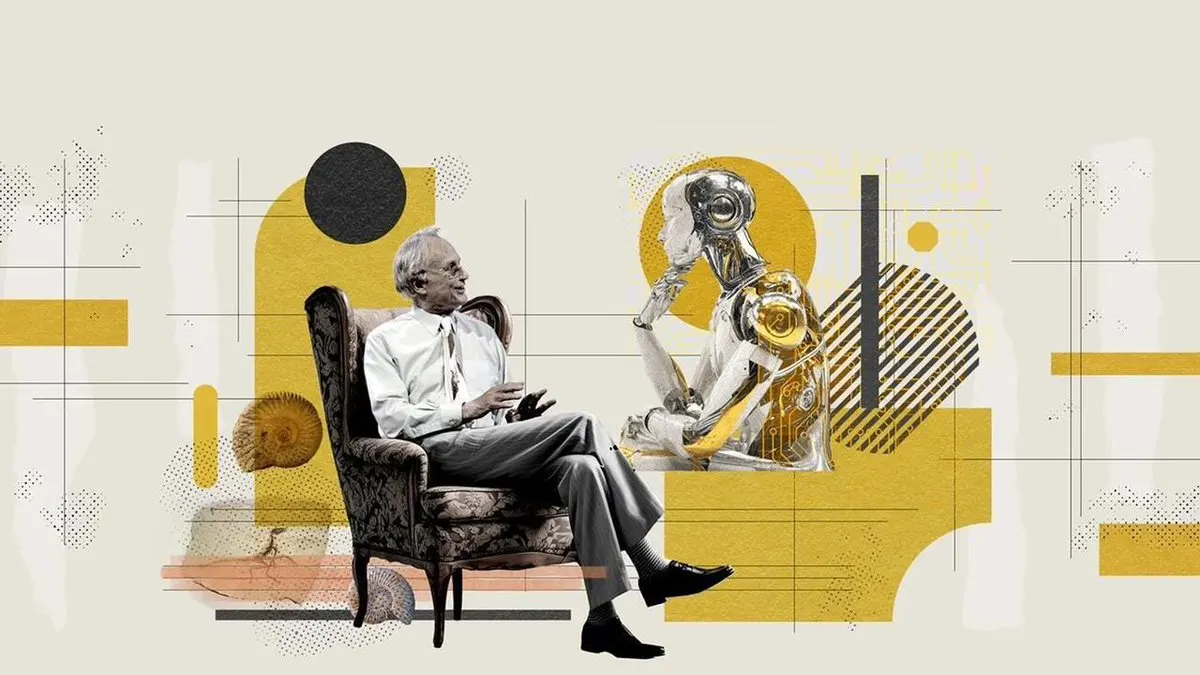
Richard Dawkins’ long conversation with Claude has reopened old questions about whether AI can be conscious. We look at the Turing Test, the impression of personality AI gives, the transience of sessions and the debate on ethical responsibility together.

Copilot switching to agent mode in Office apps expands AI's role in enterprise productivity tools. We look at what a more autonomous Copilot inside Word, Excel and PowerPoint means for the business world.

With its low-cost API strategy, DeepSeek is increasing price pressure in the AI model market. In this post we look at what the cuts mean for developers, startups, big labs and enterprise use.

The new research agents powered by Gemini 3.1 Pro are part of Google's strategy to turn AI from a chat tool that answers into a work layer that carries out research. We look at what Deep Research and Deep Research Max offer.

Grok 4.3 Beta and xAI's new voice APIs show the goal of turning Grok from a chatbot that only runs inside X into a broader AI platform. In this post we look at xAI's agent, context and voice strategy.

GPT-Rosalind is an important step by OpenAI from the general-purpose ChatGPT experience toward more specialized scientific models. We look at what the model, aimed at biology, drug discovery and medical research, promises and what it means for the AI race.

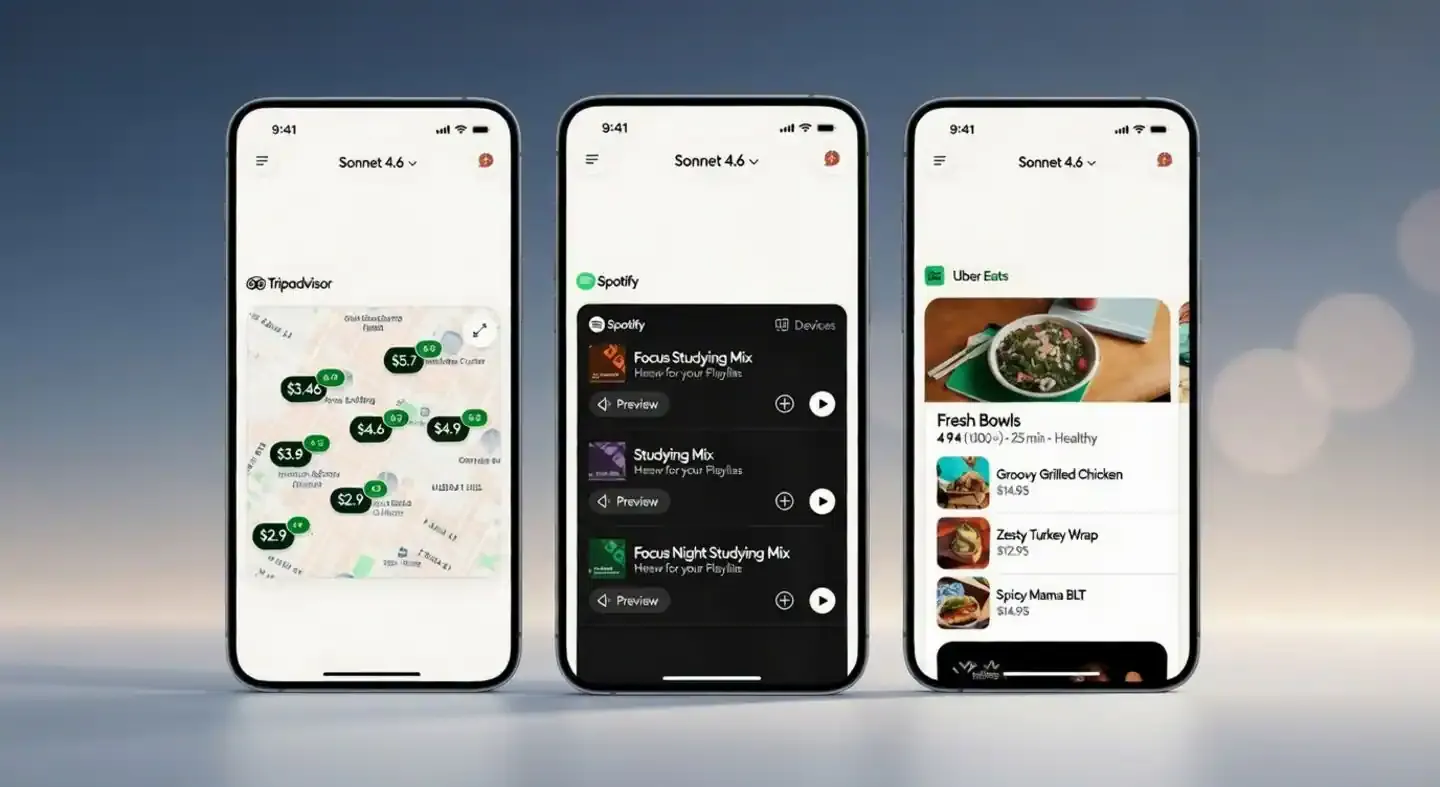
Claude has started building deeper connections with everyday apps like Uber, Spotify, Instacart, Booking.com and TripAdvisor. Anthropic's connector approach turns AI from a tool that only answers into an assistant that understands context on the user's behalf, makes suggestions and can initiate actions.

The DeepSeek V4 preview was announced with Pro and Flash options. With a 1 million context window, an open source approach, agent-focused optimizations and Huawei Ascend support, the model stands out as the Chinese AI ecosystem's new competitive move.

On April 23, 2026, OpenAI introduced GPT-5.5 and GPT-5.5 Pro. Standing out with 82.7% on Terminal-Bench 2.0, 84.9% on GDPval and 78.7% on OSWorld-Verified, the model keeps the same per-token latency as GPT-5.4 while consuming noticeably fewer tokens. In this post we cover everything from the new capabilities and benchmarks to Codex integration and API pricing.

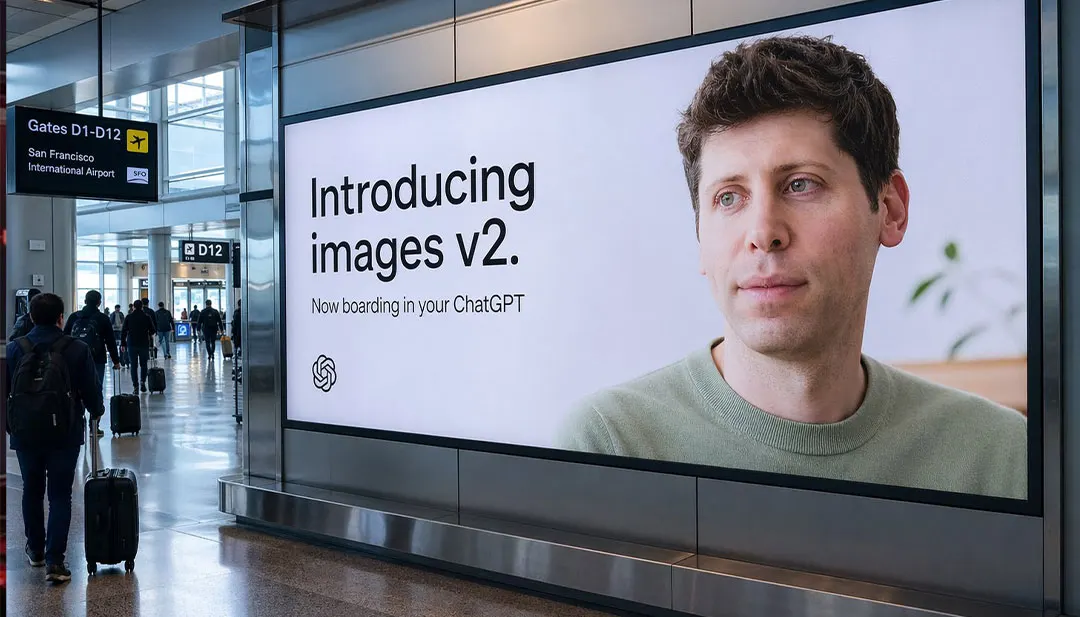
OpenAI introduced ChatGPT Images 2.0 and its API counterpart gpt-image-2. The model stands out for instruction fidelity, sharper small text and interface details, photorealistic textures, wide aspect ratio support and a ‘thinking model’ mode that researches and plans. In this post we summarize what the new features mean, who gets access to which feature and where the model still struggles.

Anthropic's new flagship Claude Opus 4.7 arrived with improvements in coding and visual analysis. According to the company's own system card, the new model did not reach the performance of Mythos Preview, which is offered to select enterprise partners. We looked at the launch details, pricing and the Mythos comparison.

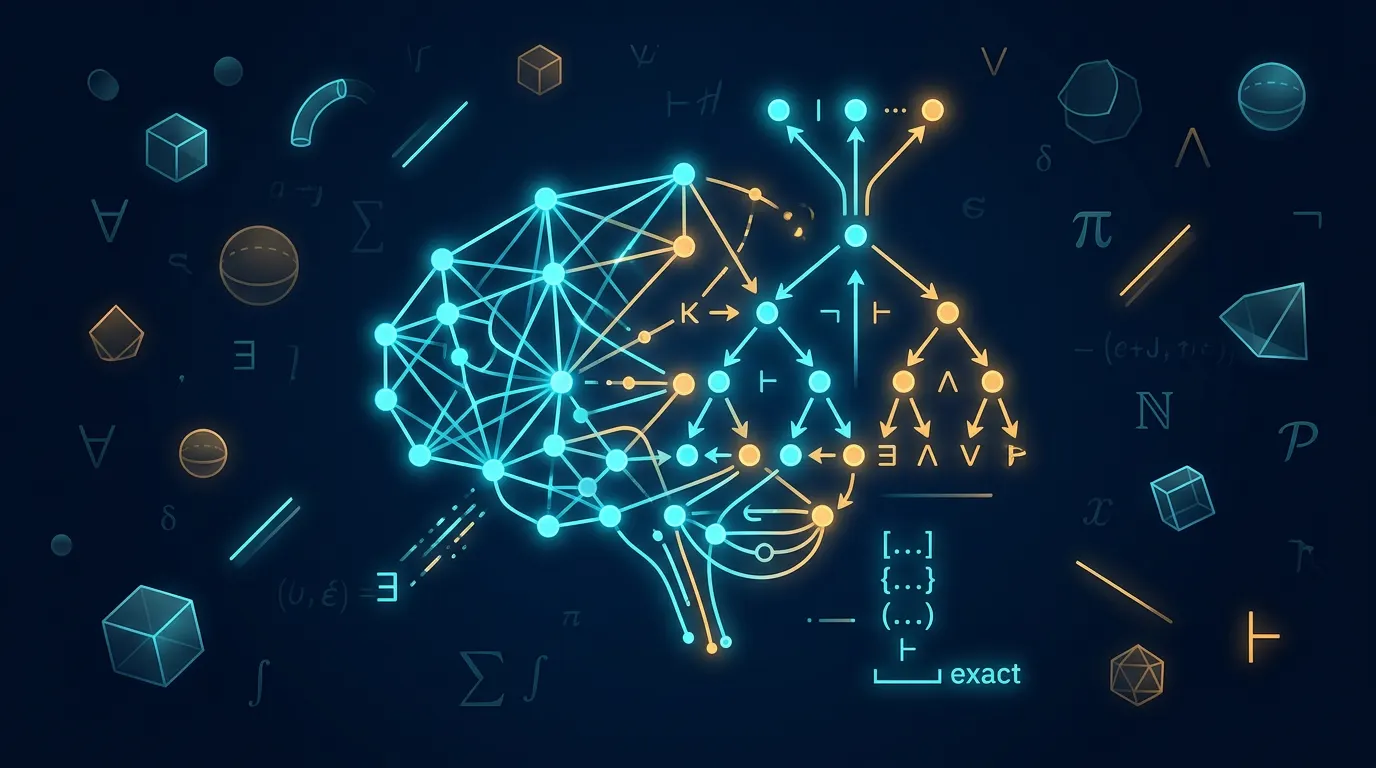
By combining a component that generates mathematical strategy with a second component that carries the proof into a formal language, the researchers propose a two-track defense against the reliability weakness of large language models. The work is at the preprint stage; still, it offers a concrete example of how automated theorem proving and literature search can scale together.

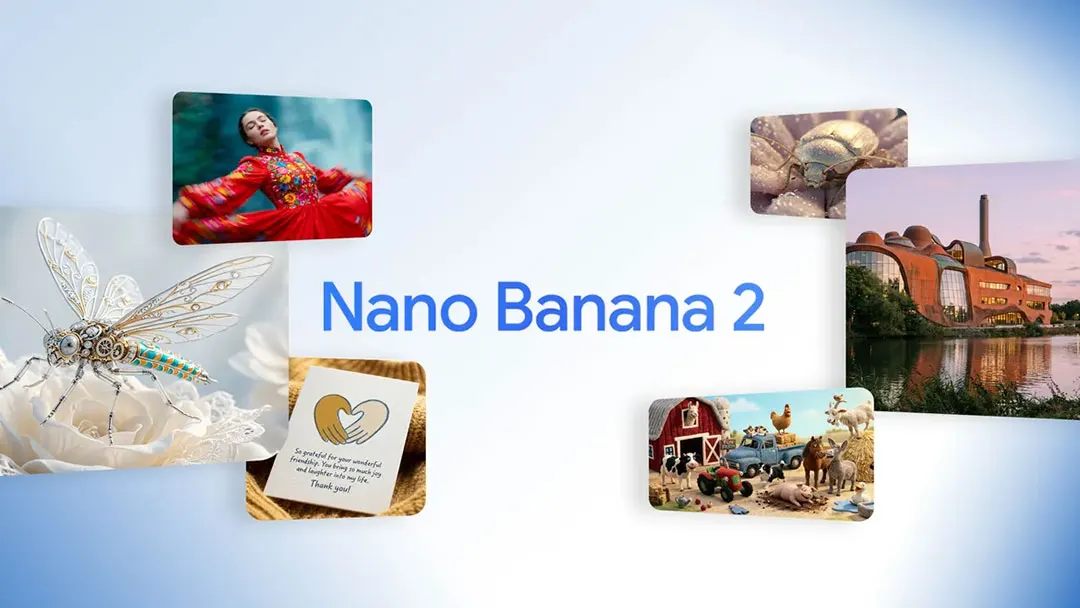
Getting light, composition and camera language right in Gemini-based image generation: prompt structure, technical terms and re-generation strategies for near-realistic results, all in one guide.

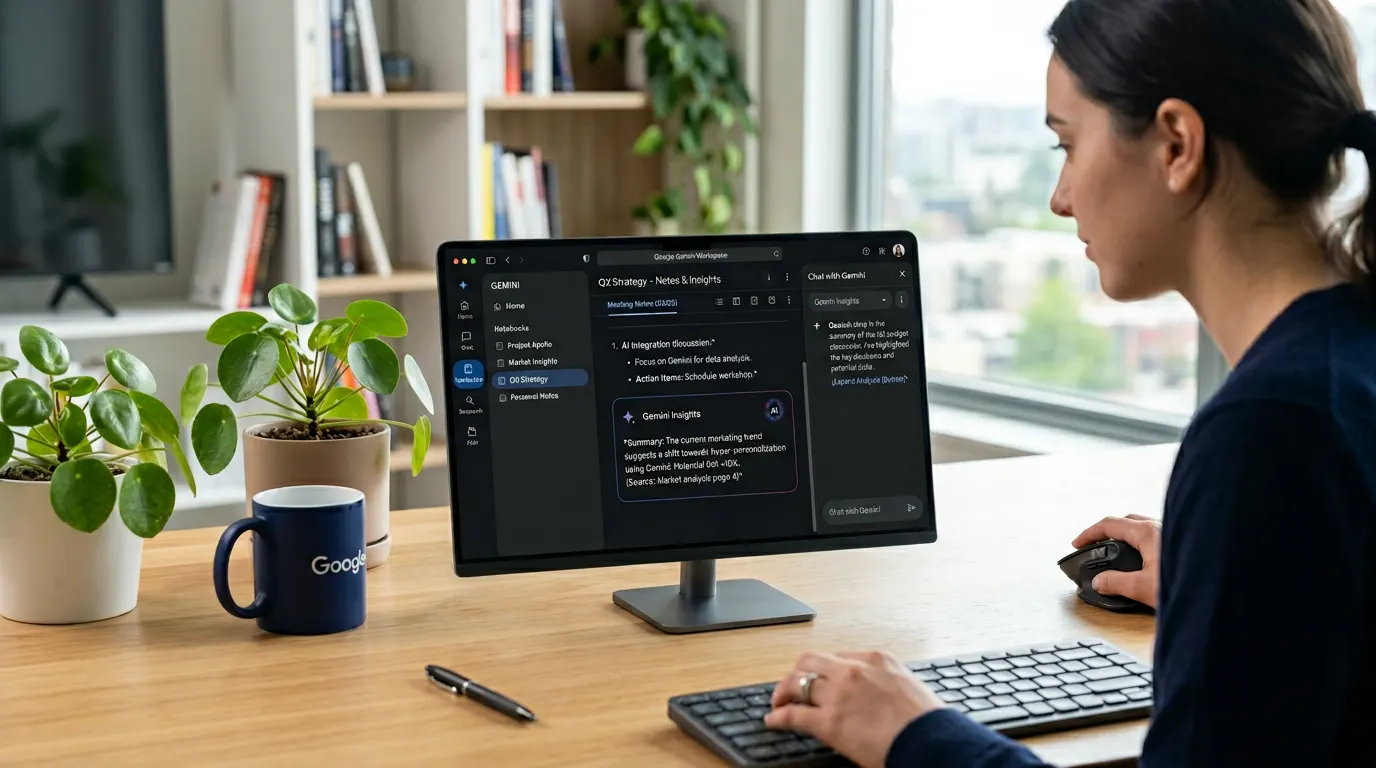
With the new 'Notebooks' feature that comes with NotebookLM integration, Google's AI assistant Gemini offers its users a much more organized and efficient workspace.

Anthropic's next-generation AI model Mythos uncovered, under Project Glasswing, thousands of security vulnerabilities that had gone unnoticed for years in major software systems. Offered with limited access, the model is shaping the future of cybersecurity while also raising serious ethical concerns.

The Pentagon's attempt to blacklist Anthropic had an unexpected result: the UK is making official offers for the company to expand its presence in London and even pursue a dual stock listing. AI is no longer a competition between companies but between countries.

ByteDance has integrated its next-generation AI video model Dreamina Seedance 2.0 into the popular video editing app CapCut. With realistic lighting, motion and audio synchronization, a new era begins in video production.

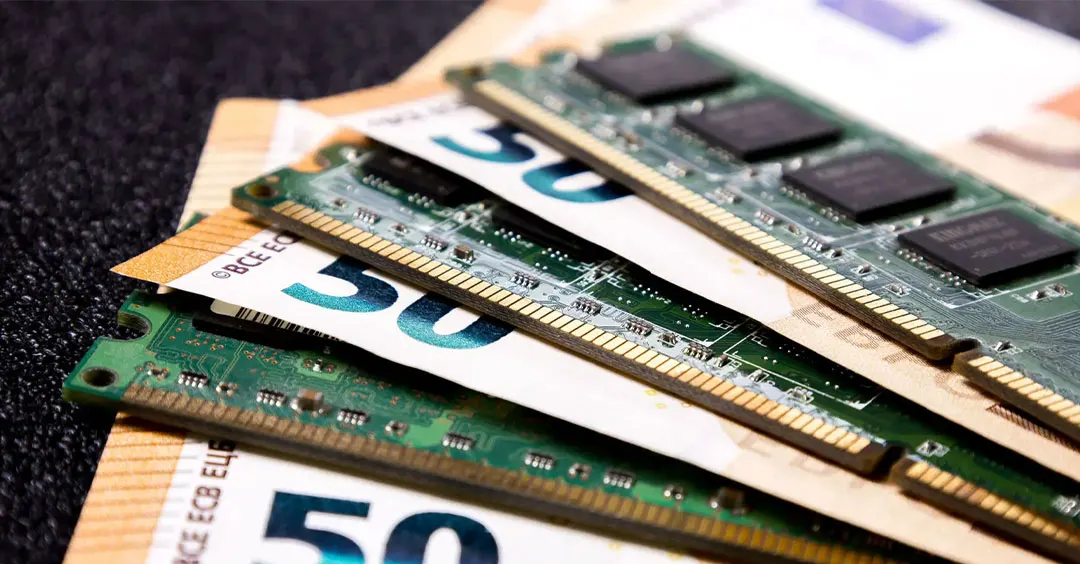
Google's new TurboQuant technology, which cuts memory consumption in AI systems, has sent shockwaves through the hardware market. We lift the veil on the secret behind the sudden drop in DDR5 RAM prices.

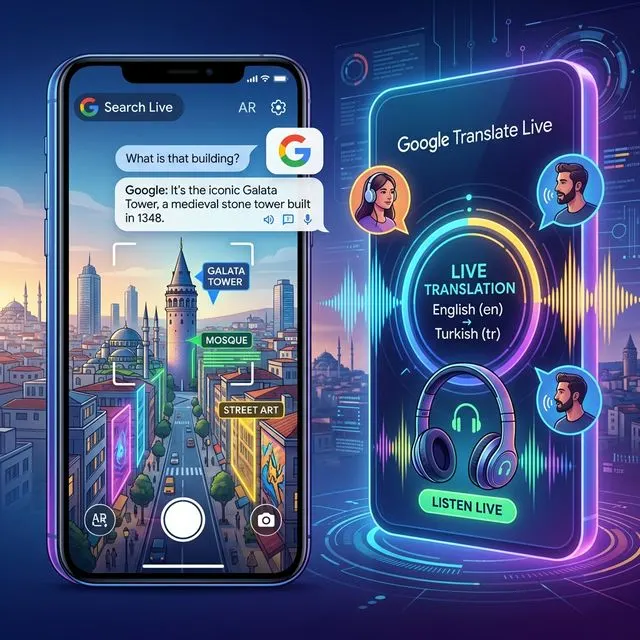
Google has rolled out Search Live, its AI-powered voice and visual search feature, globally. Powered by the Gemini 3.1 Flash Live model, the feature is now available in all supported regions, including Turkey. In addition, Google Translate's Live Translate feature has come to iOS.

SEO began in the mid-1990s and has been reinvented many times since. This overview walks through the eras that defined it, from directories and link schemes to quality crackdowns, mobile-first indexing and machine learning, and what they reveal about where search is heading.

Amazon Web Services is opening a new chapter in AI infrastructure by putting more than 1 million Nvidia GPUs into service. Equipped with the Blackwell and Vera Rubin architectures, this massive deployment will be the cornerstone of AWS's $600 billion revenue target for 2036.

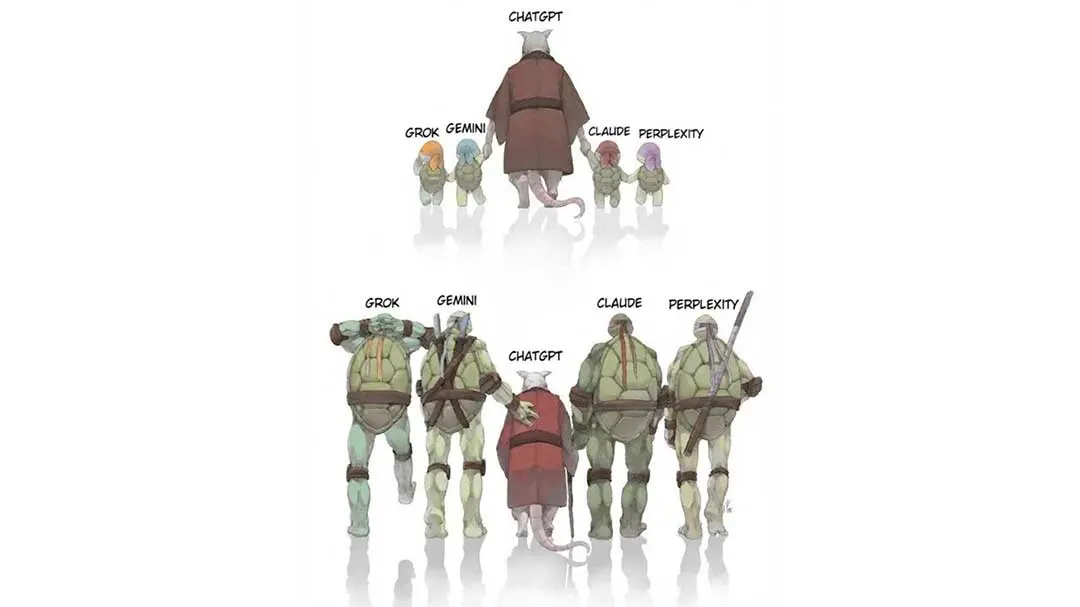
ChatGPT was the pioneer and led the way like Master Splinter. Now Grok, Gemini, Claude and Perplexity, which grew up in its shadow, have become giants. The fascinating evolution of the AI world through the Ninja Turtles metaphor.
194 articles about LLM, often together with AI, Technology, MCP. The newest one is "Anthropic Unveils Claude Fable 5.2 and Mythos 5.2: Frontier AI for Coding, Science, and Cybersecurity".