AI Image Generator & Seedream 5 Lite Studio
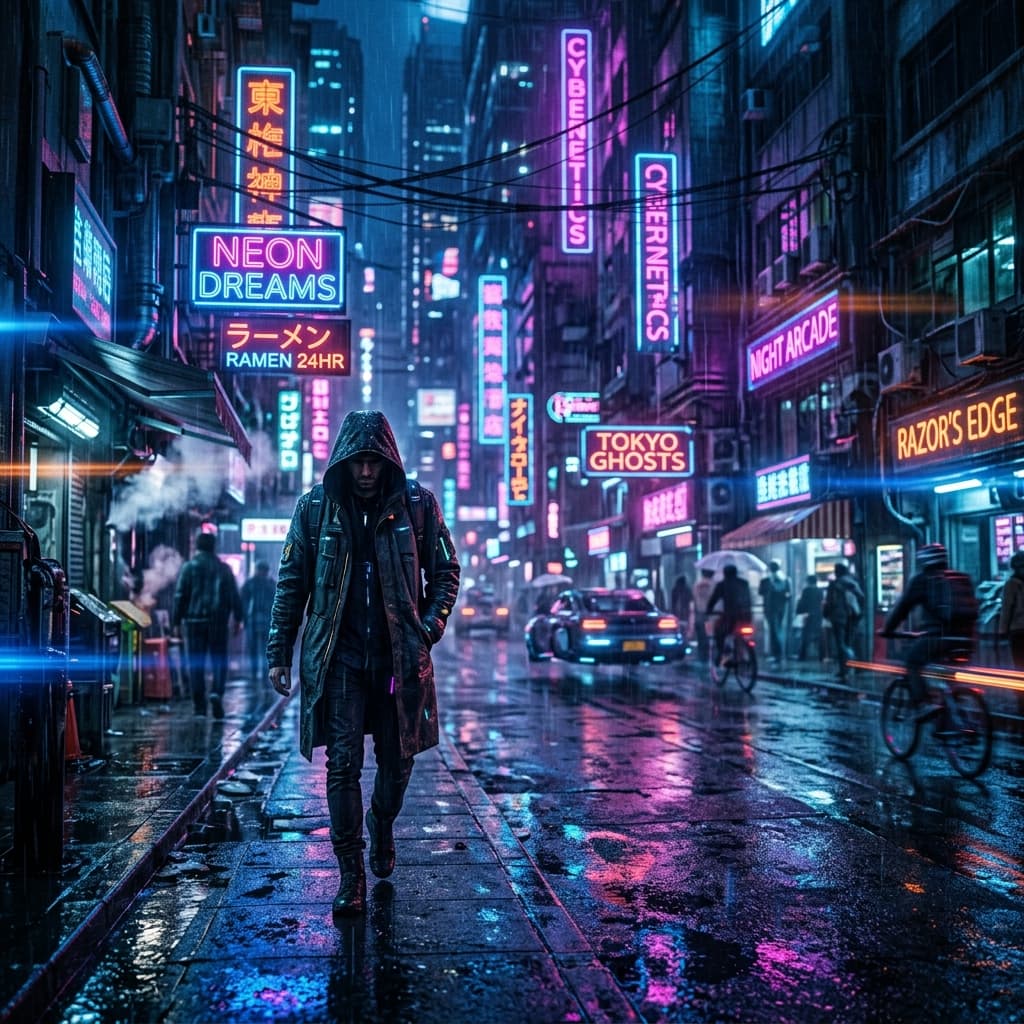
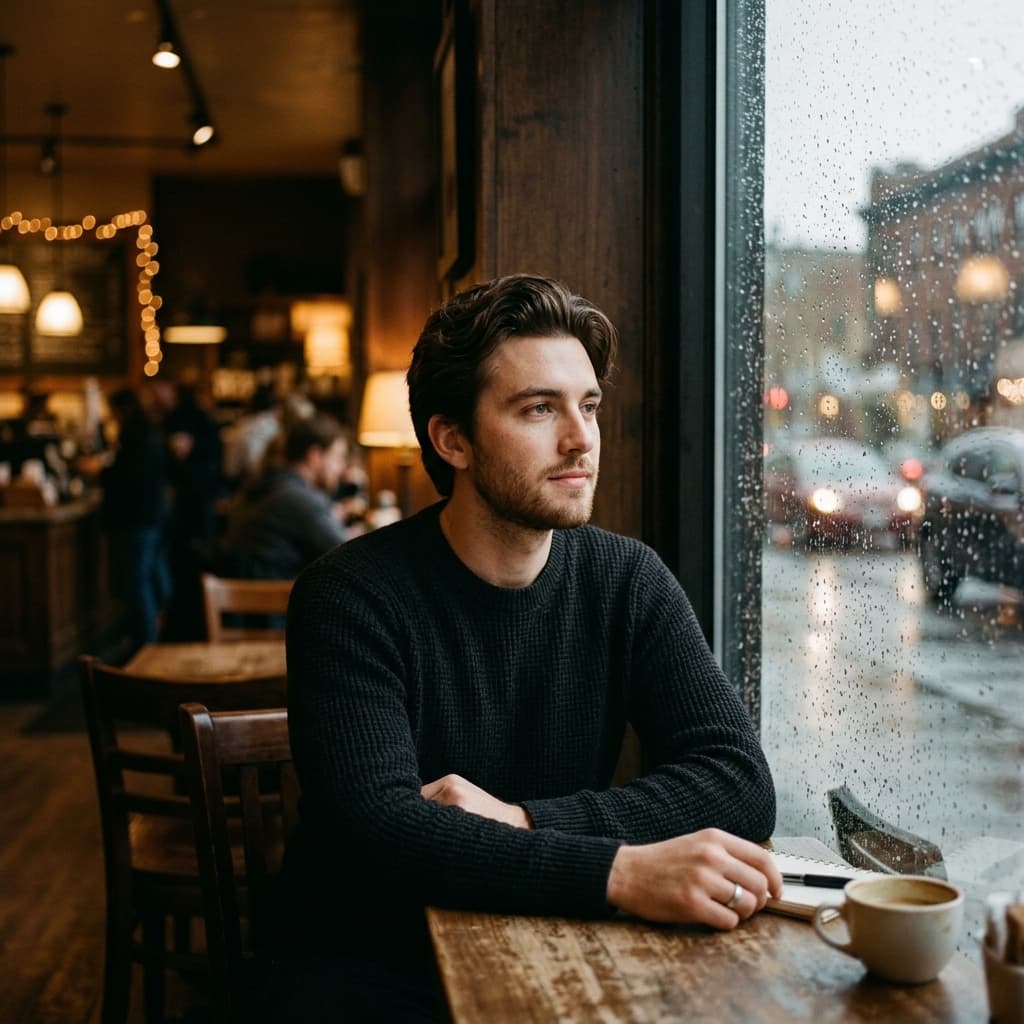
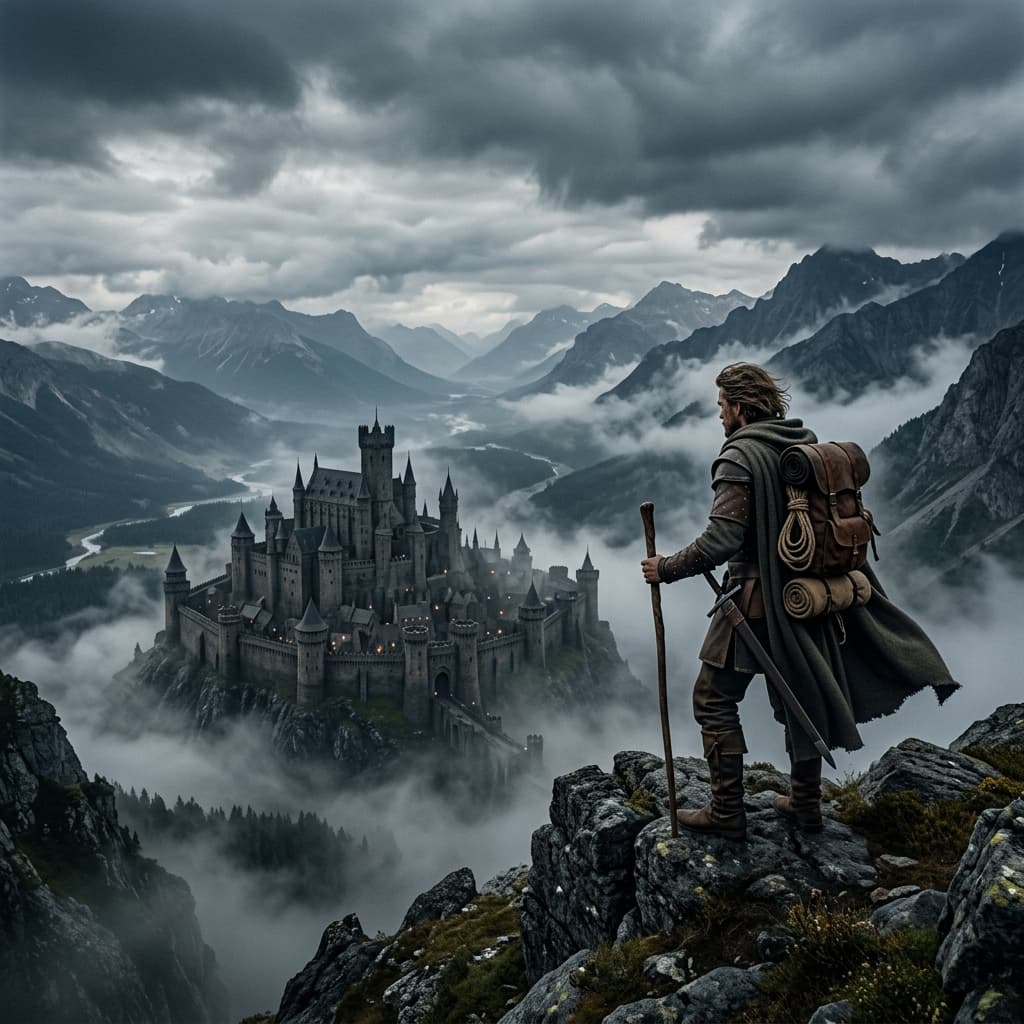
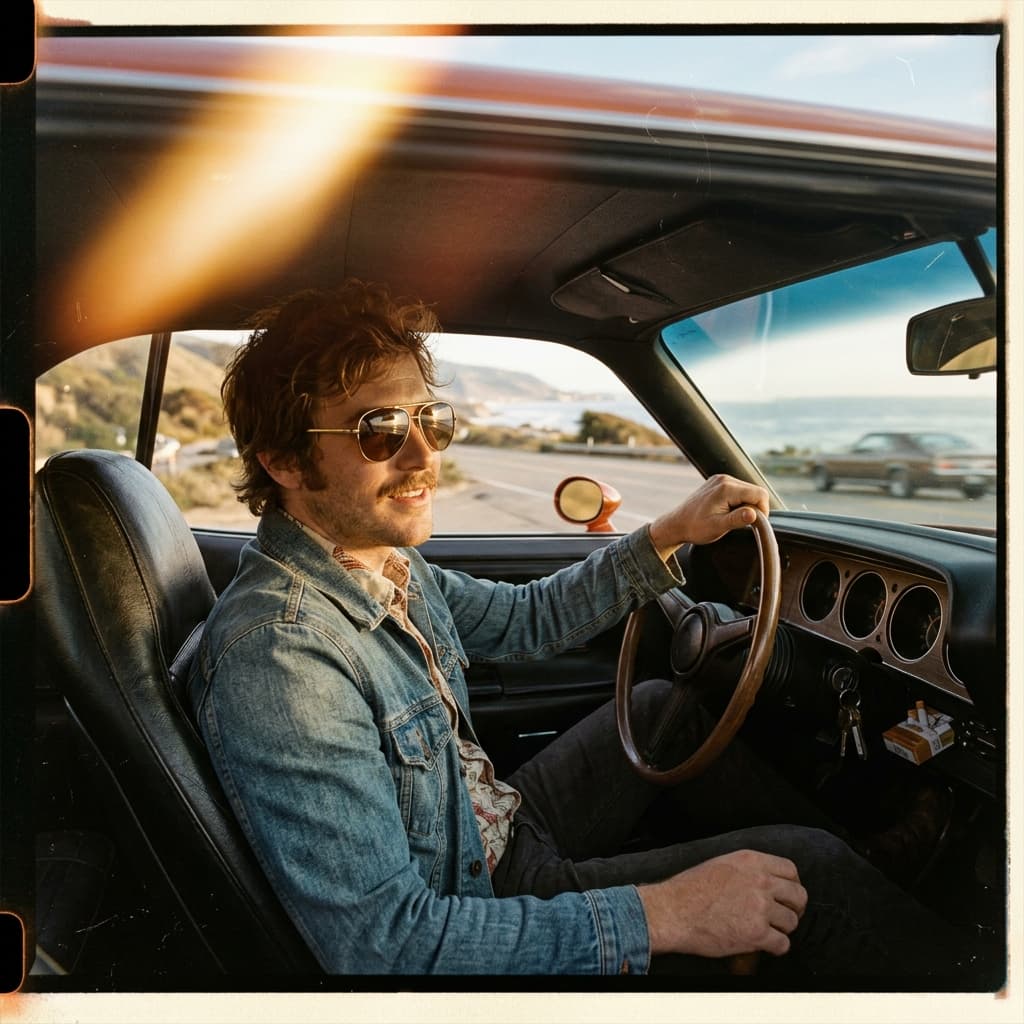
Create 16:9 cinematic, 2K-resolution photorealistic and 3D concept images from text with the ByteDance Seedream 5 Lite multimodal model.
About the AI Image Generator
The AI Image Generator is a tool that uses the ByteDance Seedream 5 Lite multimodal model to turn your text prompts into 16:9 cinematic, 2K high-resolution images. Its Chain-of-Thought (CoT) reasoning plans the composition and spatial relationships first, which gives high photorealism for blog covers, 3D interface concepts, presentations and social media content. The more you add a camera lens (85mm, 35mm), studio lighting, a color palette and an art style to your prompt, the better the image gets. To protect server resources, there is a quota of 1 free image per day. To get the most out of your prompt, try the AI Prompt Optimizer first.
Writing Better Image Prompts
Start with a short, clear sentence with a clear goal, then add qualifiers such as cinematic light, wide angle, high contrast or minimalist composition. A negative prompt (e.g. "not blurry, no text") reduces unwanted elements. Write the same idea in different words to get variations and pick the best result. Guides (in Turkish): ChatGPT realistic photo prompt guide, ChatGPT Images 2.0.
Limits and Downloads
When you reach the daily limit, you can generate again the next day. After a successful generation you can download the image in one click. To see which image model fits your price and quality needs, use the AI Model Comparison page. For a chat-based discussion about images, take a look at the AI Agent tool as well.
Blog · AI Art topics · FAQ