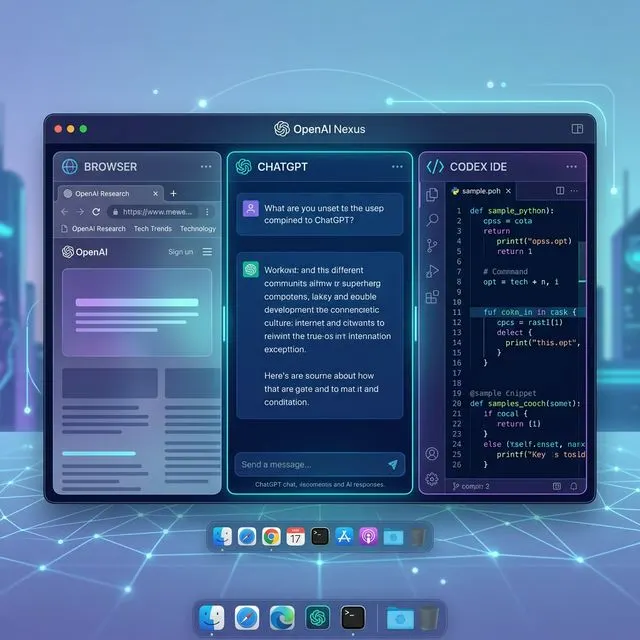
OpenAI Launches GPT-6.2 Astra and GPT-6.2 Sol Models Across ChatGPT and API
OpenAI introduced GPT-6.2 Astra for complex software engineering, 3D design, and scientific discovery alongside GPT-6.2 Sol for fast, cost-effective agentic workflows, featuring major token efficiency gains and Ultrafast inference.
The artificial intelligence landscape continues to shift away from monolithic, one-size-fits-all releases toward paired model families tailored for distinct computational and economic trade-offs. OpenAI has officially launched GPT-6.2 Astra and GPT-6.2 Sol, rolling out both models across ChatGPT Work, Codex, and the OpenAI API. Designed to work as a complementary duo, the GPT-6.2 lineup brings substantial improvements in output token efficiency, multi-step agentic software engineering, multi-source synthesis, and scientific computing.
According to OpenAI's technical specifications, both GPT-6.2 Astra and GPT-6.2 Sol solve complex tasks using significantly fewer output tokens than prior generations. This architectural refinement directly reduces operational API expenditures for enterprise teams while allowing Plus, Pro, Enterprise, and Edu subscribers to execute substantially more work before encountering subscription rate limits.
GPT-6.2 Astra: Flagship Reasoning, 3D Design, and Scientific Discovery
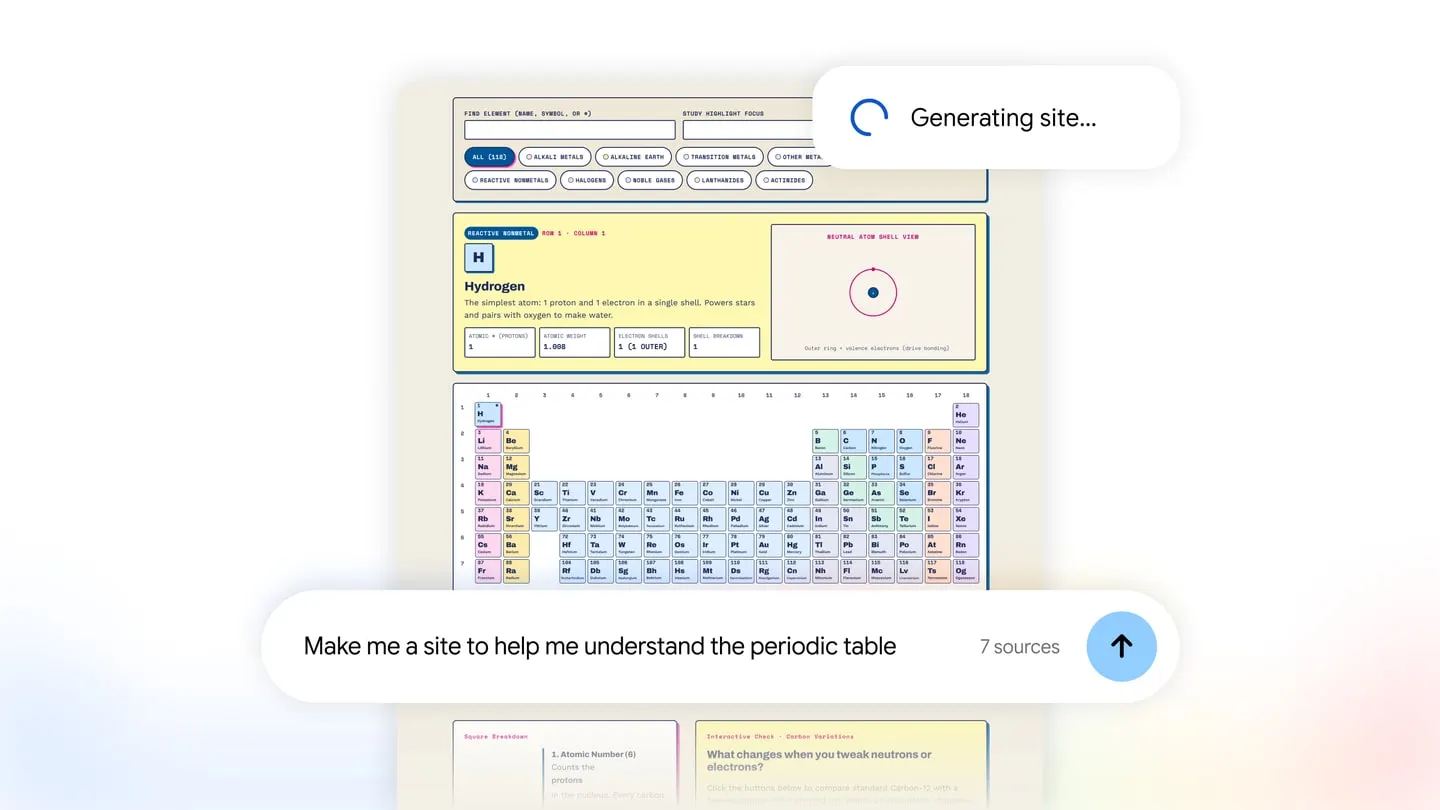
Positioned as the frontier flagship of the release, GPT-6.2 Astra is engineered for high-complexity reasoning, long-horizon professional workflows, multi-service software architectures, and rigorous scientific research. One of the model's standout advancements is its ability to inspect visual references, design templates, and interface screenshots with pixel-level fidelity, generating front-end implementations and layouts devoid of typical "AI-generated" visual artifacts.
When provided with a presentation slide deck, an intricate analytics wireframe, or a three-dimensional (3D) scene draft, GPT-6.2 Astra synthesizes production-grade Frontend code and interactive 3D environments that strictly adhere to the source aesthetic. Key benchmark milestones include:
* Scientific Computing and Terminal Execution: Astra established new industry records on Terminal-Bench-Science 0.1 and the Vals Science Index, which evaluate a model's capacity to interpret raw biological datasets and run simulated laboratory experiments. On GPQA Diamond (graduate-level scientific reasoning without external tools), Astra achieved an impressive 97% score. * Interactive 3D and Robotics Planning: Independent evaluations place GPT-6.2 Astra at the top of the leaderboard for generating interactive three-dimensional experiences (AA-3D) and physical task planning (AA-Robotics v0.1). * Long-Horizon Agentic Workflows: On Agents' Last Exam, a benchmark measuring complex multi-step professional execution, Astra outperformed its predecessors by a wide margin while operating at a fraction of the total per-task compute cost.
GPT-6.2 Sol: High-Efficiency Intelligence for Daily Engineering and Writing
Not every engineering ticket or enterprise automation pipeline requires heavyweight flagship compute. OpenAI developed GPT-6.2 Sol as a nimble, versatile workhorse optimized for daily software development, natural prose generation, Pull Request (PR) reviews, and high-throughput agentic execution. Despite its lightweight footprint, Sol trails remarkably close to Astra on demanding reasoning evaluations.
Scoring 96% on GPQA Diamond, GPT-6.2 Sol delivers near-flagship analytical capability at one-fourth the input and output token cost of Astra. In content and documentation tasks, Sol eliminates repetitive, formulaic phrasing in favor of clean, natural writing, making it an ideal backbone for automated code review agents, technical documentation pipelines, and customer-facing enterprise assistants.
Codex Integration and Expanded Ultrafast Inference Mode
Within the Codex desktop application and command-line interface (CLI), software engineers can seamlessly switch between both models using the /model command. Teams can route deep cross-repository debugging, architectural refactoring, and end-to-end test execution to GPT-6.2 Astra, while delegating rapid pull-request inspections and iterative code edits to GPT-6.2 Sol.
OpenAI Introduces GPT-6.1 Sol: What It Does and How Powerful It Is
ChatGPT Pro Max Is Coming: It Could Cost $500 a Month
Alongside the model release, OpenAI expanded its low-latency Ultrafast inference tier for real-time agentic responsiveness:
* ChatGPT Pro Tiers: Pro 500 subscribers gain native Ultrafast access across both GPT-6.2 Astra and GPT-6.2 Sol, whereas Pro 200 subscribers can utilize Ultrafast speeds starting with GPT-6.2 Sol. * API Ultrafast Tier: Developers building latency-sensitive voice or coding agents can invoke the Ultrafast API tier at three times the standard token rate, complete with US data residency support at launch.
Impact on the Developer Ecosystem and Multi-Agent Orchestration
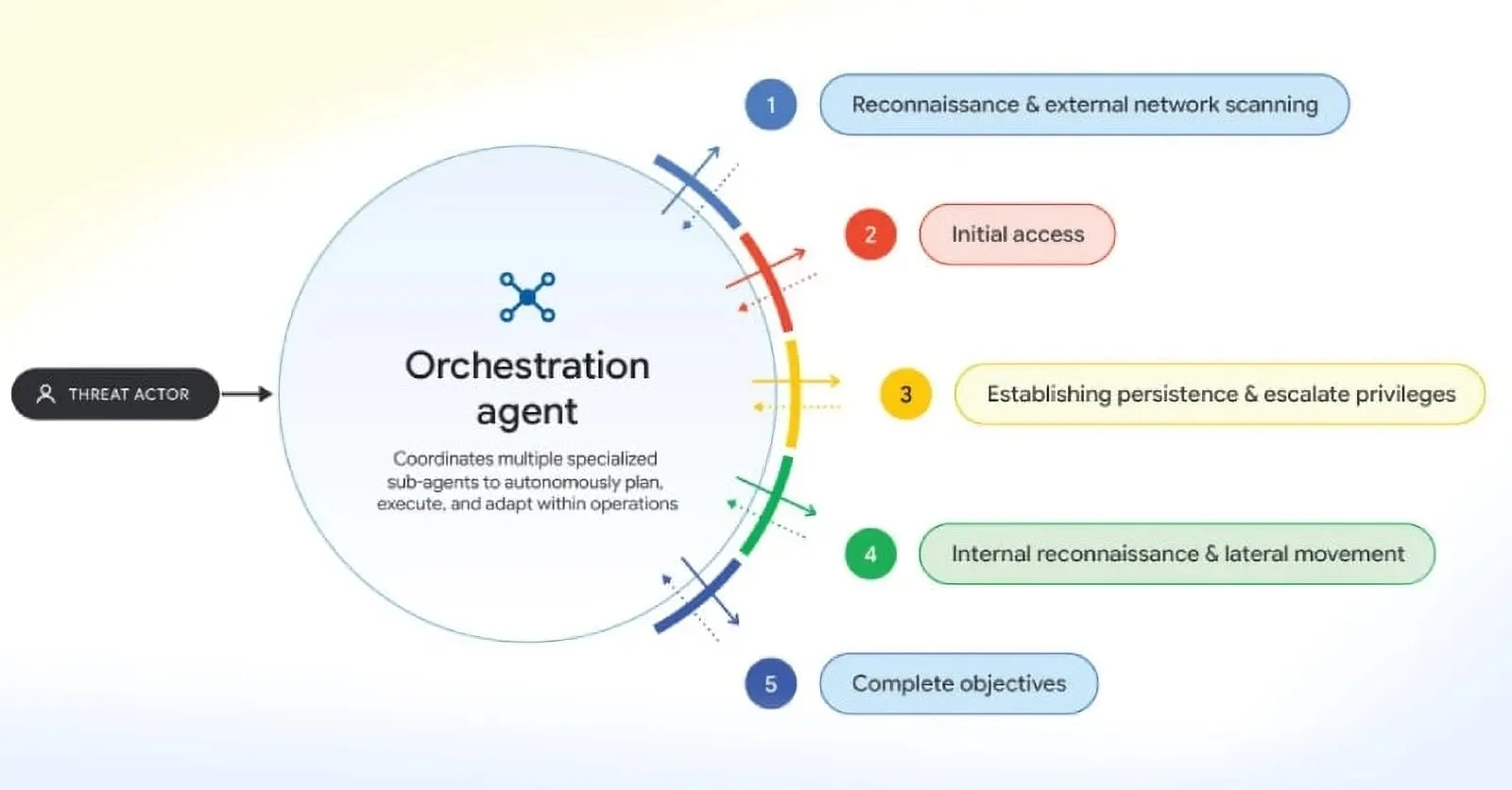
Providing two complementary models within the same architectural family unlocks significant efficiencies for multi-agent software engineering pipelines. In a hierarchical agent setup, GPT-6.2 Astra can act as the lead architect—decomposing system-wide requirements, resolving complex concurrency bugs, and validating security constraints—while parallel worker instances powered by GPT-6.2 Sol handle unit test generation, documentation updates, and routine code transformations. This hybrid orchestration pattern allows engineering organizations to scale autonomous coding workflows without compromising either reasoning depth or operational budgets.
API Pricing Structure and Aggressive Context Caching Discounts
To accelerate the adoption of long-running agentic loops, OpenAI reduced flagship input pricing by 20% compared to its predecessor and introduced steep discounts for cached context tokens:
* GPT-6.2 Astra (gpt-6.2-astra): Priced at \$8.00 per million input tokens, \$0.40 per million cached input tokens (a 60% reduction for multi-turn agent memory), and \$40.00 per million output tokens.
* GPT-6.2 Sol (gpt-6.2-sol): Priced at \$2.00 per million input tokens, \$0.10 per million cached input tokens, and \$10.00 per million output tokens.
Furthermore, asynchronous background and batch workloads qualify for a 30% discount on a 2-hour completion window or a 40% discount on an 8-hour completion window, while regional data residency compliance carries a standard 10% uplift.
Enterprise Adoption and Strategic Outlook
Rolling out simultaneously across ChatGPT Work, Codex, and the API, the GPT-6.2 generation accelerates the transition from conversational assistants to autonomous engineering and scientific research partners. By substantially reducing the number of output tokens required to solve complex problems, OpenAI enables both independent developers and global enterprises to accomplish more within existing rate limits and compute budgets. Together, GPT-6.2 Astra and GPT-6.2 Sol set a new benchmark for balancing frontier intelligence with predictable, scalable unit economics.
This week’s posts, in your inbox every Monday
A short summary of the posts published that week on AI, Claude Code, MCP and web development. No new posts, no email.
- One email a week
- No ads
- One-click unsubscribe