ChatGPT Can Now Shop for You: OpenAI Introduces ChatGPT Wallet
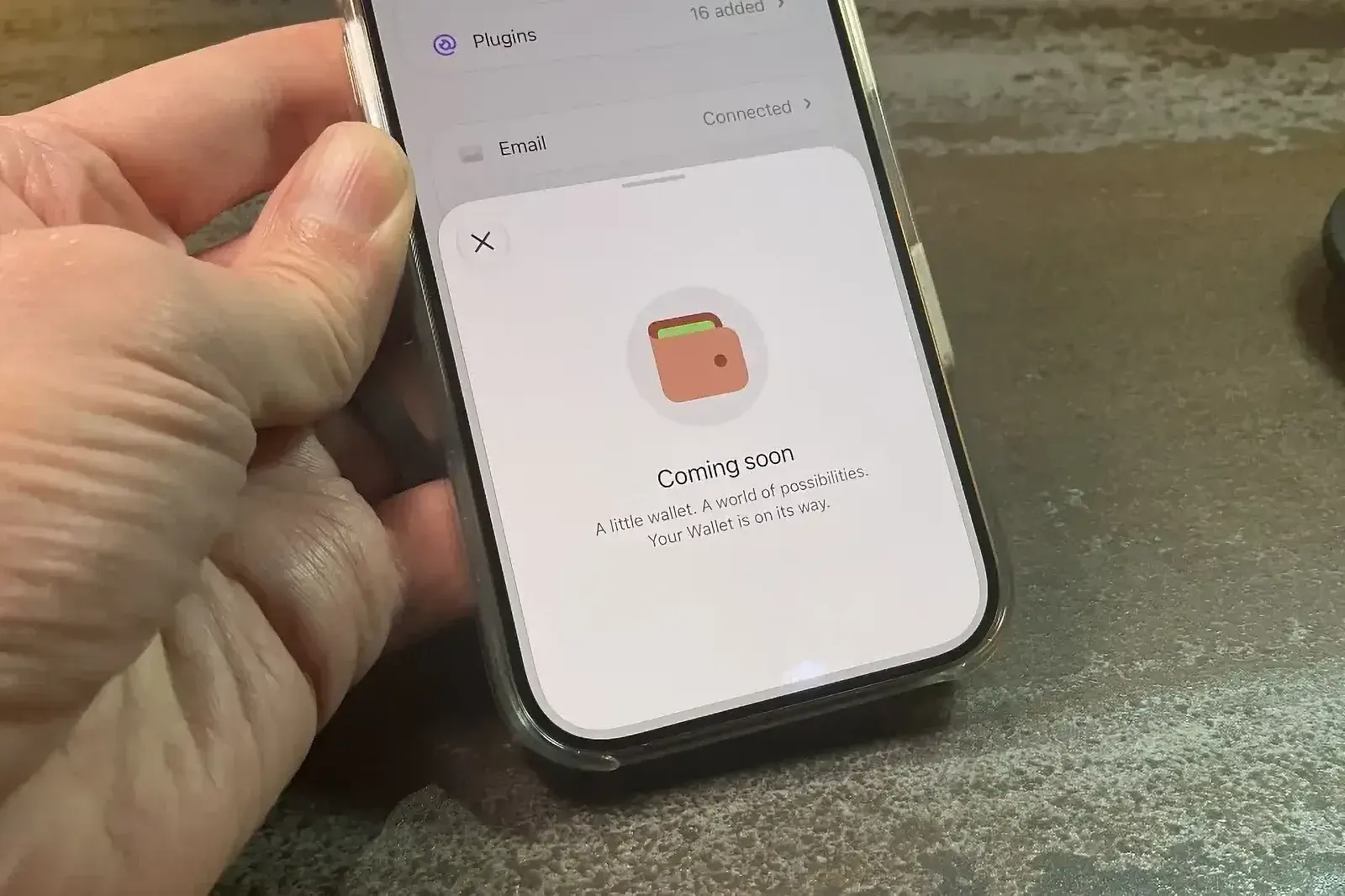
Built with Visa, Mastercard, and American Express, OpenAI's ChatGPT Wallet brings secure tokenized payments and biometric approval to agentic online shopping.
AI assistants have long been able to recommend products, compare prices, and send users off to external storefronts. Yet the moment a user decides to buy, the experience has always broken down into juggling browser tabs and typing payment details manually. OpenAI is moving to close that gap with the official introduction of ChatGPT Wallet, placing AI agents directly inside the online checkout flow.
Designed around OpenAI's autonomous "dots" agents, the new feature allows ChatGPT to move beyond product discovery and handle the entire purchase preparation process on a user's behalf. In doing so, conversational AI evolves from a passive research tool into an end-to-end digital shopping companion.
How ChatGPT Wallet Works
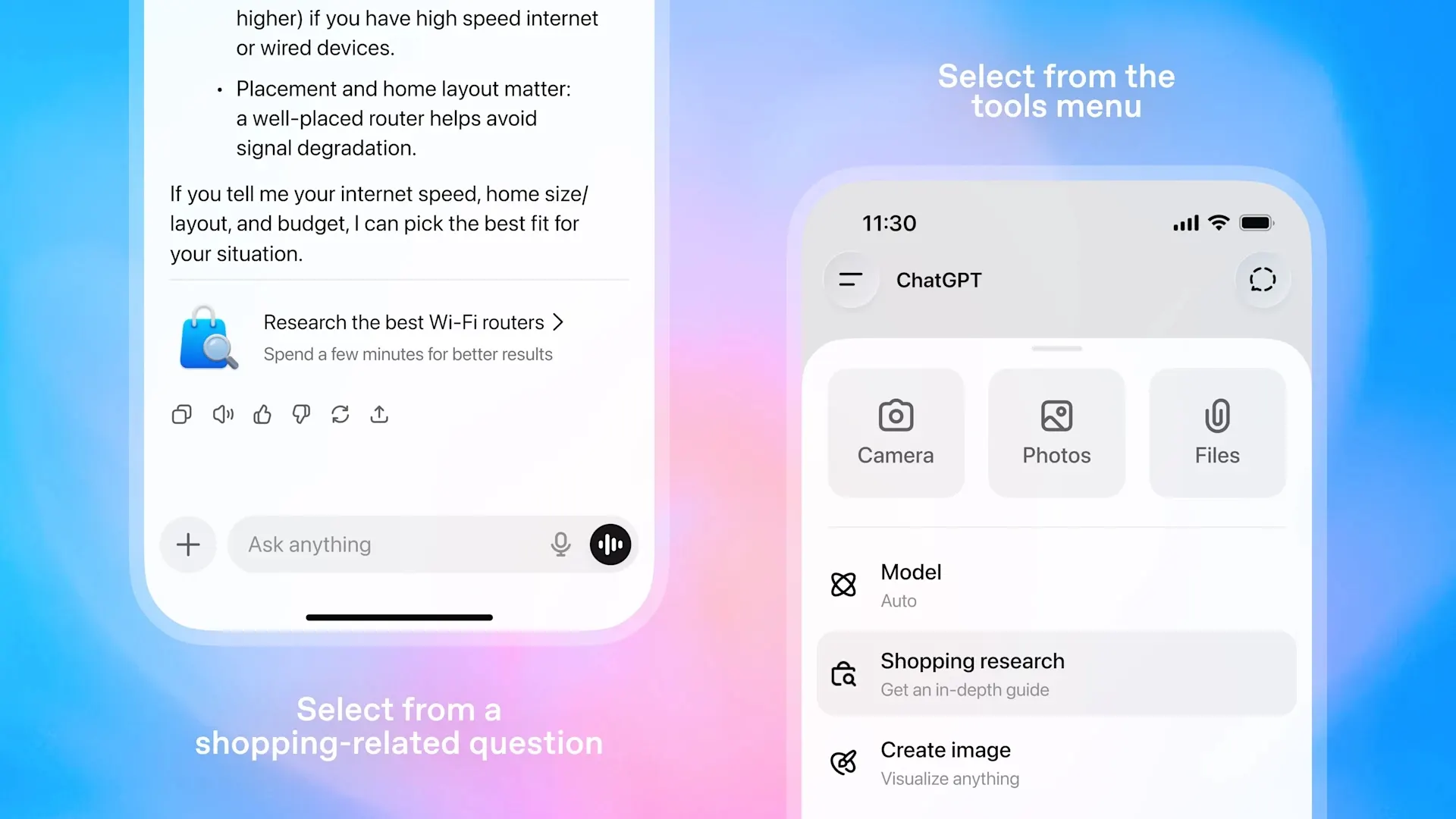
ChatGPT Wallet aims to streamline everything from everyday retail purchases to complex travel bookings within a single interface. When a user asks an agent to find a specific item, compare hardware specifications, or book a hotel for an upcoming trip, the agent locates matching options and prepares the checkout session automatically.
Rather than permitting unsupervised autonomous spending, OpenAI enforces a strict human-in-the-loop checkout model. Once the agent assembles the cart and summarizes the order, control returns to the user. No payment is ever processed until the user explicitly reviews the items, total cost, and selected card, and then authorizes the transaction.
Tokenization and Biometric Security Architecture
Entrusting financial credentials to an AI system naturally raises serious privacy and security questions. OpenAI addresses these concerns by ensuring that neither the AI model nor third-party merchants ever access a user's actual card details. Developed in partnership with American Express, Mastercard, and Visa, ChatGPT Wallet relies on network-level payment tokenization.
The security architecture rests on three core safeguards:
- Zero Raw Card Exposure: Your real credit or debit card number is never shared with the merchant or exposed to the AI agent.
- Transaction-Specific Tokens: Upon approval, the card network issues a single-use or transaction-scoped payment token—complete with a substitute card number, expiration date, and security code—to settle the order.
- Mandatory Biometric Check: Every single purchase requires device-level biometric authentication, such as Face ID, Touch ID, or fingerprint verification, before the token is released.
Even if a merchant experiences a data breach later on, the underlying card account remains isolated and protected.

OpenAI Introduces Its AI Agent Dots: What It Does and How It Works
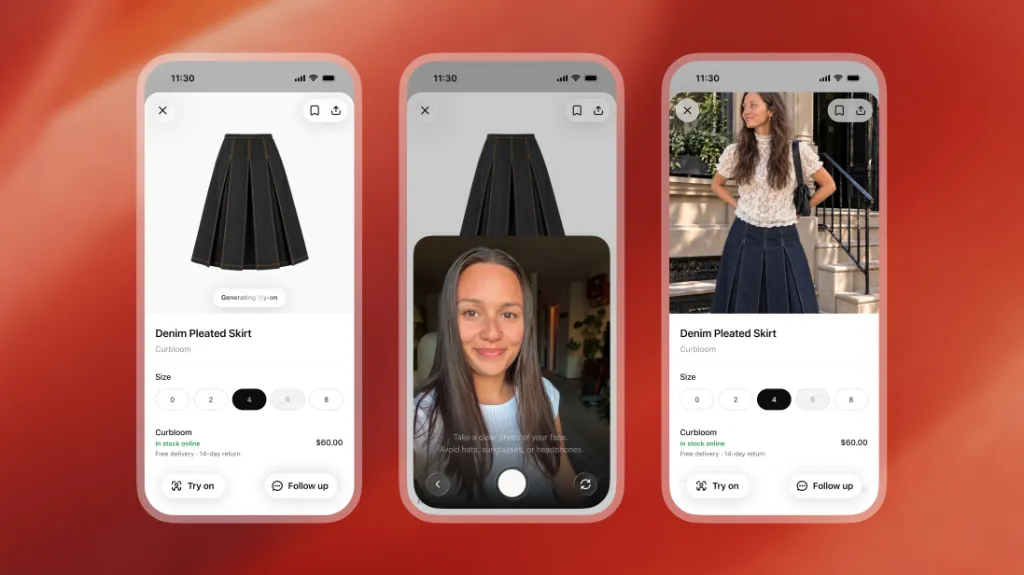
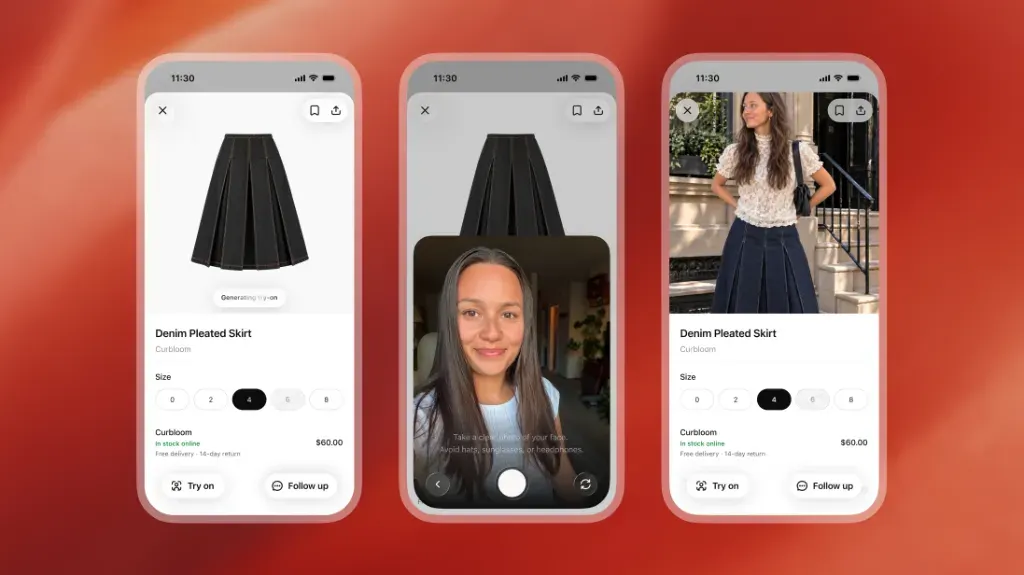
The Era of Virtual Try-On with ChatGPT: New Shopping and Favorites Features Announced
Payment Infrastructure and Merchant Ecosystem
One of the biggest technical hurdles for AI-driven shopping is that conventional anti-fraud and bot-mitigation engines often block automated agent traffic at checkout. To prevent legitimate purchases from being flagged as malicious bots, OpenAI is building shared standards across the broader payments ecosystem.
Alongside the launch, OpenAI published a Commerce Partner Playbook and partnered with major payment processors and fraud-prevention providers—including Stripe, Adyen, Checkout.com, Forter, Riskified, Sardine, and Signifyd. These integrations help merchant checkout systems accurately distinguish authorized ChatGPT agent transactions from abusive automated traffic.
Availability and Rollout Scope
ChatGPT Wallet is launching under a measured rollout schedule. At initial release, eligibility is limited to adult ChatGPT Pro subscribers in the United States using supported U.S.-issued debit or credit cards. Broader availability across additional subscription tiers and international markets is expected to follow as regional card-network rules and merchant integrations expand.
What This Means for Agentic Commerce
The arrival of ChatGPT Wallet marks a major milestone in the fast-developing race around agentic commerce. As the boundaries between search engines, browsers, and digital wallets continue to blur, delegating product research to an AI agent and confirming the checkout with a quick biometric scan could soon become standard consumer behavior. Pairing seamless automation with strict tokenization and mandatory biometric approval gives OpenAI a compelling foundation to drive mainstream adoption.
This week’s posts, in your inbox every Monday
A short summary of the posts published that week on AI, Claude Code, MCP and web development. No new posts, no email.
- One email a week
- No ads
- One-click unsubscribe