Tougher U.S. Curbs on AI Chip Exports to China Loom After Nvidia Leadership Shakeup
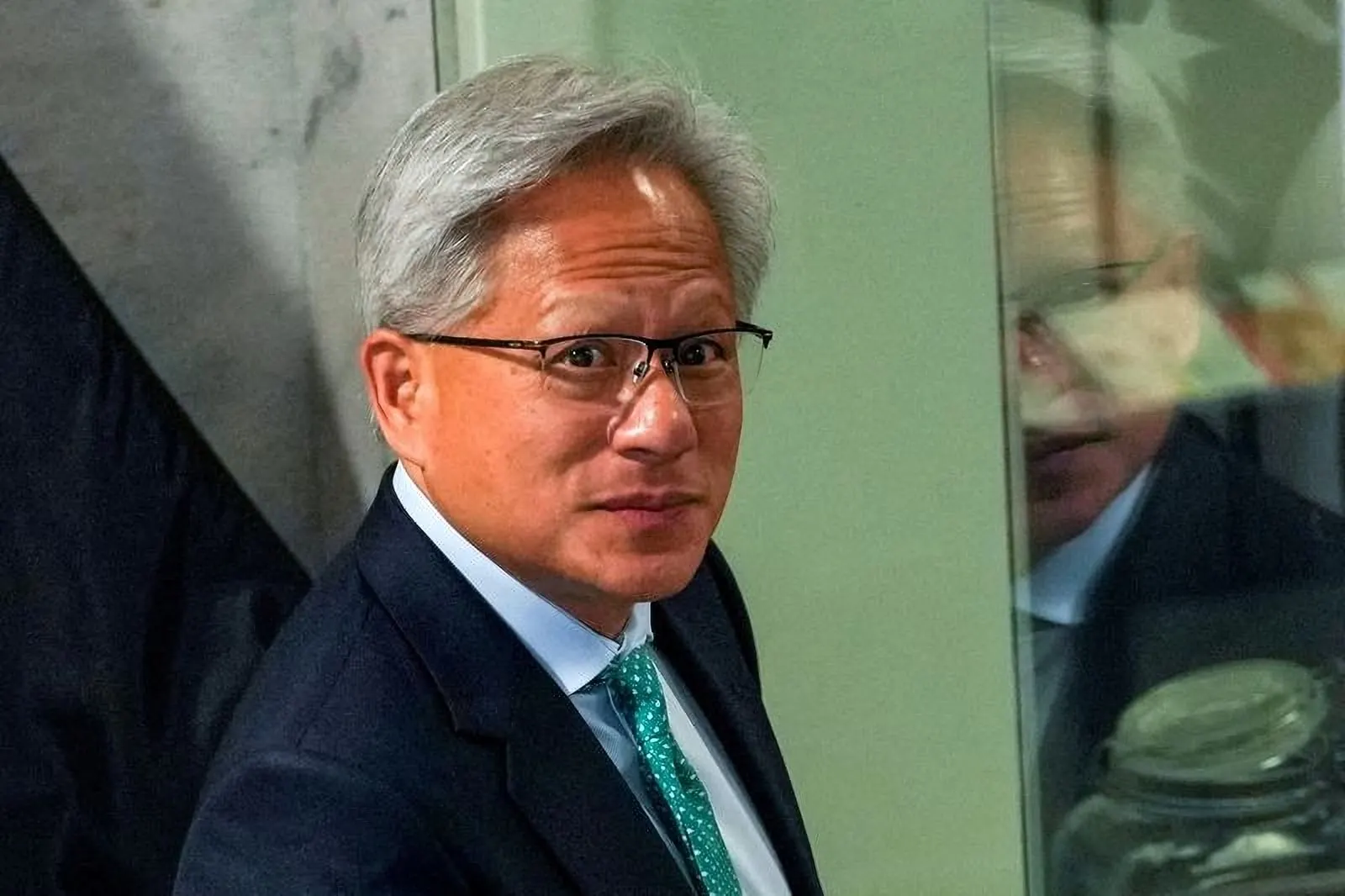
Following Jensen Huang's departure from Nvidia, bipartisan U.S. lawmakers are advancing bills like RASA and the Chip Security Act to tighten AI chip and cloud access curbs on China.
Global semiconductor trade policy is entering a far more restrictive phase as national security scrutiny intensifies in Washington. According to a Reuters explainer published via Yahoo Finance, lawmakers from both major U.S. political parties are mounting a renewed push for aggressive curbs on China's access to advanced artificial intelligence chips. The legislative momentum follows intense political fallout surrounding former Nvidia CEO Jensen Huang, who stepped down as chief executive and board member amid mounting controversy.
The Nvidia Leadership Shakeup and Its Fallout
The catalyst for the latest congressional push stems from scrutiny over Huang's personal relationship with Alice Huang, a former executive at Singapore-based tech and cloud firm Megaspeed. While Beijing dismissed espionage allegations as baseless, U.S. officials alleged the executive had ties to Chinese intelligence. Following a board-led review, Jensen Huang's departure abruptly placed Nvidia's compliance framework, global footprint, and strategic role in U.S. national security under an unforgiving spotlight.
For lawmakers already skeptical of existing export guardrails, the leadership shakeup became a rallying point to demand tighter oversight of how frontier American silicon moves across international borders.
Bipartisan Momentum Behind Tougher Legislation
On Capitol Hill, leaders across both parties argue that the controversy exposed dangerous loopholes in current Commerce Department export controls. As congressional committees prepare hearings to examine enforcement records, several targeted legislative proposals have gained significant traction:
- Remote Access Security Act (RASA): Designed to close non-physical loopholes by giving the Commerce Department explicit authority to regulate or block remote cloud access to restricted high-end AI chips operated overseas.
- AI Overwatch Act and Chip Security Act: Aimed at strengthening post-shipment verification, tamper-resistant tracking, and hardware-level security checks for advanced accelerators.
- Match Act: Focused on increasing transparency across third-country intermediaries and regional resellers in the global semiconductor supply chain.
With bipartisan consensus hardening against any softening of trade rules, the political environment in Washington strongly favors broader, stricter restrictions rather than incremental adjustments.
China's $3 Billion-Plus Pipeline of Nvidia-Powered AI Data Centers Revealed
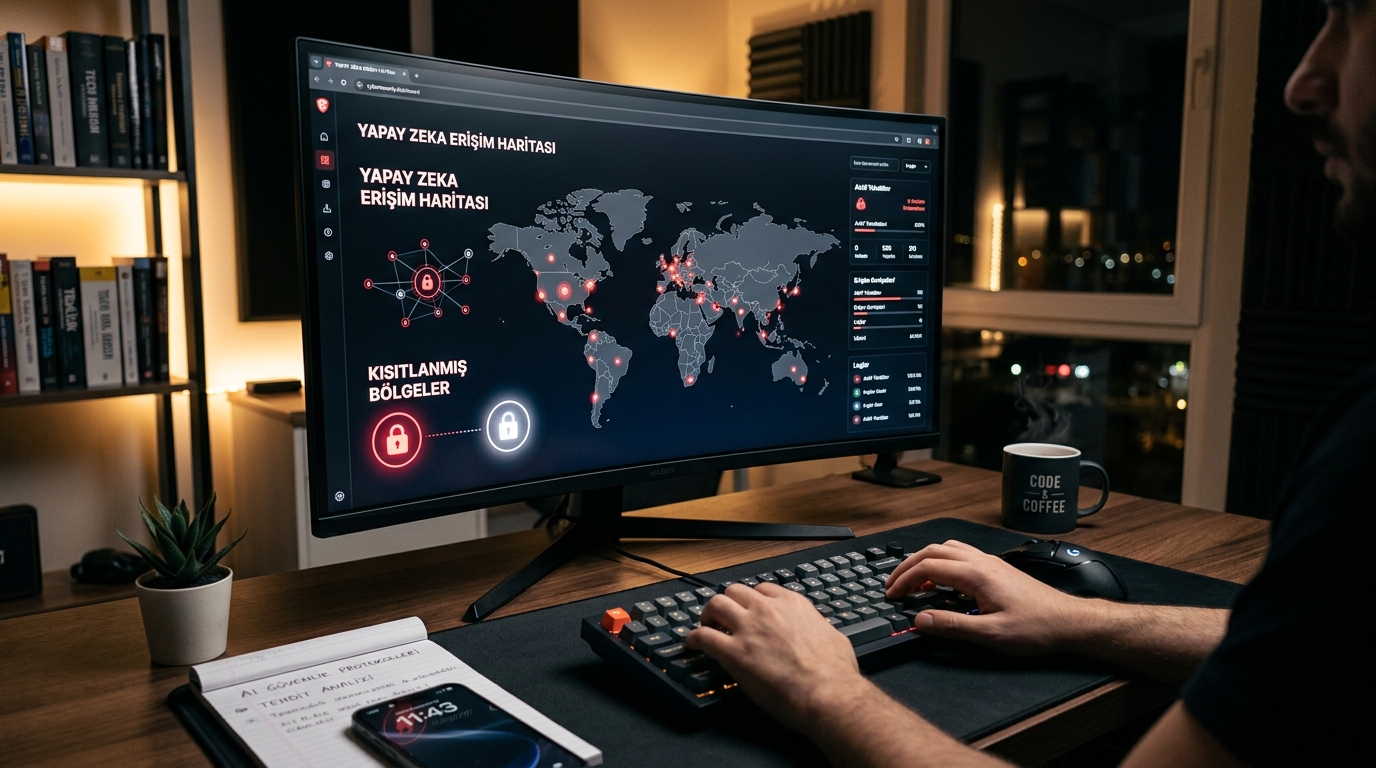
The Future of AI: Export Controls and Global Access Inequality
Targeting Remote Cloud Access and Regional Transit Hubs
Beyond physical smuggling or grey-market shipments, policymakers have zeroed in on overseas compute leasing. In recent months, Chinese AI developers and research labs have increasingly rented Nvidia-powered clusters located outside mainland China—particularly across Southeast Asia—to train and run frontier models without importing physical GPUs. Lawmakers contend that allowing unrestricted remote access undermines the core purpose of hardware bans.
At the same time, media investigations mapping multi-billion-dollar Chinese procurement pipelines referencing restricted Nvidia H100 and H200 processors have put intense pressure on regional trade hubs such as Singapore and Malaysia. Local trade ministries are facing growing expectations to audit server imports and verify that high-performance AI hardware is not being illicitly re-exported across borders.
Implications for Global AI Hardware and Cloud Markets
The combination of an executive transition at Nvidia and a more hawkish U.S. Congress introduces substantial uncertainty across the global AI infrastructure landscape. Chinese AI equities and technology firms have already experienced sharp market pressure over fears that both physical chip channels and offshore cloud compute could be sealed off simultaneously.
Over the coming months, as congressional committees advance new enforcement bills and compliance audits expand, hardware traceability, cloud-access licensing, and supply-chain governance will stand at the forefront of the global AI compute race.
This week’s posts, in your inbox every Monday
A short summary of the posts published that week on AI, Claude Code, MCP and web development. No new posts, no email.
- One email a week
- No ads
- One-click unsubscribe