China's $3 Billion-Plus Pipeline of Nvidia-Powered AI Data Centers Revealed
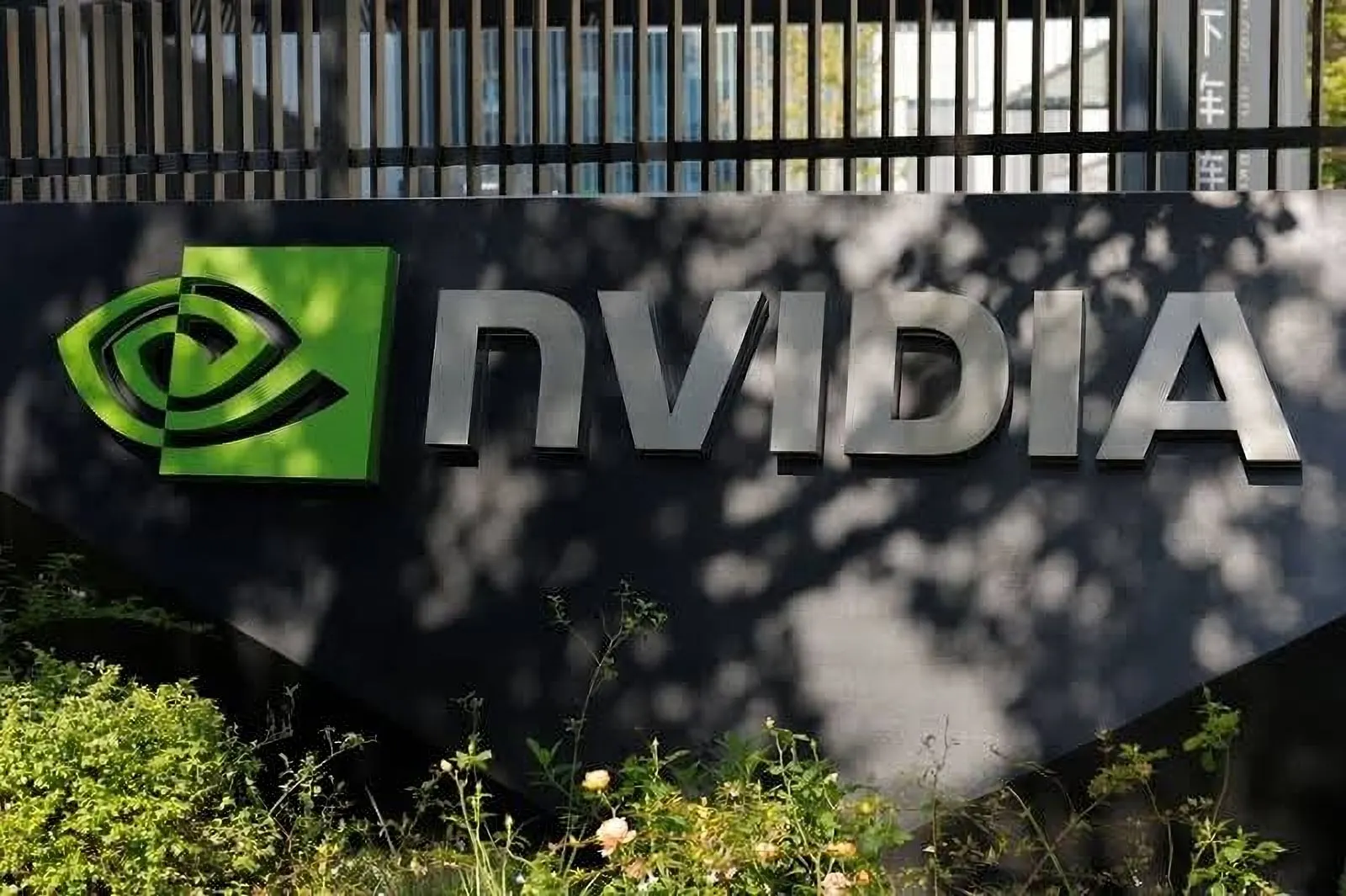
A Reuters investigation reveals over $3 billion in Chinese AI data center projects referencing restricted Nvidia H100, H200, and H800 chips despite U.S. export controls.
As U.S. semiconductor export controls remain at the center of global technological competition, a detailed investigation published by Reuters on November 13, 2026 has shed new light on China's domestic compute ambitions. Reviewing more than 150 procurement notices, investment plans, construction contracts, and corporate disclosures, the report uncovered a pipeline exceeding $3 billion (over 23 billion yuan) in Chinese AI data center projects explicitly designed around restricted Nvidia processors, including the H100, H200, and H800.
Mapping the $3 Billion Hardware Pipeline
The procurement filings and regional tender documents reviewed by Reuters reveal that multiple large-scale computing hubs across China continue to specify restricted Nvidia silicon in their technical blueprints. Key projects highlighted in the investigation include:
- Fujian Province (Xianyou County): A planned 6.2 billion yuan (roughly $873 million) AI computing center explicitly specifies Nvidia H100 accelerators in its project documentation.
- Shaanxi Province: A subsidiary of state-owned Sinomach won a 3 billion yuan computing center contract referencing both H100 and H200 processors.
- Gansu, Jilin, and Inner Mongolia: Multi-billion-yuan regional data hubs and university-backed initiatives pair domestic chip alternatives alongside clusters built on Nvidia architecture.
Analysts emphasize that delivery status across this pipeline remains uneven. While certain clusters are already operating or relying on indirect workarounds, other developments face deep uncertainty over whether physical GPUs can successfully clear tightening regulatory and customs barriers.
Official Corporate Disclosures vs. Ground Reality
Nvidia has previously stated that U.S. export controls have effectively shut the company out of China's direct data center market, pushing its direct data-center revenue in the country close to zero. Yet the sheer volume of public tenders and construction disclosures indicates that Chinese infrastructure builders continue to anchor their AI cluster designs around Nvidia's hardware and software stack.
A major driver behind this persistence is software inertia. Training frontier large language models (LLMs) and running high-throughput enterprise inference workloads remain heavily optimized for Nvidia's CUDA ecosystem. Even as domestic Chinese chipmakers expand production, migration friction and performance gaps keep demand for restricted Nvidia silicon elevated.

Tougher U.S. Curbs on AI Chip Exports to China Loom After Nvidia Leadership Shakeup

Amazon AWS Races Toward a $600 Billion Target with 1 Million Nvidia GPUs
The Divide Between H200 Channels and Blackwell Bans
Recent regulatory shifts have created a sharp boundary between different generations of Nvidia hardware. While Hopper-based H200 shipments have encountered case-by-case licensing reviews under strict conditions, practical friction remains substantial. Reports indicate that sizable stockpiles of H200 processors have accumulated in transit hubs such as Hong Kong while mainland authorities tightly manage official large-scale imports.
By contrast, Nvidia's next-generation Blackwell architecture—including the B200 and newer systems—remains strictly off-limits to mainland Chinese buyers under U.S. export restrictions. Even so, technical forensics tracking frontier open-weights models continue to fuel intense debate in Washington over how advanced compute capabilities intersect with Chinese AI development through indirect channels.
Compliance Pressures and Operational Risks
The $3 billion-plus pipeline underscores an ongoing enforcement dilemma for policymakers and a high-stakes operational gamble for Chinese data center operators. Although builders explore avenues ranging from overseas cloud leasing and remote-access clusters to grey-market intermediaries, reliance on restricted silicon leaves projects vulnerable to sudden supply bottlenecks, tighter remote-access enforcement, and maintenance constraints.
As Washington weighs stricter supply-chain auditing and compliance mechanisms, the pace at which Chinese AI laboratories can transition workloads onto domestic accelerators will be one of the defining metrics of the global compute race.
This week’s posts, in your inbox every Monday
A short summary of the posts published that week on AI, Claude Code, MCP and web development. No new posts, no email.
- One email a week
- No ads
- One-click unsubscribe