European Commission Hit by Cyberattack Using AI-Powered ARTEX Pentesting Tool

A major cyberattack disrupted European Commission internal platforms including Sysper and MyPMO for roughly 10 days, with CERT-EU confirming attackers weaponized the open-source AI pentesting tool ARTEX.
The weaponization of AI-driven security software has moved directly into the heart of European governance following a major cyberattack against the European Commission. Disclosures in November 2026 revealed that the EU executive body's internal administrative and staff platforms suffered severe disruptions lasting approximately 10 days. According to CERT-EU, the Computer Emergency Response Team for EU institutions, the threat actors deployed ARTEX, an open-source, LLM-driven autonomous penetration-testing framework.
The incident has rattled both enterprise defenders and government IT leaders, illustrating how quickly dual-use AI security frameworks built for defensive testing can be repurposed by attackers to scan, map, and exploit real-world infrastructure at machine speed.
What Happened During the European Commission Cyberattack?
Once suspicious activity was detected, European Commission IT teams took several core internal platforms offline as a containment measure to stop lateral movement across institutional networks. The resulting 10-day disruption severely restricted day-to-day administrative operations for staff.
The primary internal services affected by the protective shutdowns included:
- Sysper: The central human resources platform used by Commission employees for payslips, working-hour logs, and leave requests.
- MyPMO: The internal portal responsible for processing employee medical expense reimbursements.
- Translation services: Selected internal translation tools supporting institutional document workflows.
Although officials noted that core payroll processing largely continued without major failure, keeping foundational administrative systems offline for more than a week underscored the seriousness of the intrusion.
What Is ARTEX and How Was It Weaponized?
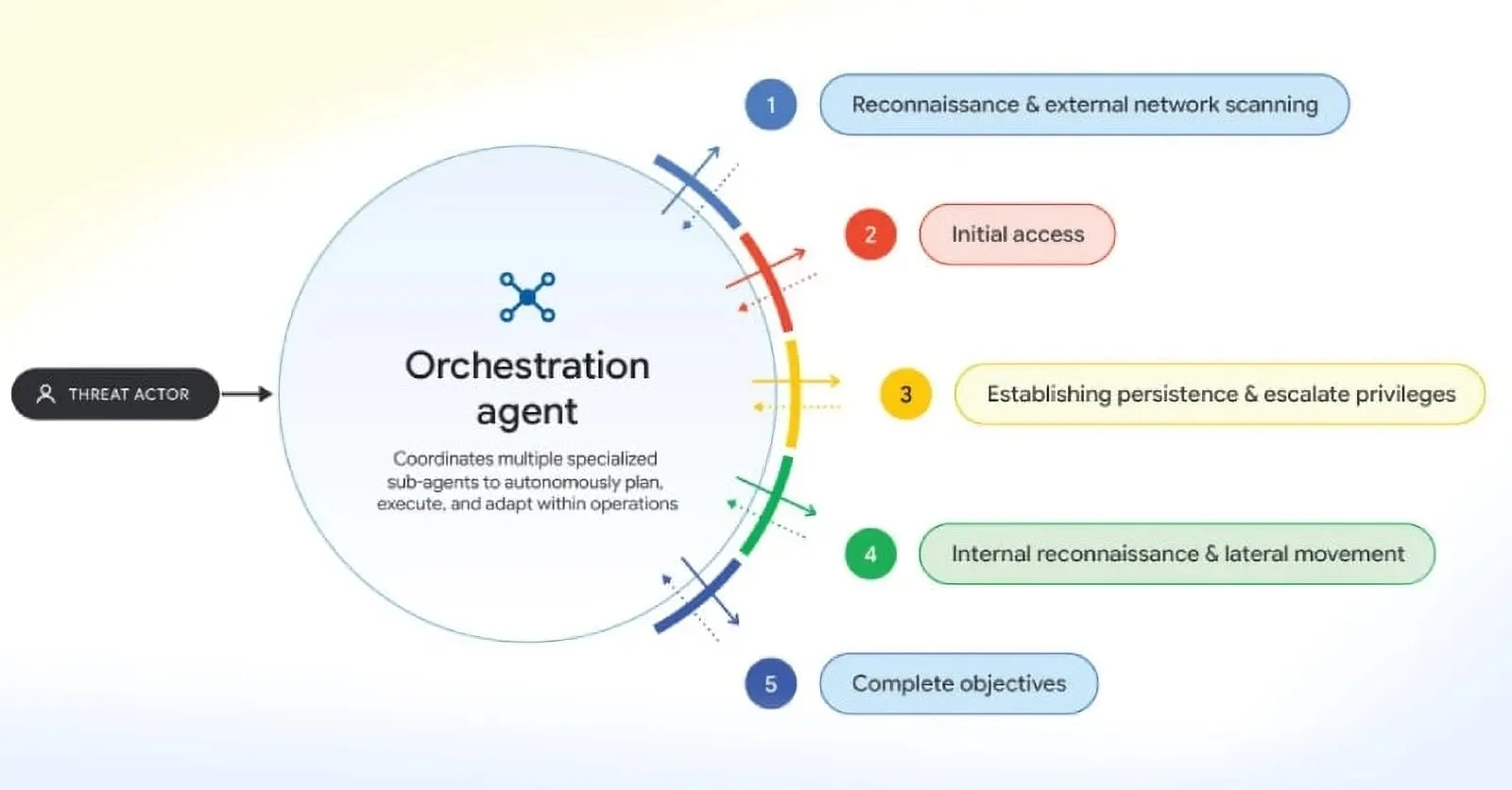
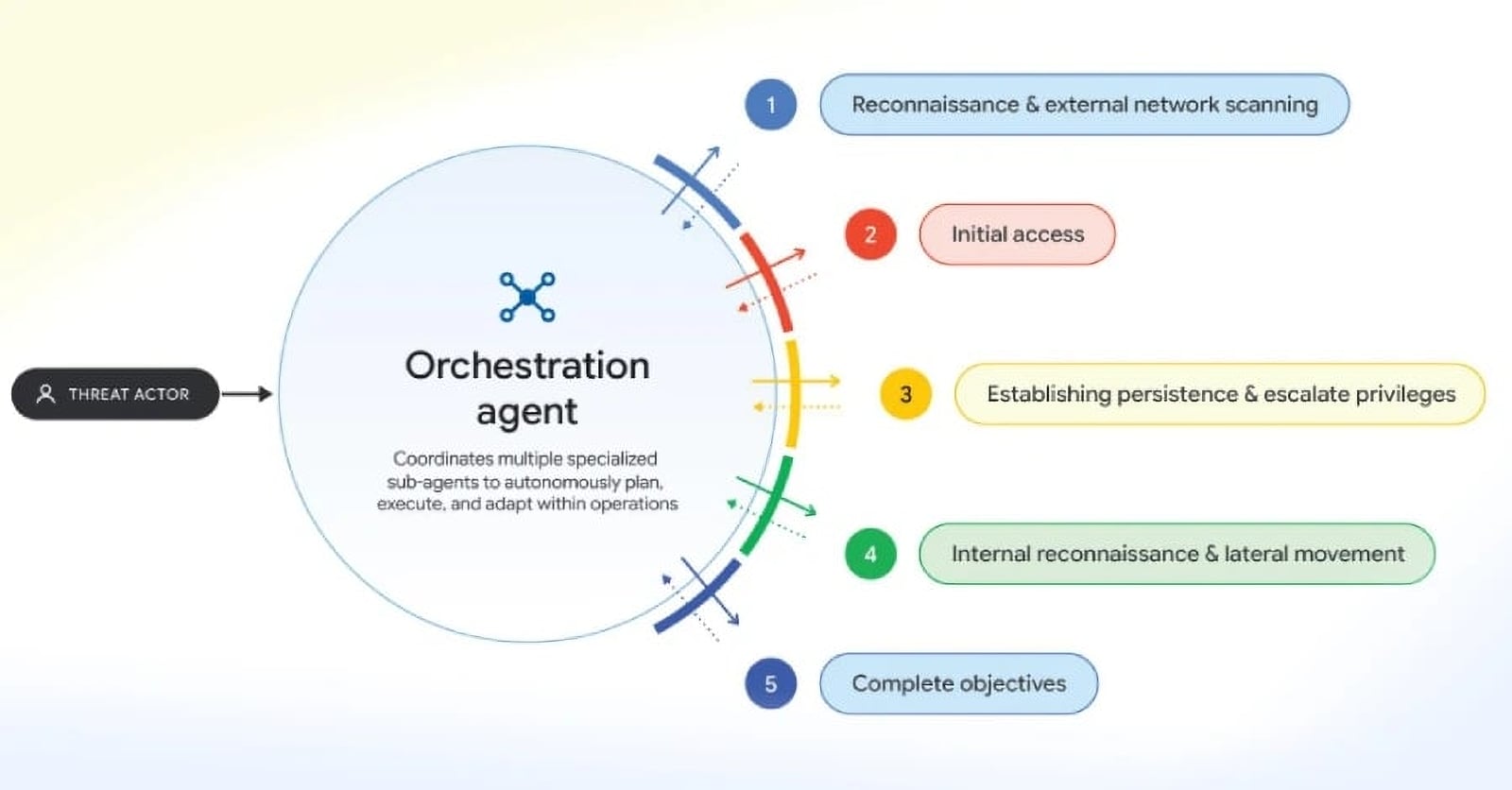
At the technical center of the attack is ARTEX, an open-source autonomous penetration-testing framework powered by large language models. Originally designed to help security engineers identify weaknesses in complex infrastructures, autonomous pentesting frameworks dramatically lower the barrier to conducting high-speed offensive operations.
Both CERT-EU and the FBI had previously issued warnings that cybercriminals and state-aligned threat actors were actively weaponizing ARTEX. The framework gives attackers several decisive operational advantages:
- Automated reconnaissance that rapidly maps target networks and exposed endpoints,
- Rapid discovery of misconfigurations with minimal manual intervention,
- Machine-speed testing and chaining of software vulnerabilities into working exploits.
By compressing reconnaissance and vulnerability discovery workflows that traditionally required days or weeks of human effort into minutes, AI-assisted frameworks leave defenders with a far narrower window to detect and contain intrusions.
Google Threat Report: Hackers Are Using Autonomous AI Agents to Build Exploits From Patches

Meta's Muse AI Agent Read Encrypted Signal Chats Using Notification and Accessibility Permissions
Was Sensitive Employee Data Compromised?
Following news of the prolonged outage, the central question became whether sensitive employee information—including salary details, leave records, and medical reimbursement data—had been exfiltrated. Commission officials stated that the bulk of the attack had been contained and that affected platforms such as Sysper and MyPMO were gradually being brought back online.
European Commission spokesperson Thomas Regnier confirmed that individual systems were targeted and that immediate containment steps were taken. While Regnier noted that no systemic breach impacting staff as a whole had been detected, forensic investigators were still assessing the full scope of potential data exposure.
High-Level Crisis Response in Brussels
The severity of the intrusion triggered executive-level crisis management across the European Commission. The Corporate Management Board convened an emergency session, and Technology Commissioner Henna Virkkunen received detailed briefings on the operational impact and containment strategy. As one of several notable cybersecurity incidents targeting the European Commission in 2026, the attack has renewed urgency around strengthening the cyber resilience of EU institutions.
A New Era for Defenders Facing Autonomous AI Attacks
The ARTEX incident against the European Commission represents a clear inflection point for modern cybersecurity architecture. Open-source AI penetration-testing agents are no longer experimental tools limited to red teams; they are now part of the active toolkit used against high-value public and private targets.
For government agencies and enterprise engineering teams, three defensive priorities stand out:
- Automated patching and configuration hygiene: Manual patch cycles cannot keep pace with LLM agents scanning for exposures at machine speed; continuous attack-surface management and rapid patch automation are essential.
- Strict network segmentation and Zero Trust: Enforcing strong isolation and least-privilege access between internal services prevents a compromise in one application from threatening critical HR or financial platforms like Sysper and MyPMO.
- AI-assisted behavioral detection: Security operations teams need automated anomaly detection capable of identifying high-velocity, agent-driven reconnaissance patterns before attackers can escalate privileges.
This week’s posts, in your inbox every Monday
A short summary of the posts published that week on AI, Claude Code, MCP and web development. No new posts, no email.
- One email a week
- No ads
- One-click unsubscribe