Microsoft Unveils 7 In-House MAI AI Models at Ignite 2026 With Up to 95% Cost Savings
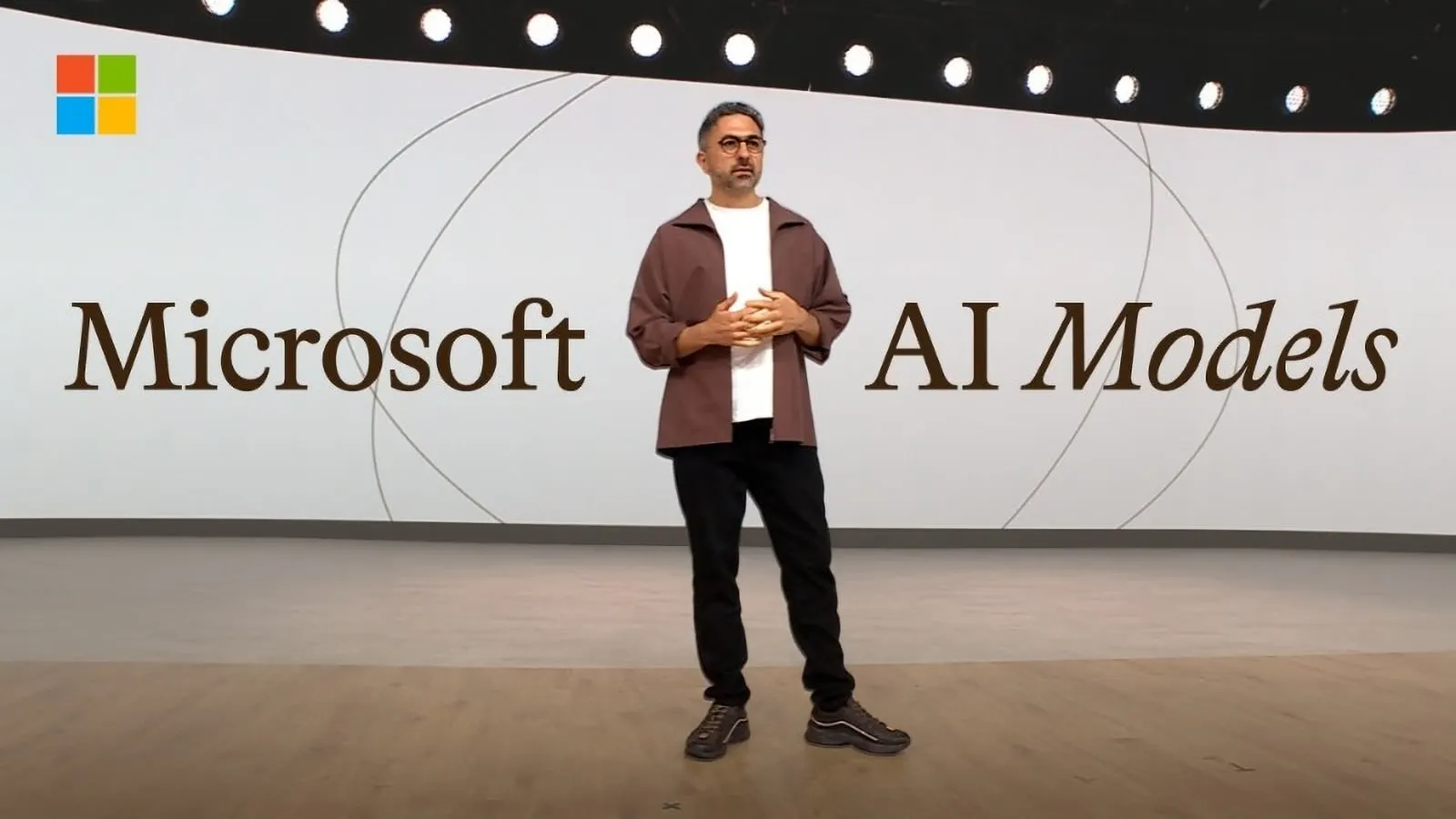
Microsoft launched 7 specialized in-house MAI AI models at Ignite 2026—including MAI Code 2, MAI Cyber 2 Flash, and MAI Realtime 1—offering up to 95% lower costs than competing frontier models alongside Licensed Weights for Azure enterprises.
Competition in enterprise artificial intelligence is rapidly shifting away from pure parameter-count supremacy toward sustainable unit economics for round-the-clock autonomous agents. At Microsoft Ignite 2026 in San Francisco, Microsoft delivered its boldest strategic move in this direction yet. Led by Microsoft AI CEO Mustafa Suleyman, the company unveiled 7 new in-house MAI (Microsoft AI) models engineered specifically to disrupt the market on price-performance and operational efficiency.
Long associated with its deep partnership with OpenAI, Microsoft is now signaling decisive internal independence by directly challenging both OpenAI and Anthropic on token economics. Speaking on stage, Mustafa Suleyman noted that corporate token spending is soaring as organizations deploy continuous agent fleets, emphasizing that Microsoft's priority is delivering breakthrough cost-efficiency for high-frequency enterprise workloads like software engineering, security defense, and multimodal automation rather than chasing niche academic benchmarks.
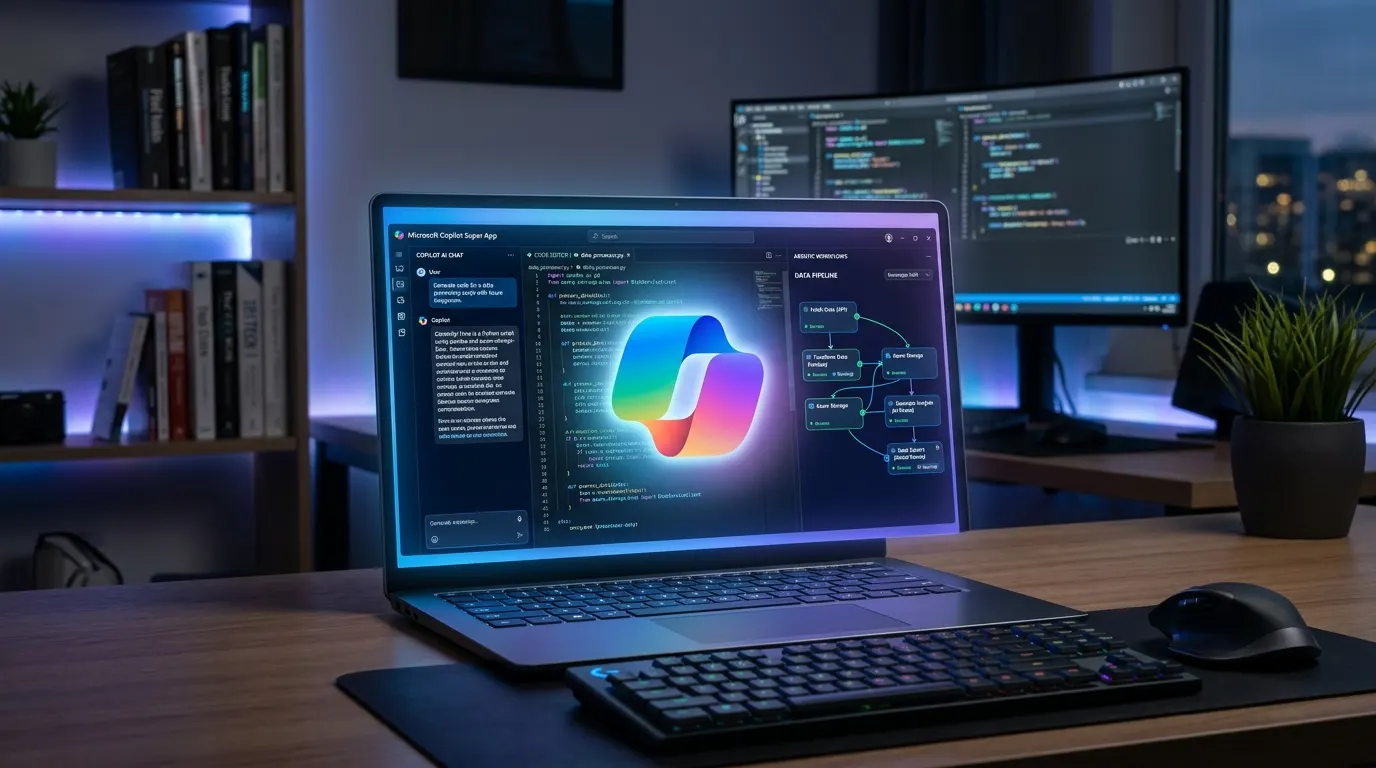
Software Engineering With MAI Code 2 and Code 2 Flash
The centerpiece of the announcement targets developers across GitHub Copilot and Microsoft Foundry. Co-optimized across software and Microsoft's custom Maia 200 silicon accelerators, the new coding lineup aims to make large-scale agentic programming dramatically more affordable:
* MAI Code 2: Built for daily enterprise coding and repository-wide engineering tasks, Microsoft reports that MAI Code 2 achieves roughly 98% of OpenAI GPT-6.1 Sol's coding benchmark performance at 40% of the cost. Against Anthropic Claude Opus 5.5, it claims 96% of the performance at just 5% of the price—representing up to 95% in direct cost savings. * MAI Code 2 Flash: A lightweight, high-throughput variant built for routine bug fixes and rapid code completion, matching OpenAI GPT-6 Luna at 65% of the price and rivaling Claude Haiku 5.5 at one-fifth the cost.
Aggressive Cybersecurity Defense: MAI Cyber 2 Flash
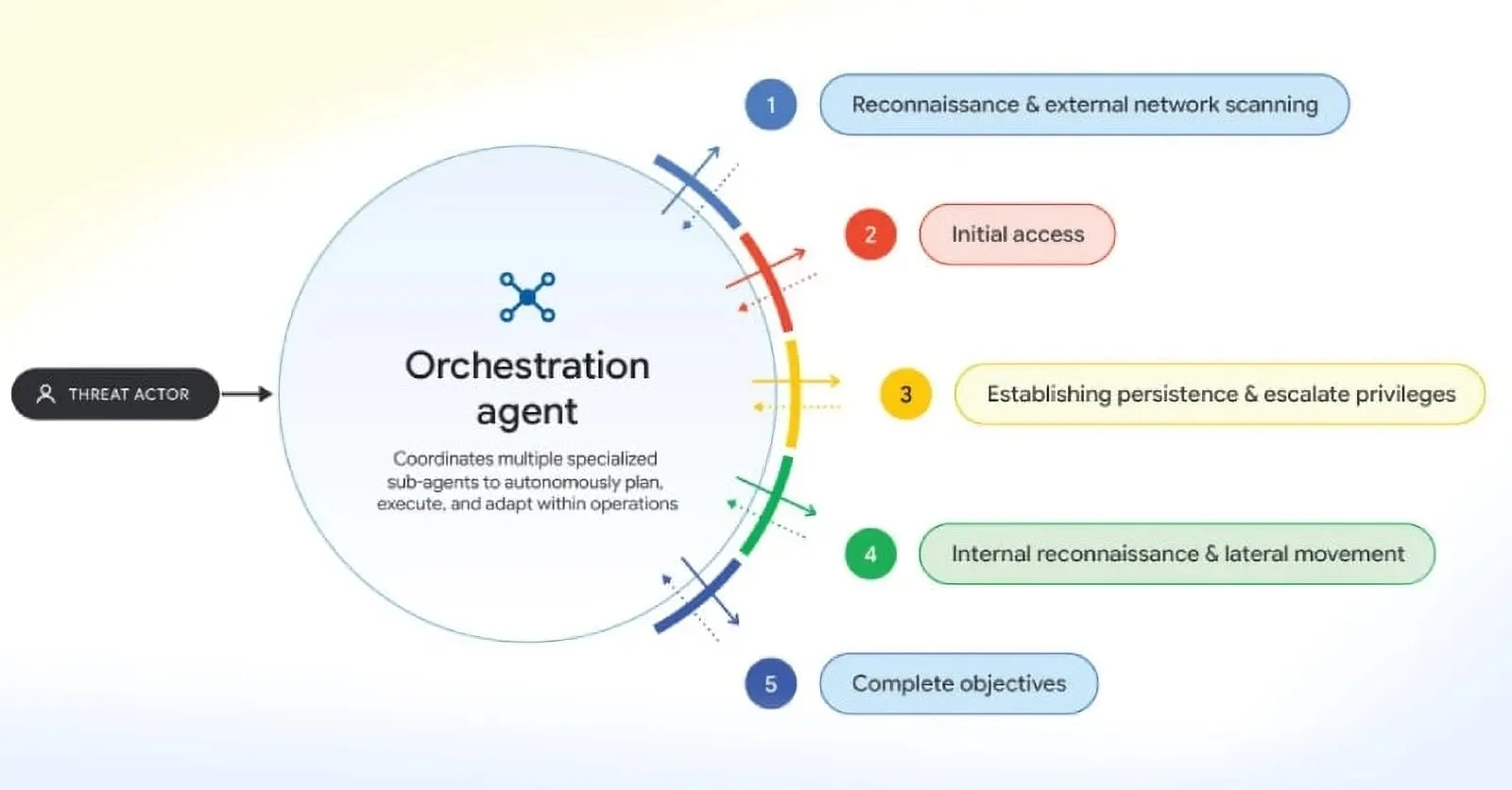
As automated cyberattacks and AI-assisted exploit generation accelerate, Microsoft introduced MAI Cyber 2 Flash, a specialized defensive model built for continuous vulnerability scanning, threat triage, and automated patching. Listed at \$0.10 per million input tokens and \$0.50 per million output tokens, the model brings frontier-grade security analysis down to commodity pricing.
According to Microsoft's evaluations, MAI Cyber 2 Flash outperforms competing flagship models on dedicated security benchmarks while slashing per-task costs to under 2% of rival offerings. Initially gated to verified enterprise security teams via MDASH, the model is designed to run continuously across sprawling cloud environments without triggering prohibitive inference bills.
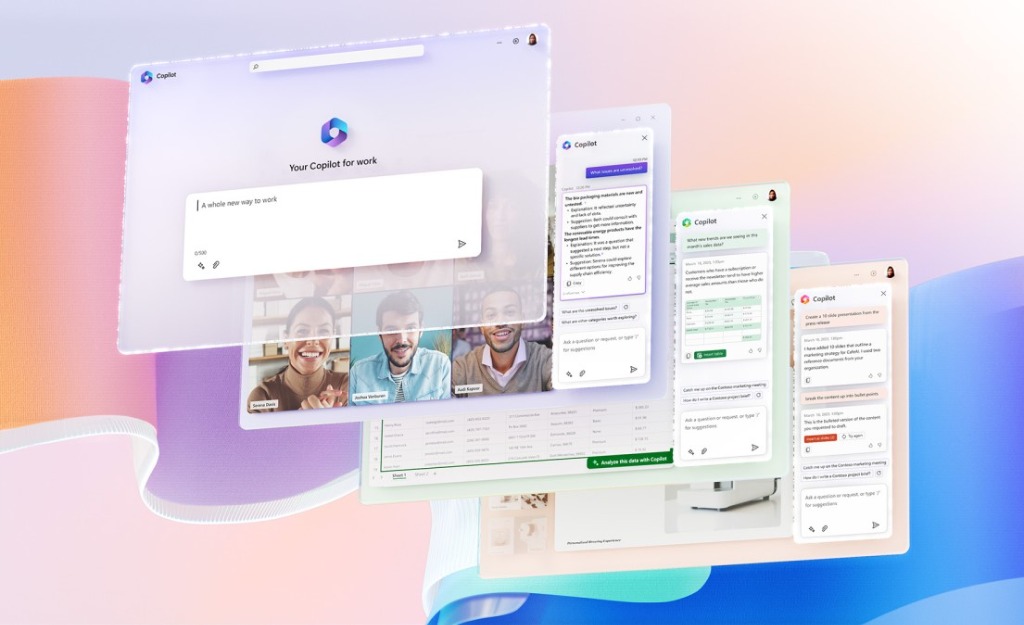
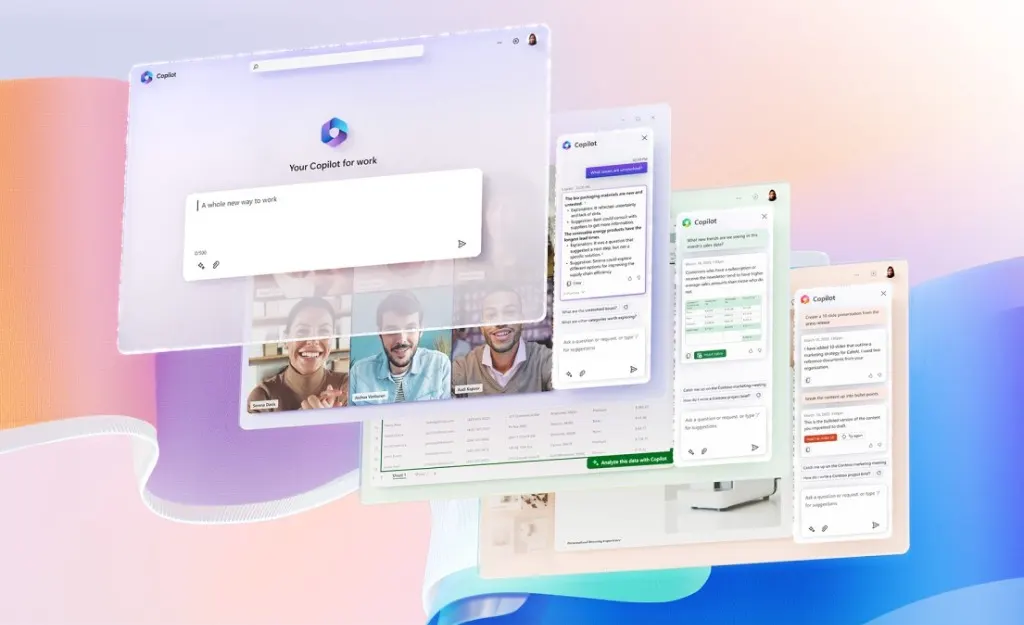
Microsoft Copilot Redesigned from Scratch: Coding and Autonomous Tasks

The Agent Revolution in GitHub and Microsoft Copilot: Adaptive Orchestration, Jira Integration and New Billing
Multimodal Imaging, Real-Time Voice, and Smart Routing
Rounding out the Ignite 2026 portfolio are specialized models covering visual generation, live audio, transcription, and intelligent workload orchestration:
* MAI Image 2.7 and 2.7 Flash: Tailored for high-fidelity image generation and editing, ranking near the top of independent leaderboards while pricing the Flash tier around \$10 per 1,000 images. * MAI Realtime 1: Microsoft's first native speech-to-speech voice model for low-latency conversational agents, starting at \$0.01 per audio minute. * MAI Transcribe 2: A multilingual, high-speed transcription engine heavily optimized for demanding sectors such as clinical doctor-patient documentation and enterprise call centers. * Decision 1.1: An intelligent router model that evaluates incoming prompts in real time and dispatches each request to the most cost-effective underlying model capable of completing the task accurately.
Enterprise Data Sovereignty via MAI Licensed Weights
Beyond aggressive API pricing, Mustafa Suleyman introduced MAI Licensed Weights to address strict enterprise governance requirements. Bridging the gap between fully open-source weights and closed proprietary APIs, this licensing model enables organizations to fine-tune frontier MAI models on proprietary corporate data and host them privately within Azure. Enterprises retain complete intellectual property ownership, with Microsoft confirming customer data is never used to train baseline models without explicit consent.
Multi-Vendor Marketplace and Competitive Outlook
Even as Microsoft pushes its in-house MAI family aggressively, the company maintains its broader multi-vendor strategy across Azure and Microsoft Foundry, continuing to host external releases including OpenAI's GPT-6.2 series. Nevertheless, by pairing custom Maia 200 hardware with 7 specialized MAI models that cut operating expenses by up to 95%, Microsoft is making a compelling pitch directly to enterprise CIOs and CFOs seeking to scale autonomous AI agents profitably.
This week’s posts, in your inbox every Monday
A short summary of the posts published that week on AI, Claude Code, MCP and web development. No new posts, no email.
- One email a week
- No ads
- One-click unsubscribe