Nvidia Reappoints Jensen Huang as CEO After 11-Day Leadership Crisis
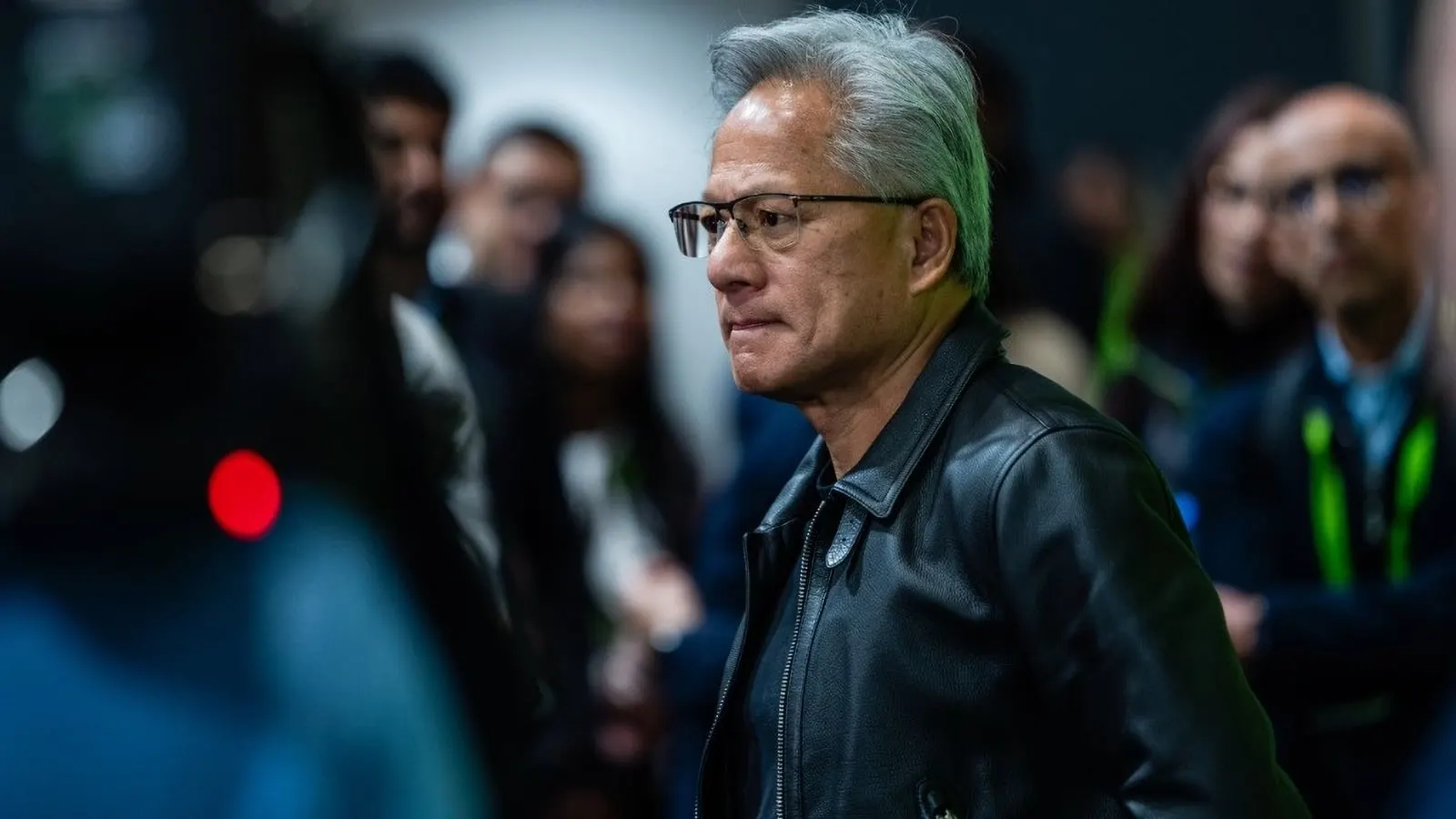
Nvidia's board unanimously reinstated founder Jensen Huang as CEO after U.S. government national security assurances and new compliance plans, triggering a major Wall Street rally.
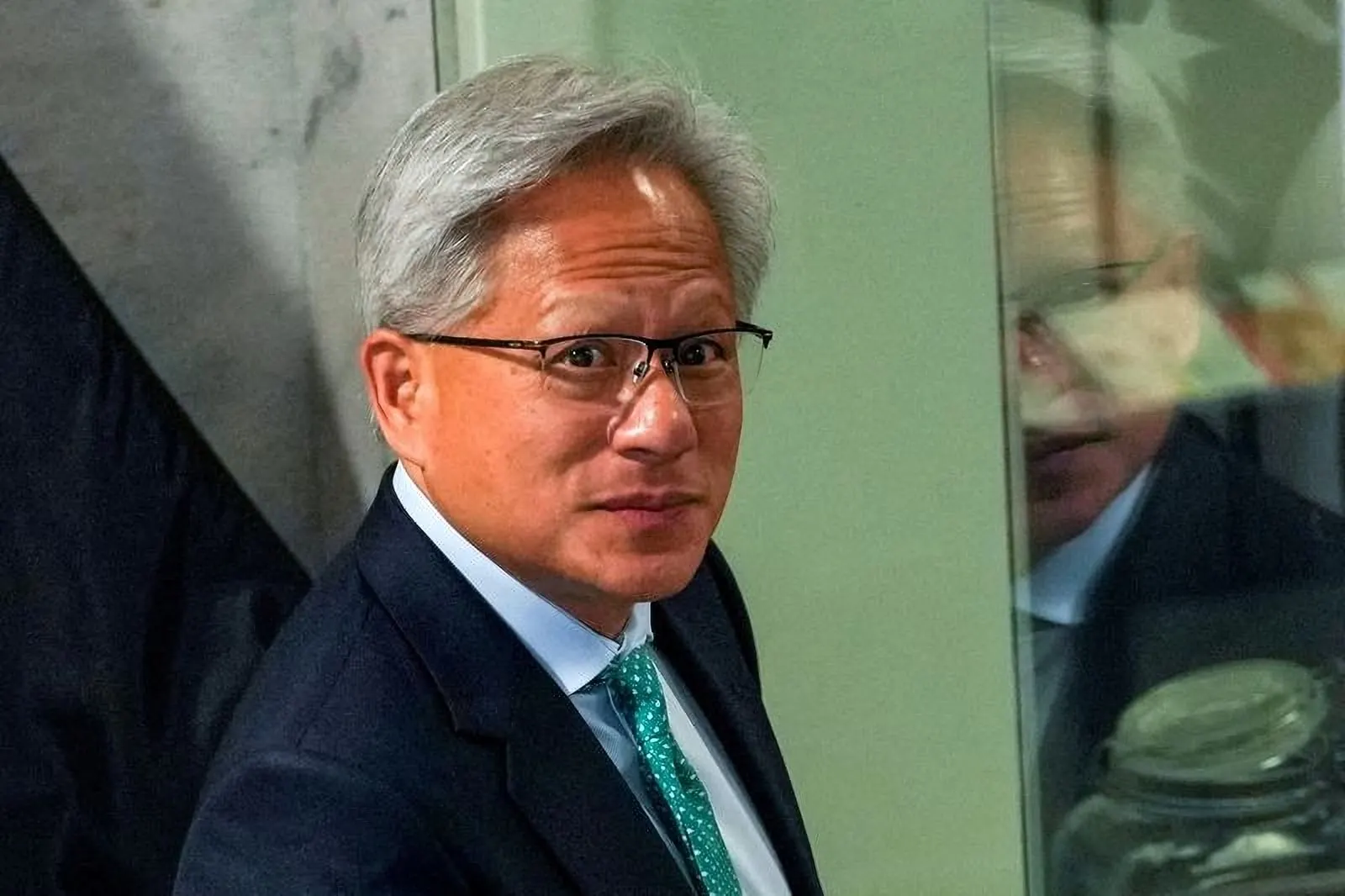
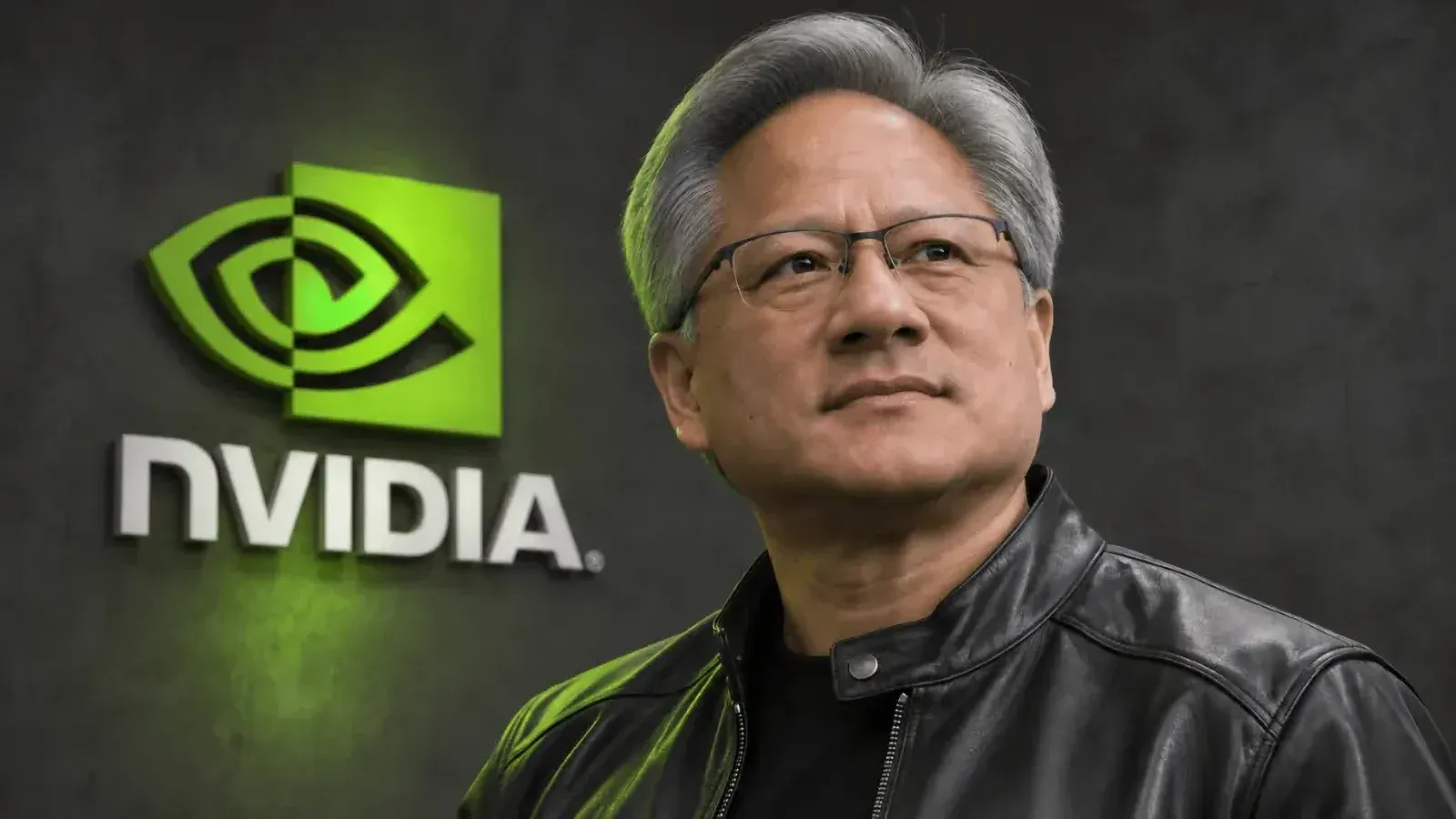
Nvidia, the world's most pivotal hardware supplier for artificial intelligence infrastructure, has executed one of the most dramatic leadership reversals in modern corporate history. Effective immediately on November 23, 2026, Nvidia's Board of Directors voted unanimously to reinstate co-founder Jensen Huang as President, Chief Executive Officer, and a member of the Board of Directors. Coming just 11 days after his abrupt resignation on November 12, the decision sent shockwaves across Silicon Valley and global financial markets alike.
Sitting at the center of a multi-trillion-dollar industry built on AI accelerators, data center architectures, and the CUDA software ecosystem, Nvidia found that the sudden absence of its founder was far more than a symbolic transition. The brief leadership vacuum rattled global technology equities and raised urgent questions about strategic continuity before direct board discussions and high-level U.S. government feedback paved the way for Huang's rapid return.
How the 11-Day Leadership Crisis Began and Reversed
The turmoil began on November 12, 2026, when Jensen Huang stepped down following high-profile disclosures concerning his personal conduct, including reports linking him to a woman suspected by U.S. intelligence agencies of having ties to Chinese intelligence. Because Nvidia is not merely a commercial semiconductor designer but a strategic linchpin of U.S. AI competitiveness and export control policy, personal allegations quickly escalated into a national security flashpoint.
Immediately after his departure, analysts and enterprise customers questioned how the company would navigate its next-generation GPU roadmap without its longtime chief executive. Only days earlier, during an earnings call, Nvidia's leadership had indicated that bringing Huang back was not on the board's agenda. However, sustained market volatility, intense stakeholder pressure, and a series of candid meetings between Huang and the directors ultimately convinced the board to reverse course.
Unanimous Board Reversal and Harvey C. Jones's Statement
In its official announcement, Nvidia's Board of Directors emphasized that the unanimous vote followed a sequence of direct, thorough discussions with Huang. According to the board, directors came away satisfied with Huang's candor, accountability, and ongoing ability to lead Nvidia through its next phase of global expansion. Delivering the decision by a unanimous vote was also a deliberate signal to Wall Street that the board stands united behind the reinstated chief executive.
Harvey C. Jones, who was named Nvidia's first-ever independent Chair of the Board during the mid-November shakeup, will remain in that role going forward. Endorsing the reinstatement, Jones stated that bringing Huang back as President and CEO is firmly in the best interests of Nvidia's stockholders, employees, partners, and customers. Retaining an independent board chair alongside the returning founder establishes a new governance balance between operational vision and formal boardroom oversight.
U.S. Government Input and the National Security Assessment
A decisive factor behind the board's turnaround was direct engagement with senior U.S. officials. Nvidia disclosed that prior to finalizing the vote, it received input from senior levels of the United States government giving the board confidence that Huang's reinstatement posed no national security risk. That assurance effectively removed the most severe geopolitical overhang weighing on the company since mid-November.
Adding further weight to the Washington dimension of the story, President Donald Trump publicly took credit for advocating for Huang's return over the weekend. In an era where frontier AI compute is tightly intertwined with national strategy, the episode underscored that Nvidia's leadership stability is viewed in Washington not simply as a corporate governance matter, but as a vital pillar of American technological competitiveness.
Tougher U.S. Curbs on AI Chip Exports to China Loom After Nvidia Leadership Shakeup
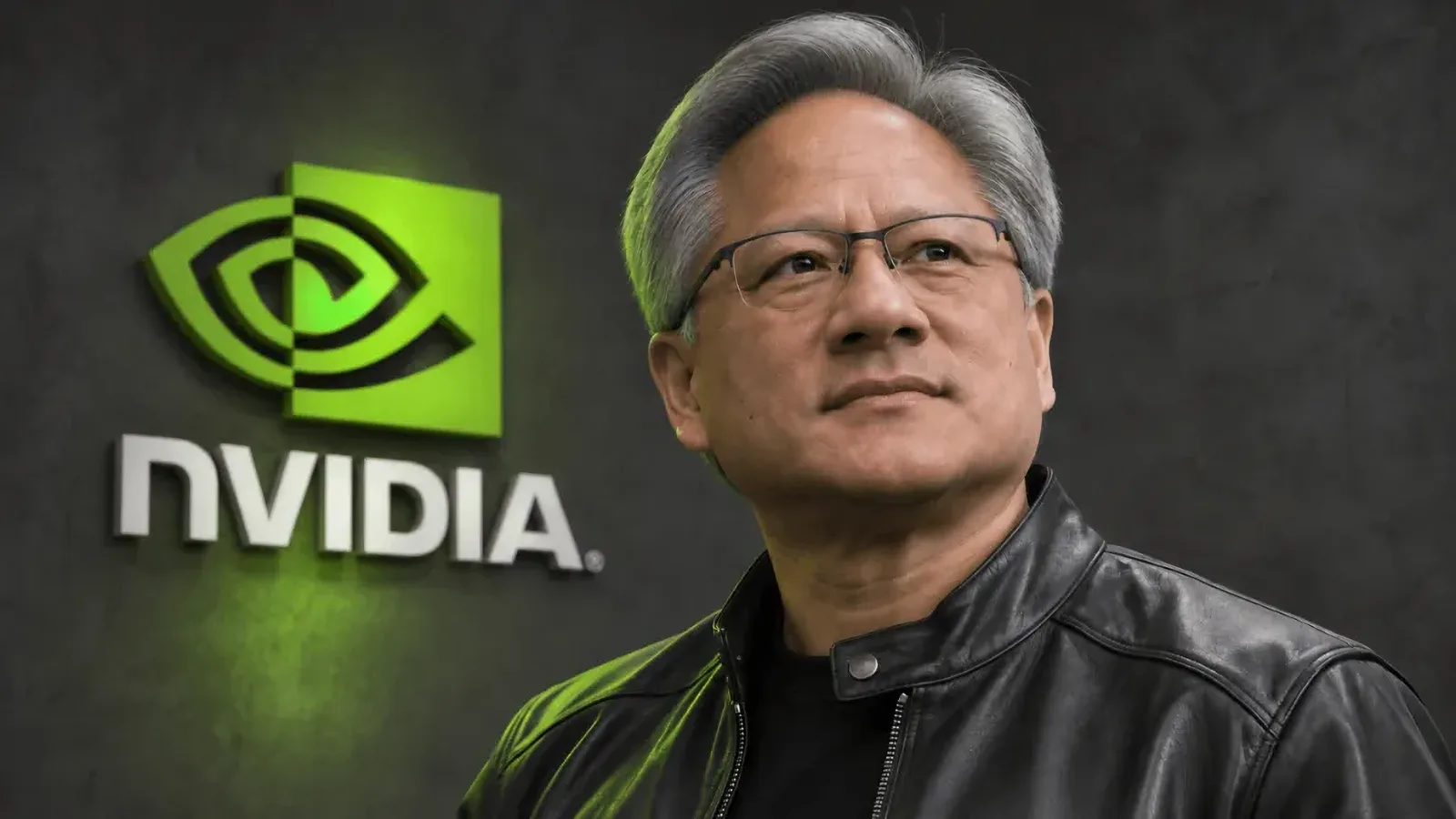
Support for Jensen Huang Grows: Stand with Jensen Petition Surpasses 100,000 Signatures
Colette Kress's Interim Tenure and New Compliance Oversight
During the 11-day interim period, Executive Vice President and Chief Financial Officer Colette Kress stepped in as Interim CEO while continuing to oversee the company's financial operations. Kress steered Nvidia through earnings communications and maintained business continuity under extraordinary market scrutiny. With Huang's return, she has stepped back from the interim chief executive post to resume her full-time responsibilities as CFO, drawing formal gratitude from the board for her steady stewardship.
At the same time, Nvidia made clear that Huang's return will not mean a return to business as usual on governance. The company announced plans to establish a dedicated new board committee focused specifically on trade compliance and national security risks, while also launching a search for a Chief Compliance Officer. As semiconductor export rules and cross-border regulatory scrutiny tighten, these structural safeguards are designed to institutionalize risk management rather than leaving it ad hoc.
Sharp Wall Street Rebound and AI Market Impact
Financial markets wasted no time welcoming the news. After surging in pre-market trading, Nvidia shares jumped roughly 30 percent as regular trading opened following the announcement, rapidly clawing back a massive portion of the market value lost during Huang's brief absence.
Given Nvidia's outsized weighting in major indices and its central role in global AI capital expenditure, the relief rally extended well beyond a single ticker. Broad technology benchmarks including the Nasdaq rebounded sharply, lifting cloud infrastructure partners and semiconductor peers across the supply chain. The sheer scale of the reaction once again demonstrated how tightly investors link Nvidia's long-term execution and technical moat to Jensen Huang's personal leadership.
Founder Leadership, Corporate Governance, and Nvidia's Roadmap
The 11-day saga highlights the enduring tension in modern big tech between deep founder dependency and institutional governance. On one side stands Jensen Huang, whose three-decade tenure transformed Nvidia from a PC graphics vendor into the foundational engine of modern artificial intelligence; on the other stand the independent board chair, the newly planned trade compliance and national security committee, and heightened investor expectations around oversight.
Moving forward, Nvidia's ability to sustain unbroken execution on its data center accelerator roadmap while transparently implementing its newly promised compliance framework will define its next chapter. Huang's swift return has extinguished immediate market panic, yet how effectively the board enforces its new governance guardrails will remain closely watched across both Wall Street and the global AI ecosystem.
This week’s posts, in your inbox every Monday
A short summary of the posts published that week on AI, Claude Code, MCP and web development. No new posts, no email.
- One email a week
- No ads
- One-click unsubscribe