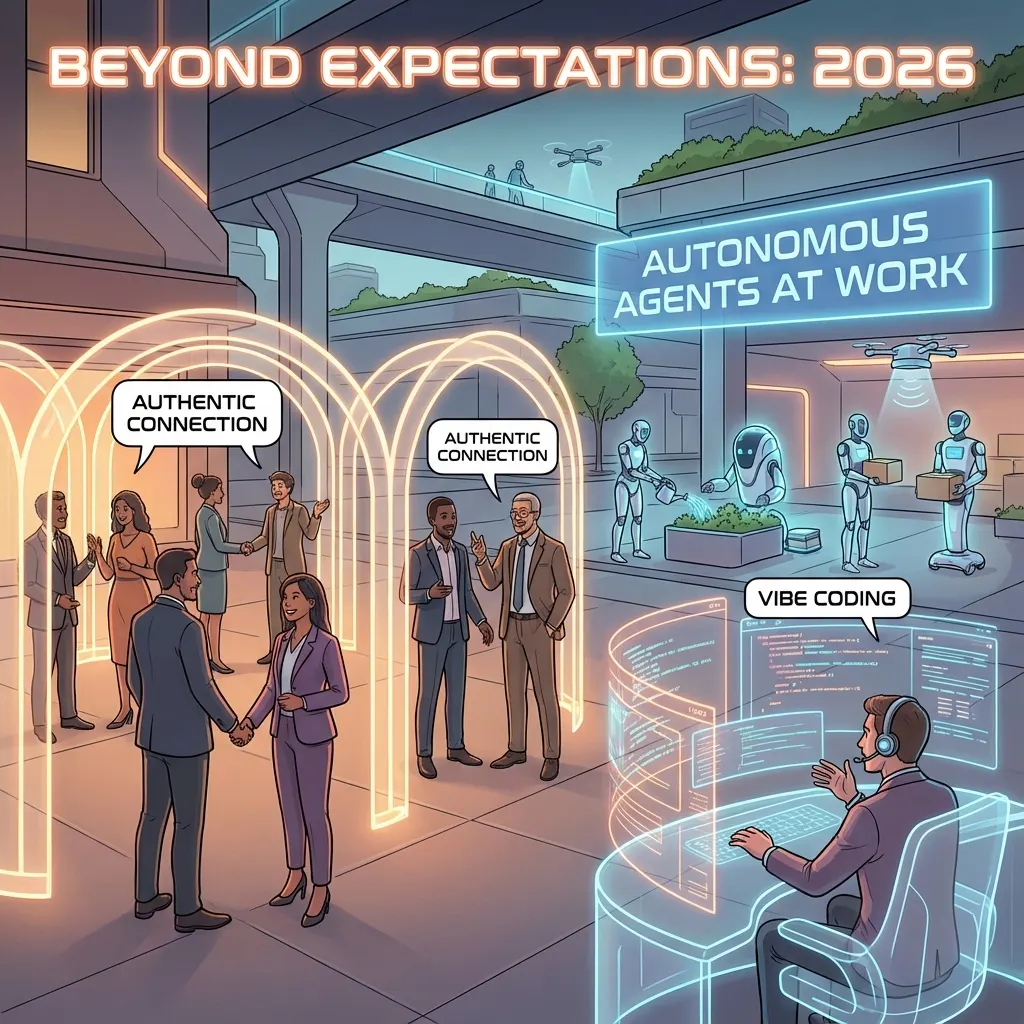
2026 Through an AI Expert's Eyes: 4 Surprising Shifts Beyond Expectations
4 surprising trends awaiting the AI world in 2026: a return to the human, vibe coding, ecosystem wars and the rise of autonomous agents.
AICodingWeb Development
58 posts on this topic
4 surprising trends awaiting the AI world in 2026: a return to the human, vibe coding, ecosystem wars and the rise of autonomous agents.
Cursor's Debug Mode (an agent loop driven by runtime data) and its in-IDE browser approach move debugging in web projects from speculation to an evidence-based process. In this post, I explain how it works technically and its practical benefits for beginners.

What is CVE-2025-55182, the critical RCE vulnerability affecting projects that use React 19 and the Next.js App Router, who does it affect and how can you secure your project step by step? Here is a practical, actionable guide.
Vite 8 beta moves to Rolldown as its single bundler. Here is why the switch happened, what it means for build speed and plugins, and how to try the beta safely in an existing project.
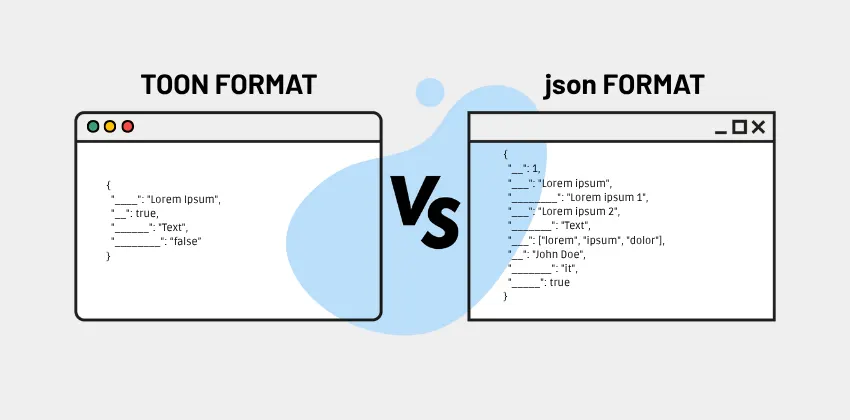
Designed specifically for Large Language Models (LLMs), TOON is a readable, efficient data format that uses 30-60% fewer tokens than JSON.

Perplexity brings its AI-focused browser Comet to Android, making a strong entry into the territory of Chrome and traditional mobile browsers. An AI-powered browsing and search experience is now in our pockets.

A guide to increasing your search engine visibility with Google Rich Snippets. Optimize your SEO with Schema.org structured data.

AWS sees autonomous AI agents changing how companies design and deliver value, and believes startups and small businesses are best placed to benefit. A practical look at the argument, the obstacles and where to start.
Tailwind Builder is a free AI tool developed by WrapPixel and powered by technologies such as React, Next.js, Tailwind CSS, shadcn/ui, ApexCharts and TanStack. It lets you generate production-quality code for forms, tables and charts in seconds.

As a Rust-based, unified toolchain, Vite+ promises performance and consistency; but its commercial licensing model also brings debates about funding and adoption in the community.
Cursor 2.0, released on October 29, 2025, is a major update that significantly advances the AI-assisted development experience. Two main axes stand out in this release: stronger, evidence-based model capabilities and a team-focused, secure, scalable development workflow.
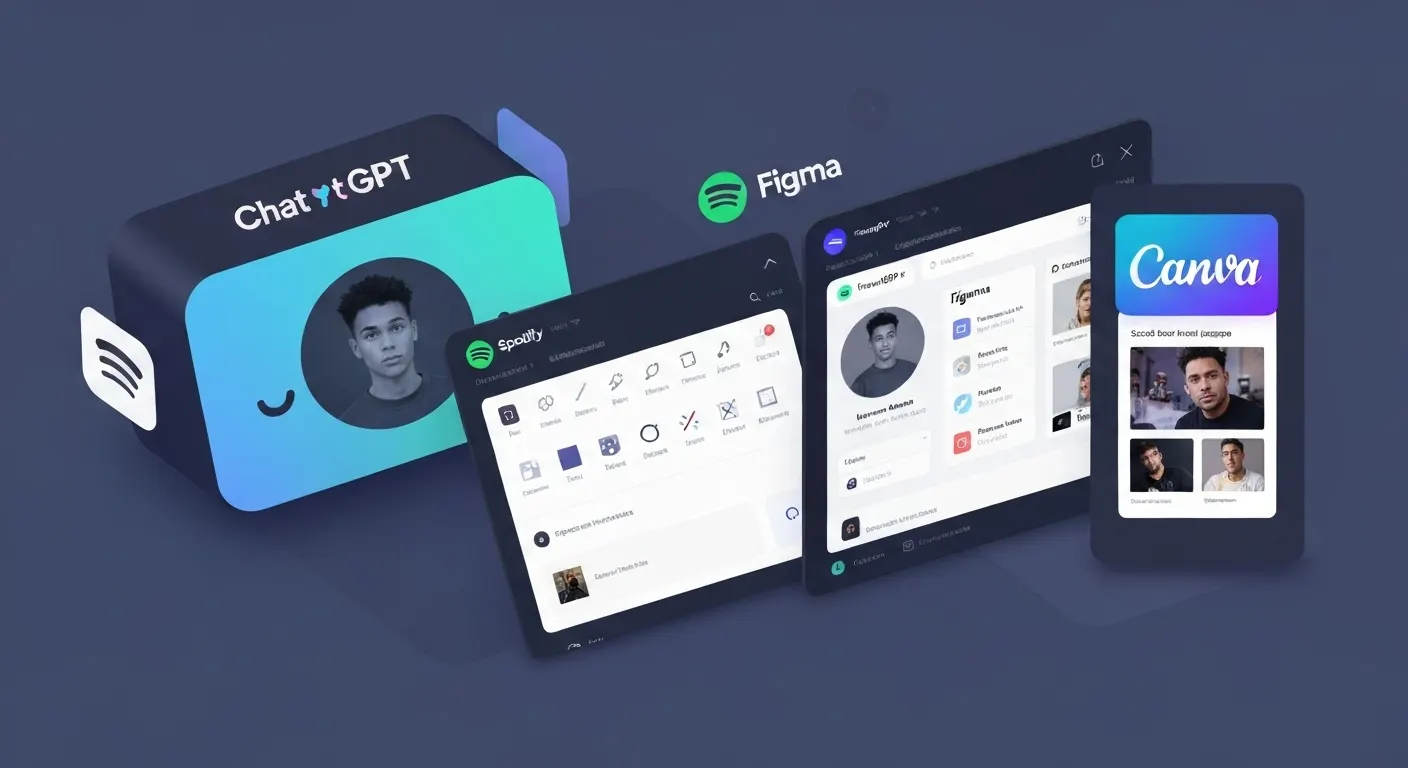
ChatGPT can now work directly with apps such as Spotify, Figma, Canva, Booking.com, Coursera, Expedia and Zillow. How to connect them, what each one can do, what you share by linking an account and where the feature is available.

OpenAI tells site owners to add ARIA so its Atlas browser agent understands pages better. Accessibility experts see a misreading of what ARIA is for, and a new opening for keyword stuffing that would hurt real screen reader users.

Put the same small feature in React and Backbone side by side and the code is about the same length. The real difference is where the complexity hides, and what that costs when things break in small and mid-sized apps.
OpenAI has launched ChatGPT Atlas, an AI-first browser available worldwide on macOS. With a ChatGPT sidebar and agent mode, it targets Google Chrome and opens a new front in the competition for search and advertising.

The dynamic-result announcements we usually patch together with a div and ARIA are already built into HTML through the <output> element. Here is how it works, where it fits and the caveats to know. Accessible, semantic and framework-agnostic.
Next.js 16 is out and it is not a minor update. The key features and breaking changes of Next.js 16, with stable Turbopack, React Compiler support, smarter routing and new caching APIs that solve real problems.

A step-by-step look at how Amazon S3 achieves high durability, scalability and security at global scale through its front-end request handling, metadata indexing, storage placement, durability/repair and security layers.
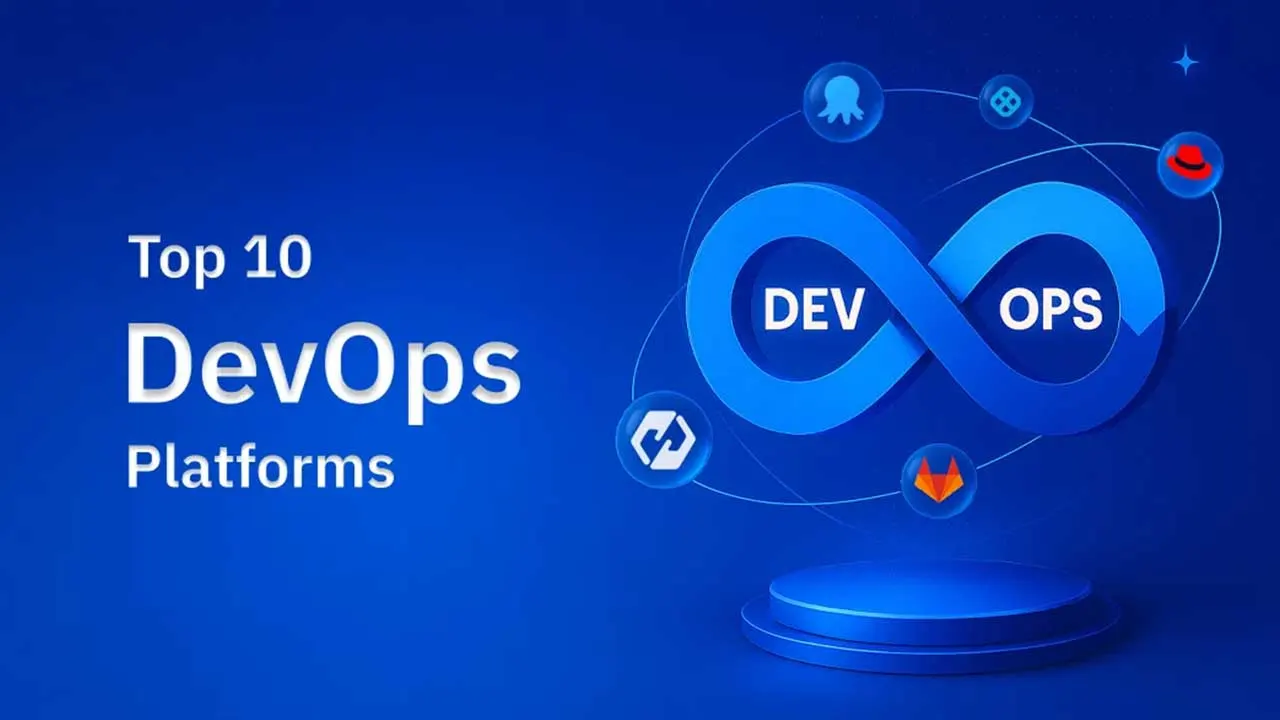
A DevOps platform brings building, testing and deploying software into one system. What these platforms do, a neutral overview of ten widely used options from Azure DevOps to Red Hat OpenShift, and five criteria for choosing between them.
Optimize your build process by using the tsconfig.json file effectively in your TypeScript projects. A professional TypeScript development guide covering strict mode, path aliases and optimization techniques.
Brave is shaking up the Web3 world with the .brave domain extension. Through its partnership with Unstoppable Domains, it offers digital identity to more than 85 million users.

The biggest mistake senior developers make is constantly shielding juniors. It's time to change this approach and unlock your team's real potential.
A detailed guide to using the new CSS if() function correctly and the pitfalls to watch out for.

With the release of Claude 4, a new standard has been set in the world of AI coding. The features that put it ahead of Gemini 2.5 Pro, DeepSeek and OpenAI o3.

Cursor may be a good tool, but in 2025 there are much better, open source and more affordable AI code editors you can use. Here are 7 powerful alternatives for building your projects.
20+ tools for testing your web apps across browsers. A comprehensive guide from open source alternatives to enterprise solutions.

Becoming a React expert isn't just about writing code. It's about learning the core concepts, understanding best practices and knowing how to apply the most efficient solutions for each project.
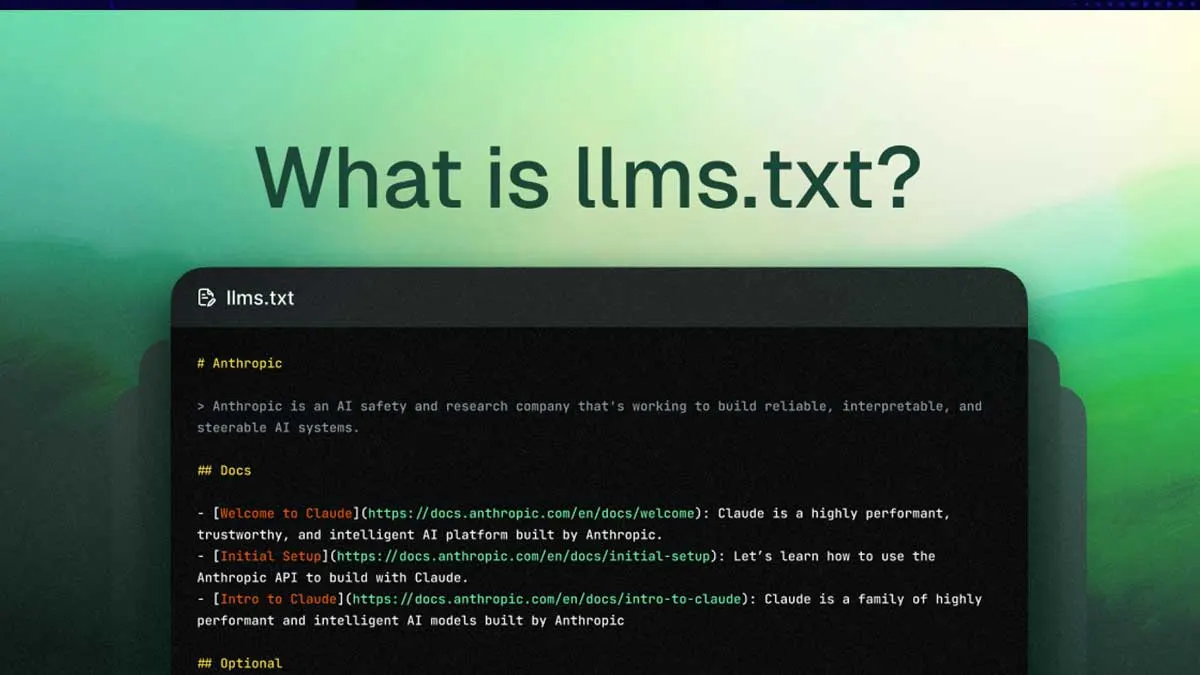
The llms.txt file is a next-generation configuration file that controls data access on websites for large language models (LLMs). It governs which content AI models can access.
58 articles about Web Development, often together with Coding, Frontend, AI. The newest one is "Legendary Racing Game Need for Speed Underground 2 Is Now Playable Directly in the Web Browser".