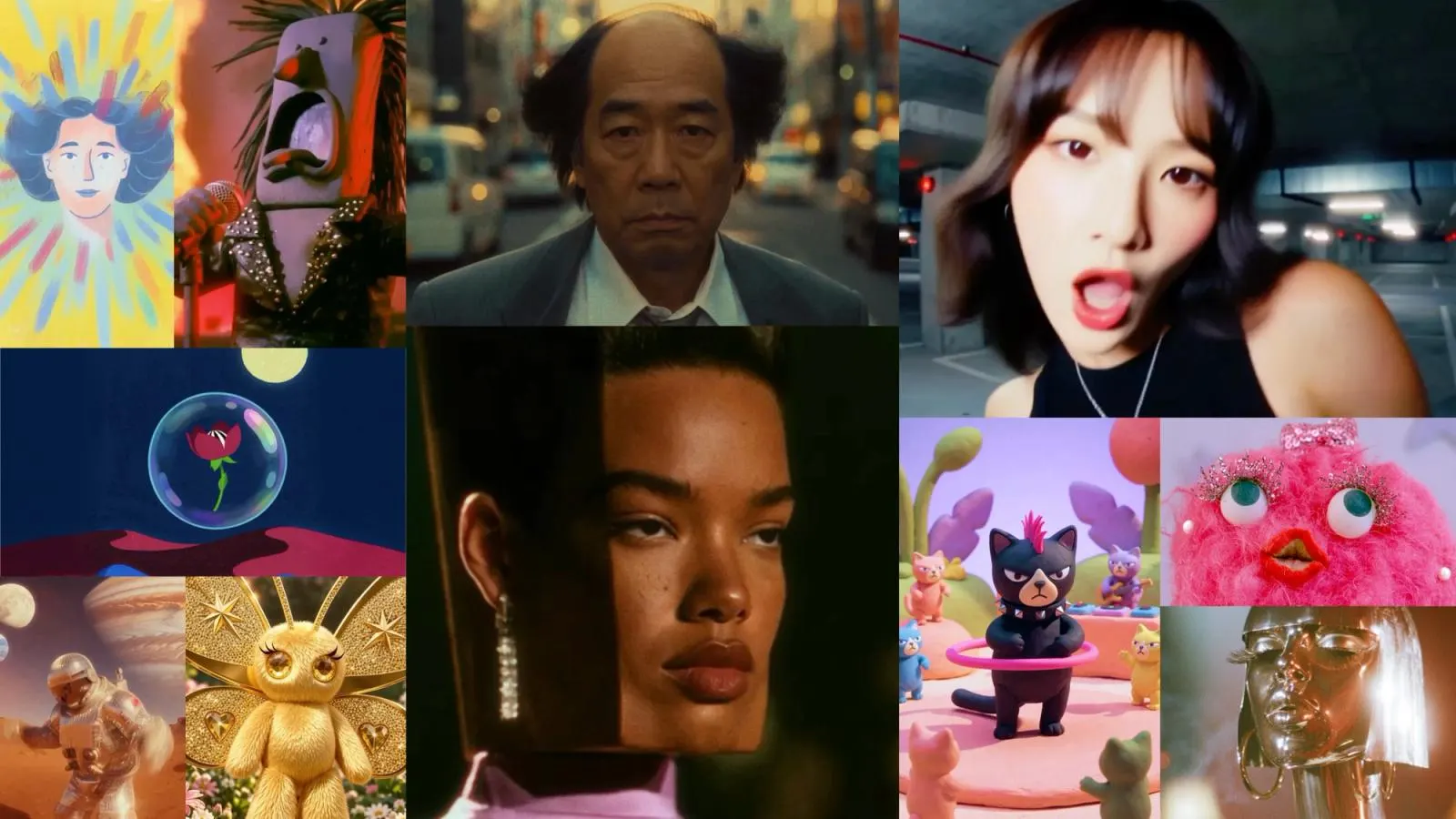
ByteDance Launches Seedream 5.5: 100-Round Stable Editing and Native Transparent Layers

ByteDance's new multimodal AI image model Seedream 5.5 delivers 100-round non-degrading editing, native RGBA transparency, layer decomposition, and studio-grade typography for creative pipelines.
ByteDance, the parent company of TikTok, has officially introduced Seedream 5.5, a next-generation multimodal AI image generation and editing model built by its Seed research team. For years, the biggest bottleneck in generative imaging has not been producing a striking single frame, but rather editing that frame repeatedly with the precision and consistency demanded by professional design teams. Seedream 5.5 directly tackles this chronic limitation, moving AI visual tools out of experimental prototyping and straight into commercial production pipelines.
Engineered for demanding workflows across e-commerce, advertising, gaming, film, television, and corporate presentations, the release combines pixel-preserving multi-turn editing, native alpha channel (RGBA) output, deep layer decomposition, and upgraded typography rendering. According to ByteDance's internal benchmarks, Seedream 5.5 more than doubles the rate of production-ready outputs in film, television, and office scenarios compared to its predecessor, Seedream 5.0 Pro.
Unbroken Image Stability Across 100 Editing Rounds
In conventional AI image editors, changing a single localized element—such as swapping a garment, altering a product finish, or adjusting background lighting—frequently introduces subtle drift into untouched areas. Faces slightly shift, color palettes wander, and fine textures soften until the image breaks down completely after just a handful of sequential revisions.
Seedream 5.5 addresses this issue at its core with an upgraded preservation architecture. Users can execute continuous, iterative edits on a single canvas for up to 100 rounds while keeping all unedited regions intact at the pixel level. Color drift, cumulative detail loss, and subject distortion are effectively eliminated. Creative teams can adjust scene illumination, introduce props, test packaging variants, and refine styling step by step without compromising the identity of the primary subject.
Native Alpha Channel, Transparent Backgrounds, and 100-Layer Decomposition
Because most generative models output flat raster images, integrating AI visuals into real design suites typically requires tedious manual masking or third-party background removal. Seedream 5.5 introduces native RGBA asset generation with built-in alpha channel support, cleanly rendering both fully transparent and semi-transparent elements such as glass reflections, smoke, sheer fabric, hair strands, stickers, and logos directly as ready-to-use transparent PNG files.
The model also dramatically expands its layer decomposition capabilities. Whereas Seedream 5.0 Pro could split a flat graphic into up to 16 independent elements, Seedream 5.5 can take a standard JPEG or PNG and separate it into a clean base canvas alongside up to 100 configurable transparent layers (defaulting to roughly 30 layers). Beyond exporting individual cutouts, the pipeline returns structured layout metadata—including z_index ordering, bounding box coordinates, naming, and descriptions—alongside optional OCR (optical character recognition) to isolate text layers for rapid localization and layout redesigns.
More Natural Lighting, Skin Textures, and Realistic Materials
Overly glossy surfaces, plastic-looking skin, and unnatural highlight roll-offs have long been telltale signs of AI-generated photography. With Seedream 5.5, ByteDance heavily recalibrated photorealism across lighting, surface materials, and human skin textures, curbing overexposure and blotchy artifacts.
In studio product photography and portrait scenes, the physical coherence between light sources, reflections, and cast shadows is noticeably stronger. For e-commerce catalogs, luxury cosmetics campaigns, and cinematic concept art, this refinement significantly reduces the post-production retouching required to achieve believable photographic realism.

Next-Gen AI Visual Models: Ideogram 4.6, Kling Image 4.0, MovieRoll, and RMBG-3.0
ByteDance and Alibaba make a move against Nano Banana Pro
High Accuracy in Small Text and Multilingual Typography
Dense infographics, product labels, street signs, posters, and presentation slides have historically exposed the weaknesses of image generation models. Garbled small-point text and distorted numerals often forced designers to erase and manually re-typeset copy in external editors.
Seedream 5.5 brings a major leap in typographic precision, accurately rendering complex character shapes, small text blocks, numbers, and multilingual layouts. ByteDance's evaluations point to a sharp reduction in major typographic errors compared to previous generations. For marketing teams producing localized campaign assets and packaging mockups at scale, reliable in-image typography removes one of the last major friction points in automated visual design.
Multi-Reference Blending and Studio-Scale Productivity Gains
Creators can supply up to 10 reference images within a single generation or edit prompt. The model cleanly extracts and combines distinct attributes—such as subject identity from one image, product geometry from another, surface texture from a third, and artistic direction from a fourth—into a single scene with unified perspective and lighting.
This multi-reference control streamlines consistency across storyboards, game asset libraries, and multi-channel brand campaigns. Combined with the more than twofold jump in usable output rates for film, television, and office work, teams can cut down both revision cycles and wasted generation costs.
Availability and Impact on the Creative AI Ecosystem
ByteDance has rolled out Seedream 5.5 across its native platforms—including Jimeng, Doubao, Doubao Work, and its cloud service Volcengine Ark—while also making it accessible through third-party AI creative suites and developer APIs.
Viewed alongside the broader wave of high-resolution creative models arriving this season, Seedream 5.5 underscores a decisive shift in industry priorities. Competition is no longer just about generating impressive standalone pictures; it is about editability, layered structure, and seamless pipeline integration. For designers and production studios, generative AI is steadily evolving from an ideation sketchpad into a pixel-accurate production partner.
This week’s posts, in your inbox every Monday
A short summary of the posts published that week on AI, Claude Code, MCP and web development. No new posts, no email.
- One email a week
- No ads
- One-click unsubscribe