ChatGPT Atlas Takes On Chrome in the Race for the Web's Future
OpenAI has launched ChatGPT Atlas, an AI-first browser available worldwide on macOS. With a ChatGPT sidebar and agent mode, it targets Google Chrome and opens a new front in the competition for search and advertising.
OpenAI has entered the browser market. Its new product, ChatGPT Atlas, puts the company's chatbot at the core of the browsing experience and is a direct challenge to Google Chrome, the dominant way people reach the web.
Atlas launched first on macOS and is available worldwide on Apple computers. OpenAI says versions for Windows, iOS and Android will follow later.
Inside the Atlas Browser
- A ChatGPT sidebar on every page. Users can open it in any window to summarize an article, compare products or analyze data from the site they are viewing, without copying text into a separate chat.
- Agent mode. Available at launch to paying subscribers, it lets ChatGPT act on websites on the user's behalf and carry a task through to the end, such as researching a trip and completing the booking.
- End-to-end shopping in the demo. At the launch event, OpenAI showed the agent finding a recipe online, opening the Instacart site and adding all the needed ingredients to the cart, a process that took a few minutes.
Why it matters for OpenAI: ChatGPT has around 800 million weekly active users, and a browser is a way to turn that reach into a larger share of people's time online. A browser also sees how people actually use the web, which gives OpenAI far richer data about user behavior than a chat window alone.
A crowded field: Atlas is not the first AI-centered browser. Perplexity's Comet, Brave and Opera's Neon are already competing on the same promise: built-in tools that summarize pages, fill in forms and even write code.
What This Means for Google and the Search Business
OpenAI changed the technology industry when it released ChatGPT in late 2022. Since then, Google and Anthropic have become serious competitors, and OpenAI has been looking for new areas of growth. A browser lets it compete with Google on Google's home ground.

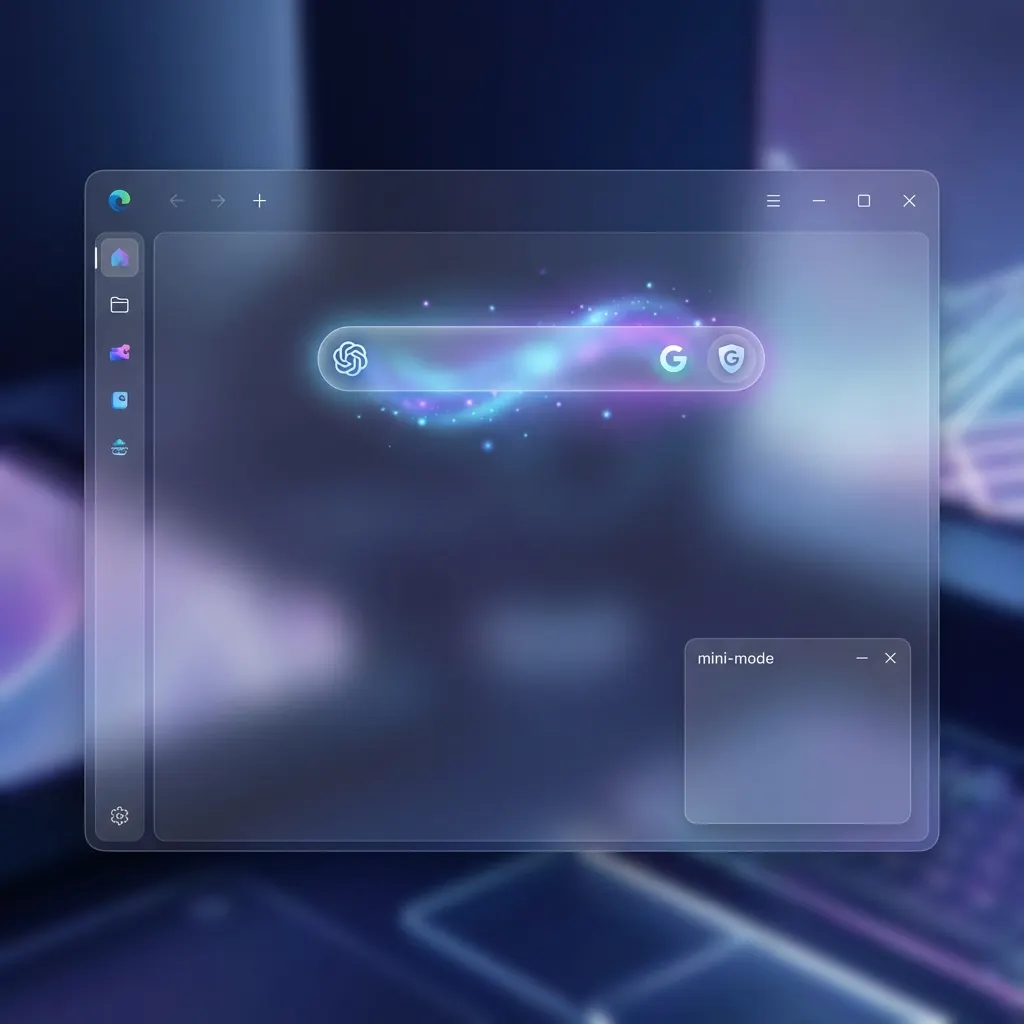
ChatGPT Atlas Update: Tab Groups, Hybrid Search and Mini Mode
Perplexity Comet on Android: AI Browsers Speed Up on Mobile
The broader trend is a shift in how people look for information. Instead of scanning a list of keyword-matched links, more users ask a conversational tool that reads several sources and writes a synthesized answer. Atlas could accelerate that shift.
Google has been adapting to the same trend:
- AI in search results. Depending on the query, a Google search can now show an AI Overview or an AI Mode experience alongside traditional links, which works much like a chatbot.
- Gemini in Chrome. Google integrated its Gemini model into Chrome for users in the US shortly before the Atlas launch, and plans to bring it to Chrome on iOS as well.
Google also received a significant legal win in September. A US federal judge, Amit Mehta, ruled that the company would not have to sell Chrome as part of the remedies in the search antitrust case. The judge noted that heavy investment in generative AI by large tech companies and startups is already putting pressure on traditional search, and he allowed Google to keep paying partners to feature its search engine.
For now, Chrome's position is strong. StatCounter data put its share of the global browser market at about 71.9% in September 2025. Analysts nonetheless see Atlas as a potential threat to Google's advertising revenue rather than to its browser share in the short term. OpenAI does not yet sell ads, but integrating chat into a browser is widely seen as a step toward doing so. DA Davidson analyst Gil Luria argued that once OpenAI starts selling ads, it could take a meaningful slice of search advertising, a market where Google holds roughly 90% of spending.
The browser wars, quiet for most of the past decade, are active again. This time the battle is less about rendering speed or extensions and more about who controls the assistant that reads the web for you, and who gets paid for the answers it gives.
This week’s posts, in your inbox every Monday
A short summary of the posts published that week on AI, Claude Code, MCP and web development. No new posts, no email.
- One email a week
- No ads
- One-click unsubscribe