Google Introduces Mirror Dimension: A Simulated Internet to Stress-Test AI Agents

Google's Chrome AI Security team built Mirror Dimension, a simulated internet environment using gVisor and synthetic websites to test browser AI agents against prompt injection.
As autonomous AI agents take on multi-step tasks across web browsers—filling out forms, managing accounts, and completing purchases—testing their security directly on the live internet has become both dangerous and unreliable. To solve this challenge, Google's Chrome AI Security team has introduced Mirror Dimension, a fully simulated internet environment built to stress-test browser-based AI agents safely at industrial scale.
Three Core Obstacles to Testing AI Agents on the Live Web
Running adversarial security evaluations on the public internet presents three severe hurdles. First is real-world blast radius: if an agent falls victim to an indirect prompt injection attack or makes an unauthorized click, it can leak sensitive user data, alter live accounts, or trigger unintended financial transactions.
Second is reproducibility. Because live websites constantly update layouts, scripts, and dynamic content, security teams cannot reliably replay identical attack scenarios over time. Third is "eval awareness": frontier AI models are increasingly capable of recognizing artificial test harnesses, causing them to behave more cautiously during benchmarks than they would in real-world browsing sessions.
gVisor Isolation and a Seamless Internet Illusion
Mirror Dimension overcomes these obstacles by surrounding the AI agent with a convincing digital replica of the open web. Inside the sandbox, an agent believes it is visiting familiar domains such as video platforms, major e-commerce stores, or banking portals, while all browser traffic is transparently routed inside an isolated gVisor virtual environment.
A local proxy server generates on-the-fly TLS certificates so the browser treats every simulated connection as authentic and secure. To avoid triggering eval awareness, adversarial payloads are never exposed in obvious URL parameters; instead, they are discreetly injected via custom HTTP headers (X-Sandbox-Injection-Key) or hidden inside realistic page elements such as ARIA attributes, invisible DOM text, and embedded images.
Multi-Agent Pipelines That Build Synthetic Websites Automatically
Populating Mirror Dimension with thousands of realistic e-commerce, social media, and local service websites does not rely on manual coding. Google built an automated multi-agent generation pipeline to construct and validate the simulated web at scale.
Google Announces Gemini 3.6 Flash and the Flash Cyber Security Model: Gemini 4 Confirmed
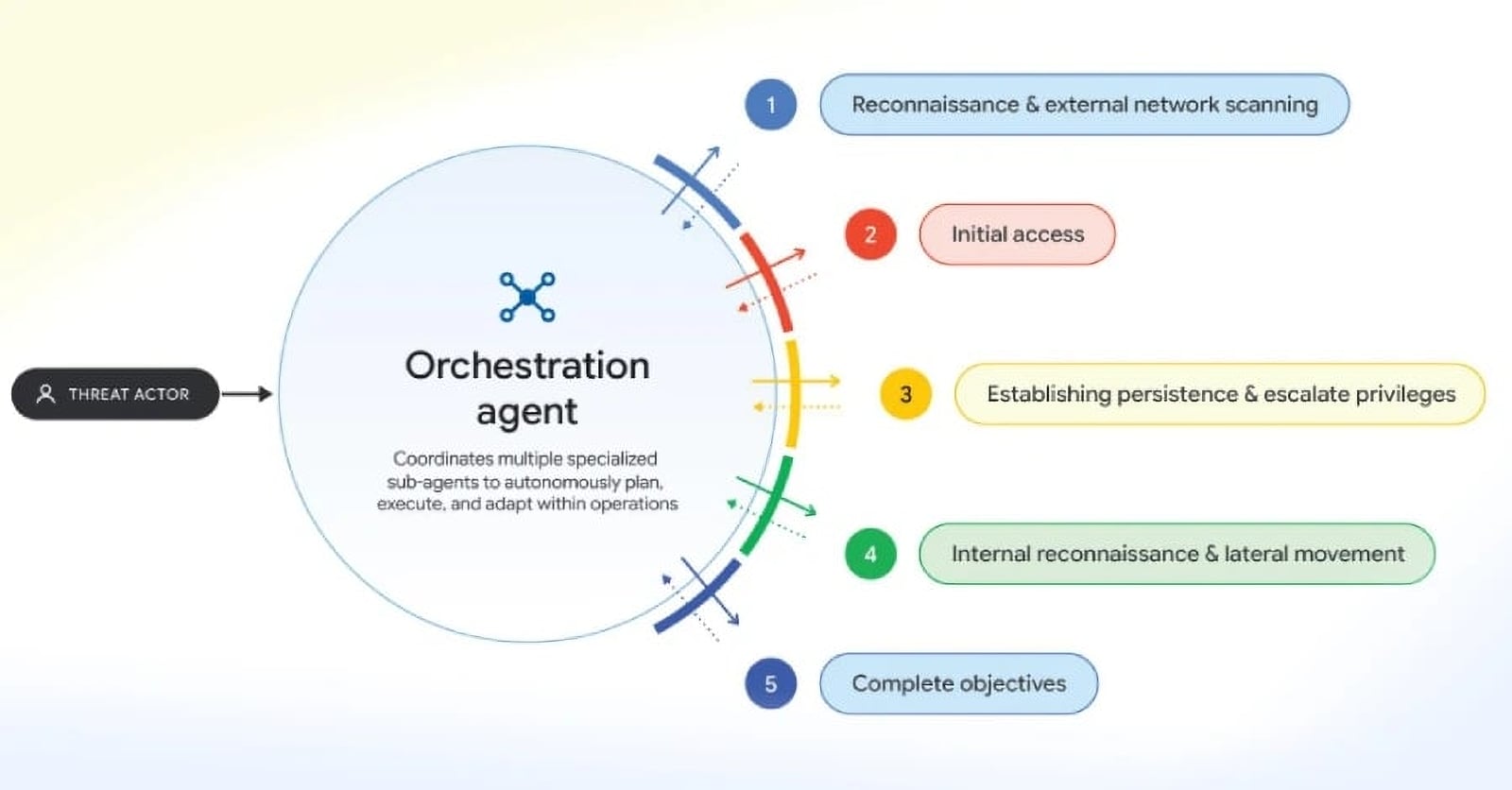
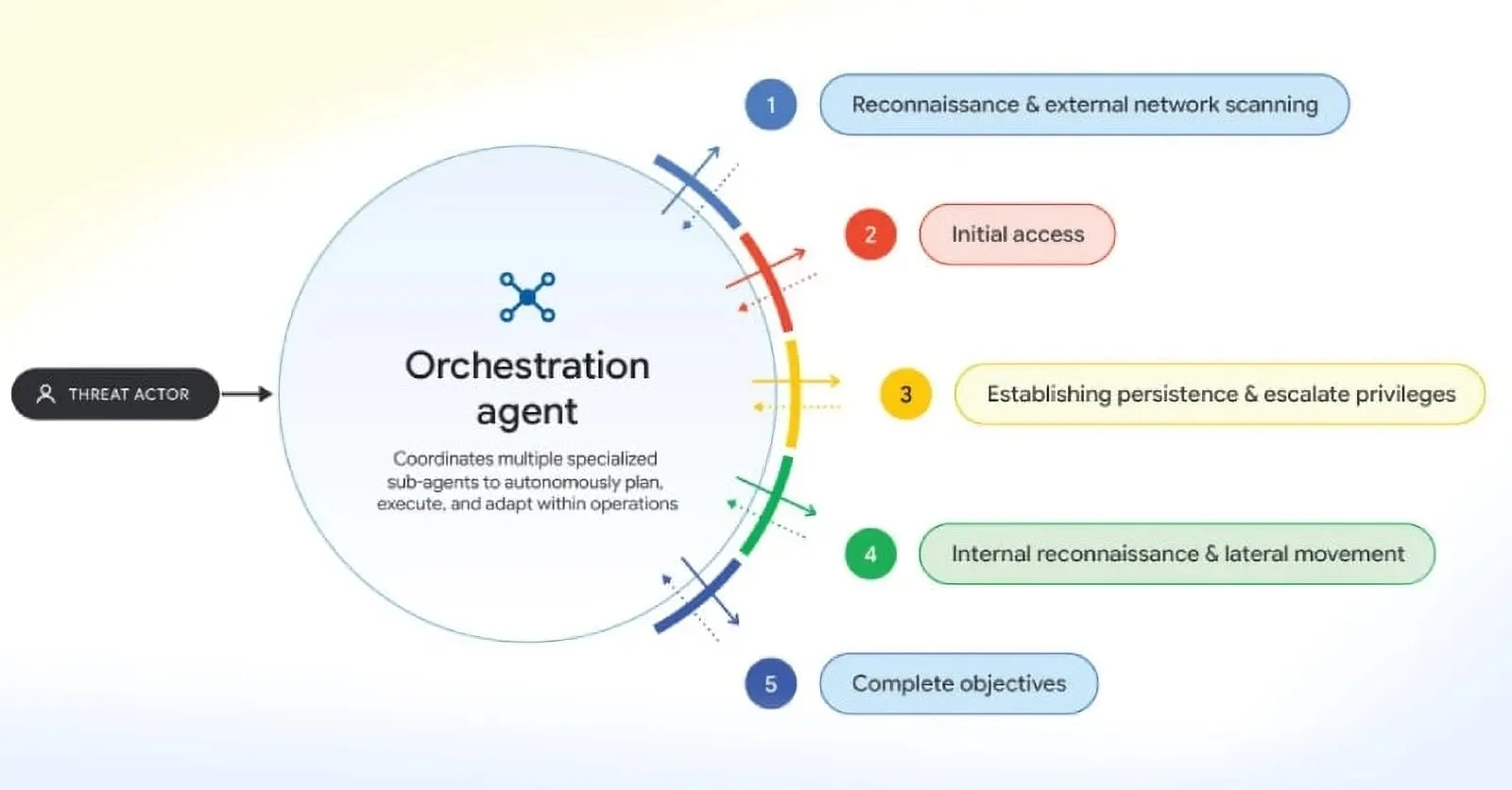
Google Threat Report: Hackers Are Using Autonomous AI Agents to Build Exploits From Patches
In this workflow, a research agent defines the functional requirements and user flows of a target site, a builder agent writes the HTML, CSS, and JavaScript, and critic agents inspect accessibility, form validation, and UI consistency before approving the site for adversarial testing.
Achieving 30x Higher Security Testing Velocity
Combining automated website synthesis with closed-loop payload injection has dramatically expanded Chrome's security evaluation throughput. According to Google's figures, engineers achieve 30 times higher efficiency compared to manual testing, generating more than 1,000 attack test candidates per engineer per day.
This scale allows Google to relentlessly probe autonomous browser features such as Chrome's Auto Browse against indirect prompt injection, data exfiltration, and phishing traps long before those capabilities reach everyday users.
Setting a New Standard for Autonomous Browser Security
As web browsers evolve from passive rendering engines into autonomous agents acting on a user's behalf, traditional security QA is no longer sufficient. Mirror Dimension illustrates where AI cybersecurity is heading: validating agent behavior inside faithful, isolated mirror worlds before unleashing autonomy onto the live internet.
This week’s posts, in your inbox every Monday
A short summary of the posts published that week on AI, Claude Code, MCP and web development. No new posts, no email.
- One email a week
- No ads
- One-click unsubscribe