Nano Banana Photo Prompt Codes: Ready-Made Prompt Examples in Gemini
Originally published in Turkish. Read the original →
Ready-made codes for generating portraits, products and outdoor scenes with Nano Banana. In each example, material, lighting and framing are written separately. That way the result doesn't end up looking like a flat filter.
Gemini image codes and Nano Banana photo codes describe the same need: describing the scene to the model like a photo shoot, not with a one-sentence compliment. The model's announcement is in the Nano Banana Pro post. Here there are only codes to paste. For classic templates, also see the Gemini photo-making codes.
Close portrait in daylight
Photorealistic close portrait, Nano Banana image, a [person with short dark hair] outdoors in open shade, soft daylight, no harsh sun on the forehead. 85mm lens, f/2, natural skin texture, visible pores, realistic catchlight in the eyes, no beauty filter, no text.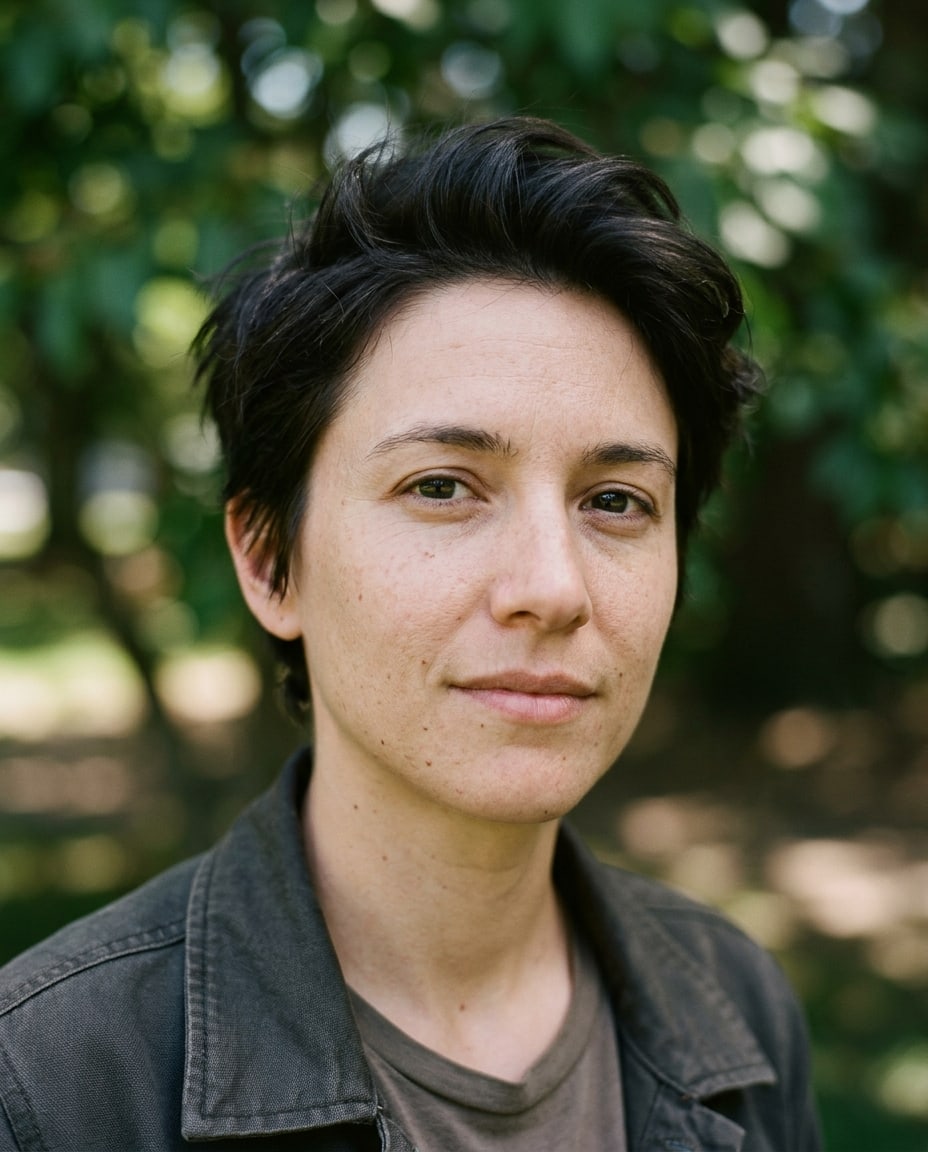
Gemini (Nano Banana 2.1) output, generated with this code.
Change the hair and the location. The phrase open shade stops the midday sun from hitting the face. If you want direct sunlight, write that separately. Otherwise the model blows out the forehead.
Single product, plain surface
Photorealistic product photo of a [glass bottle of olive oil] on pale stone, side light from the left, soft shadow to the right, real glass refraction, no label text, no logo, no hands. 90mm lens, f/8, clean catalog frame.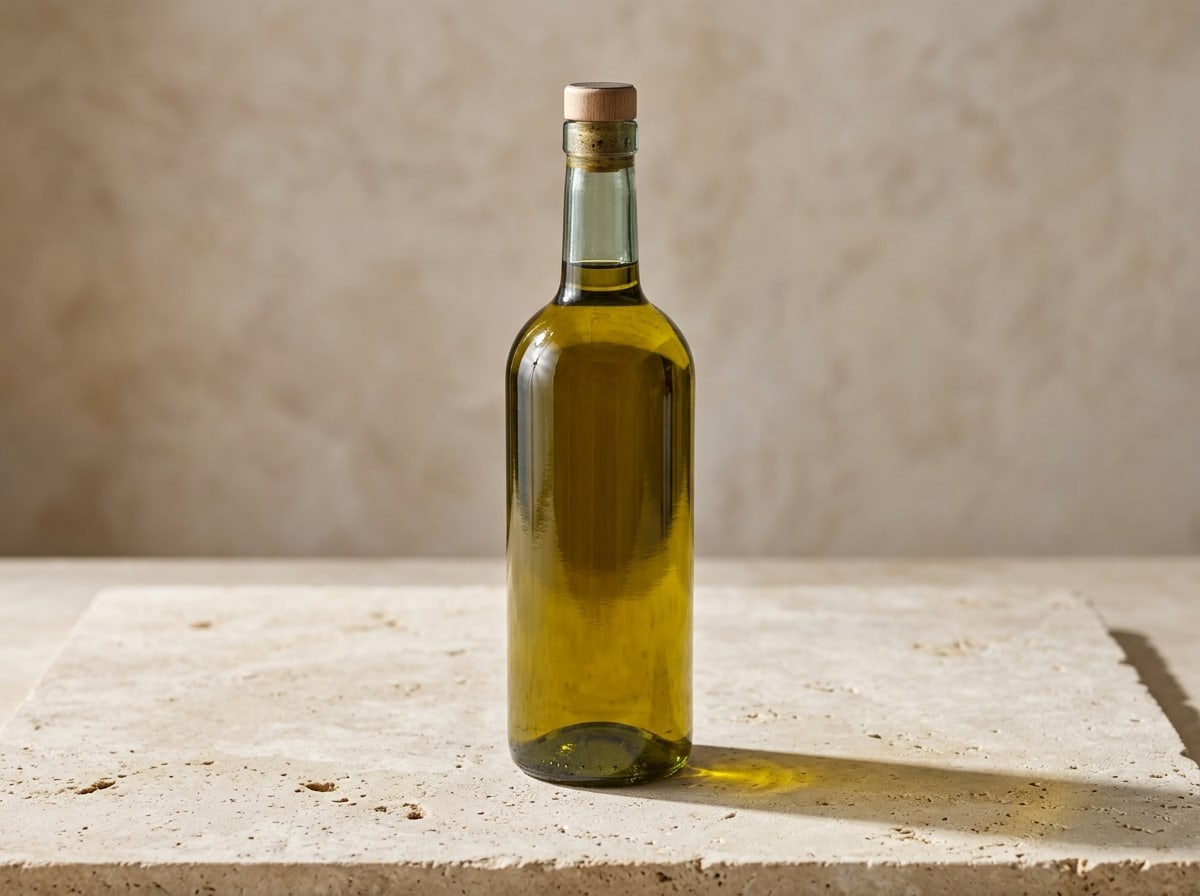
Gemini (Nano Banana 2.1) output, generated with this code.
For glass, liquid and metal, write the direction of the light. Directionless light makes the material look like plastic. Don't ask for label text.
Countryside landscape
Photorealistic landscape photograph of [a Cappadocia valley at sunrise], low warm light, long soft shadows, a dirt path in the foreground, no people, no text, no buildings with readable signs. 35mm lens, f/8, natural color, fine detail in the rocks.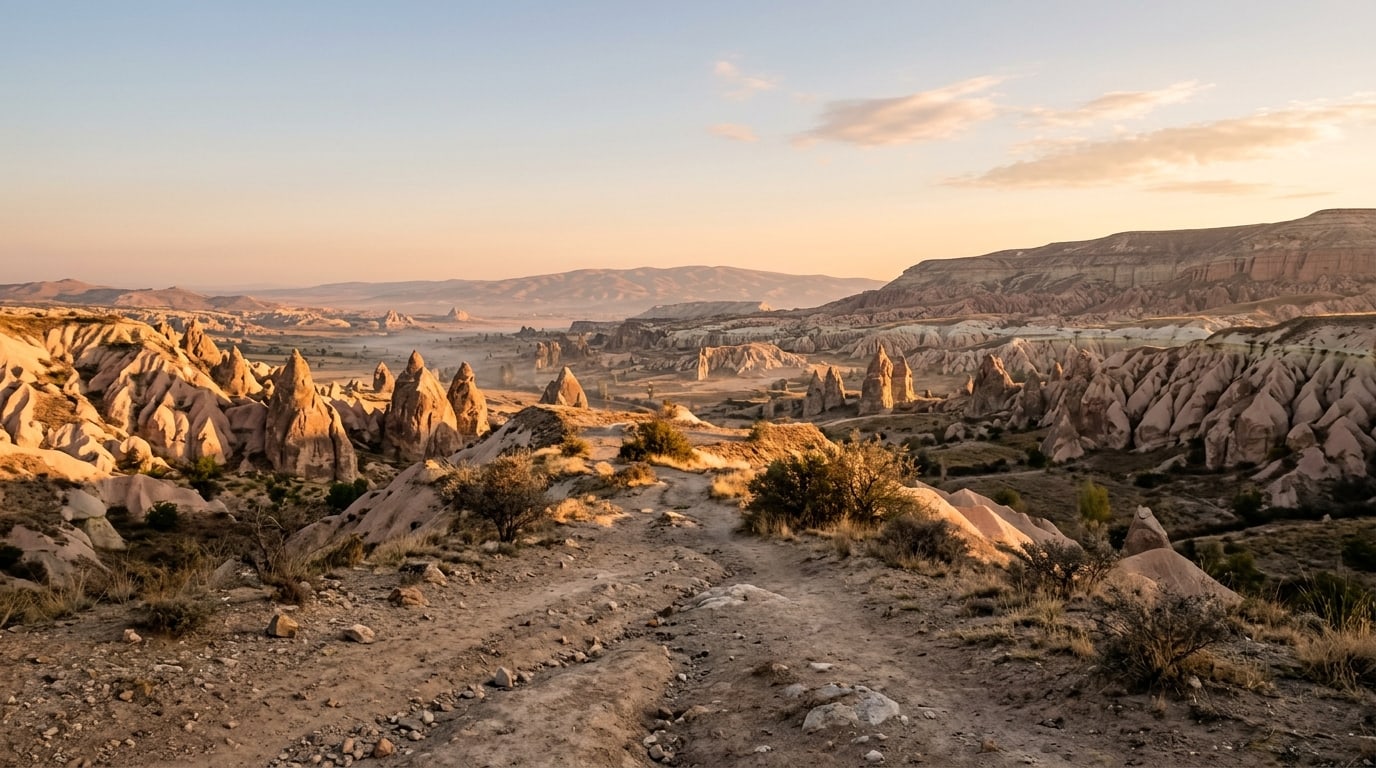
Gemini (Nano Banana 2.1) output, generated with this code.
Change the place name. Don't ask for signs or crowds. A single time of light is enough in a landscape code: sunrise or late afternoon.
Kitchen counter
Photorealistic photo of a [sourdough loaf] on a linen cloth, morning window light, a butter knife beside it, flour dust, no brand names, no text. 50mm lens, f/2.8, natural food photography, real crumb texture.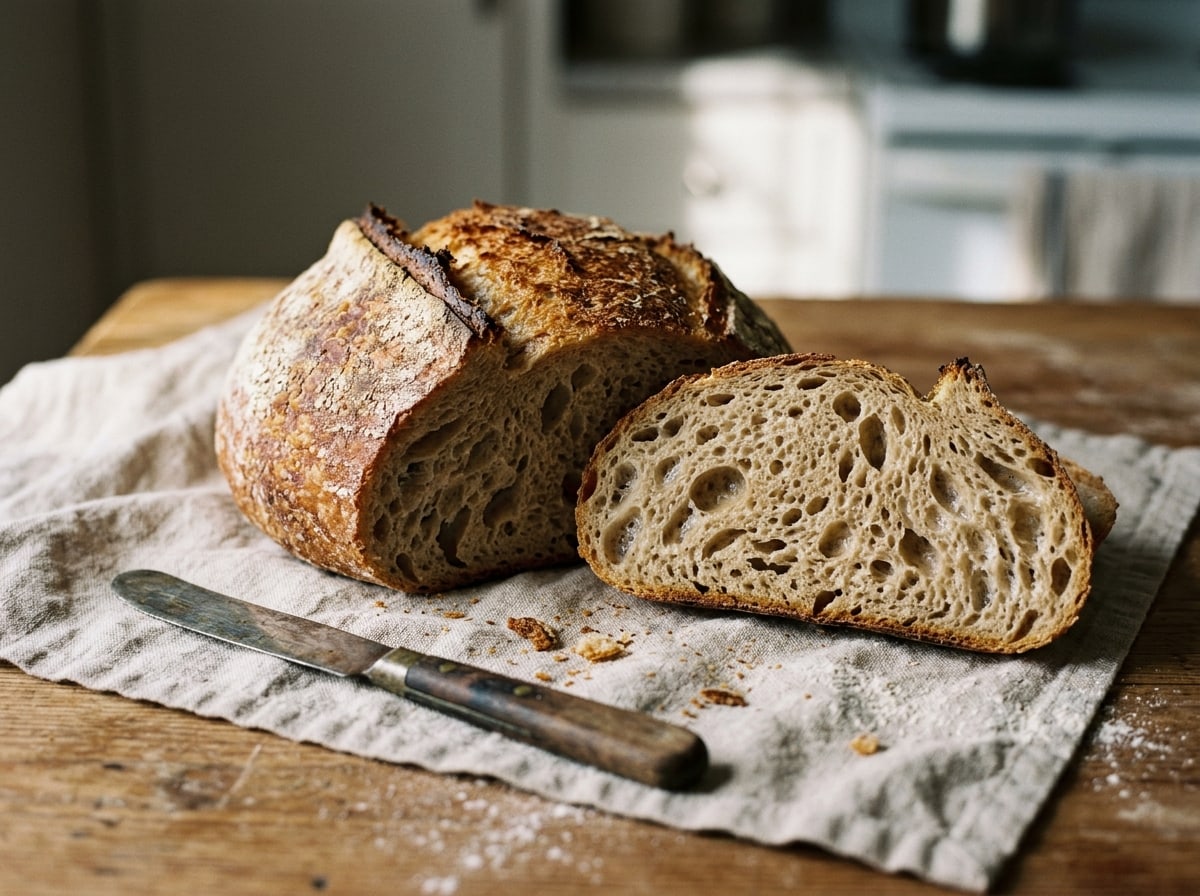
Gemini (Nano Banana 2.1) output, generated with this code.
In a food code, don't go over three items. Bread, cloth, knife. A fourth object turns the frame into a billboard.
Keep the code short
In a prompt that tells a long tale, Nano Banana loses track of the subject. A ten-line code gives a clearer shot than a forty-line story. Change a single word per attempt and save the version that works.
When you run the same code back to back, the composition can drift. Write down the lighting sentence from the shot you liked. Use that sentence exactly in the next request and change only the object. That way a series of shots looks like it came from the same shoot.
The material sentence
Nano Banana gets more out of the name of the material than out of the word beautiful. Write real refraction for glass, visible weave for fabric, open crumb for bread and rough grain for stone. Put one of these four phrases in place of the compliment. Two together only work if the object really carries both. An olive oil bottle has both glass and liquid. In that case write both, and don't add a third material.
For human skin, the material sentence stays visible pores. If you write flawless, the pores close up and the face looks like wax. Don't carry this line from the portrait code over to the landscape code. Looking for pores in rock sharpens the shot needlessly.
Scale
Say in the code how much of the frame the object takes up. A sentence like the bottle fills the left third keeps the model from tossing the object into a corner like a postage stamp. If you don't give a share, the model fills the empty space with other objects. If you want empty space, say empty space on the right, no extra objects.
If more than one object is required, write the number: exactly two cups. The phrase a few can mean three or seven. In a catalog shot, the number must be exact.
The saved recipe
Jot a one-line note next to each code. What changed, what got fixed. Don't paste the note into the code. The model may think the note is part of the scene. The note stays with you; the code stays with the model.
Generating four objects with the same lighting sentence gives a tidier series than generating one object with four different lights. If the series falls apart, look at the adjective that changed, not at the object. If the adjective changed that day, the series changed too.




