Alarm in the Chip Industry: The Biggest Memory Shortage in History Could Hit in 2027
Originally published in Turkish. Read the original →
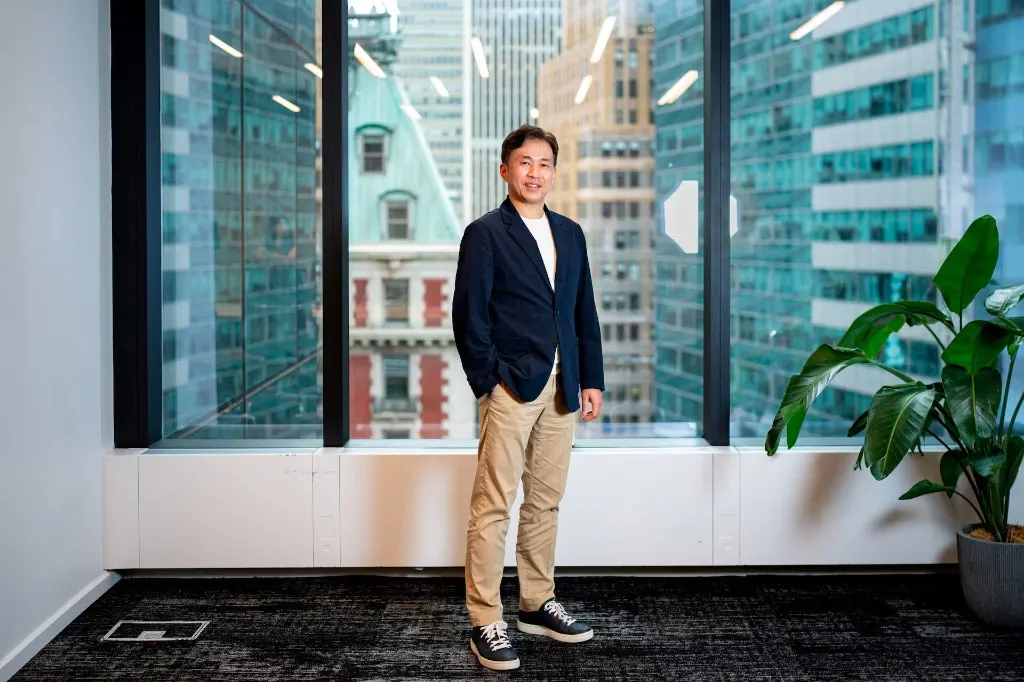
SK Hynix CEO Kwak Noh-jung said the memory industry could face the worst supply crunch in its history in 2027 due to AI-driven demand. The crisis is expected to be long-lasting and could affect even the years beyond 2030.
In the world of artificial intelligence (AI), we are used to a new model or a new capability being introduced every day. But behind this software revolution lies a physical hardware reality that keeps massive data centers running. And the memory (RAM) industry, one of the most critical links in this hardware world, may be drifting toward one of the biggest crises in its history.
SK Hynix CEO Kwak Noh-jung, head of the memory giant, summed up in striking words to Reuters how AI demand has pushed the memory industry into a bottleneck. It looks like the next few years will be quite "tense" in terms of hardware supply.
Let's take a closer, more down-to-earth look at the background of this crisis, the companies' investment plans and what lies ahead for us.
Summary: SK Hynix CEO Kwak Noh-jung said the memory (RAM) industry could face the worst supply crunch in its history in 2027 due to AI-driven demand. While it is noted that the crisis could last even beyond 2030 because of capacity limits and the priority given to HBM production, this bottleneck could also lead to price increases and stock problems in consumer electronics.
Production Capacity Isn't Enough for AI
Training and running AI models requires not only powerful GPUs (graphics processors) but also HBM (High Bandwidth Memory) modules that can exchange data with these GPUs at lightning speed. SK Hynix, as the largest memory supplier to Nvidia and AMD, sits right at the center of this market. In fact, the company's shares jumping 13.3% intraday to $168.85 as it began trading on Nasdaq is the strongest proof of this critical role.
But there is a serious problem: Production lines can't keep up with demand.
Kwak Noh-jung conveys the seriousness of the situation with these words: > "In terms of supply, we expect next year (2027) to be the worst year in the industry's history. We estimate that customer demand will remain above our supply capacity even beyond 2030."
In other words, even the investments being made today may not be enough to close the gap that will exist after 2030.
The US Is on the Table for a New Production Base
SK Hynix is working hard to find new factory locations to meet this enormous demand. CEO Kwak said they have not yet made a final decision on new wafer fabrication facilities, but alternatives such as the US, Japan and Southeast Asia are on the table. The requirements for the investment region are quite clear: * Sufficient land, uninterrupted energy and water infrastructure, * A skilled workforce, * Competitive production costs.
The company is already determined to grow its presence in the US. SK Hynix, which is building a $4 billion advanced chip packaging facility in Indiana, is also pursuing an additional $10 billion investment plan in the US to develop AI solutions.
In addition, as part of the South Korean government's program to double memory production capacity within 5 years, the construction of massive facilities worth 400 trillion won (about $266 billion) is underway through a Samsung and SK Hynix partnership. However, because semiconductor fabs take years to build and bring into production, it isn't possible to reap the rewards of these investments right away.
Why Will the Memory Crisis Be Long-Lasting?
Although the question "Will AI investment slow down?" is debated frequently in the tech world, hardware suppliers and analysis firms are confident that demand will stay at its peak for a long time to come.
* Nvidia CEO Jensen Huang emphasizes that the supply shortage in AI memory will last a few more years and that their strong partnership with SK Hynix will continue. * UBS analysts expect supply in the global DRAM market to lag behind demand until at least the second quarter of 2028. * According to Bank of America data, the capital expenditures of hyperscale tech giants will break historic records, reaching $851 billion this year and $1.15 trillion next year.
What Awaits Us as End Users?
So how will this huge memory gap in data centers be reflected in the computer in our home or the phone in our pocket?
- Prioritizing HBM production leads manufacturers to cut back on their standard DDR4 and DDR5 memory production capacity. In the coming period, this means:
- 1. Price Increases: Rising costs for the RAM kits we put in our computers and for smartphones,
- 2. Stock Shortages: High-speed RAM modules of certain capacities becoming harder to find,
- 3. Slower Configuration Upgrades: Phone and computer makers being more cautious about increasing standard RAM capacities in order to keep costs down.
If you are planning to upgrade your system or build a new computer soon, it is worth taking these global headwinds on the memory side into account. It looks like we will keep paying the bill for the AI revolution on the hardware side for a while longer.




