Sam Altman: Keeping RAM in Personal Computers Is a Global Waste of Resources
Originally published in Turkish. Read the original →
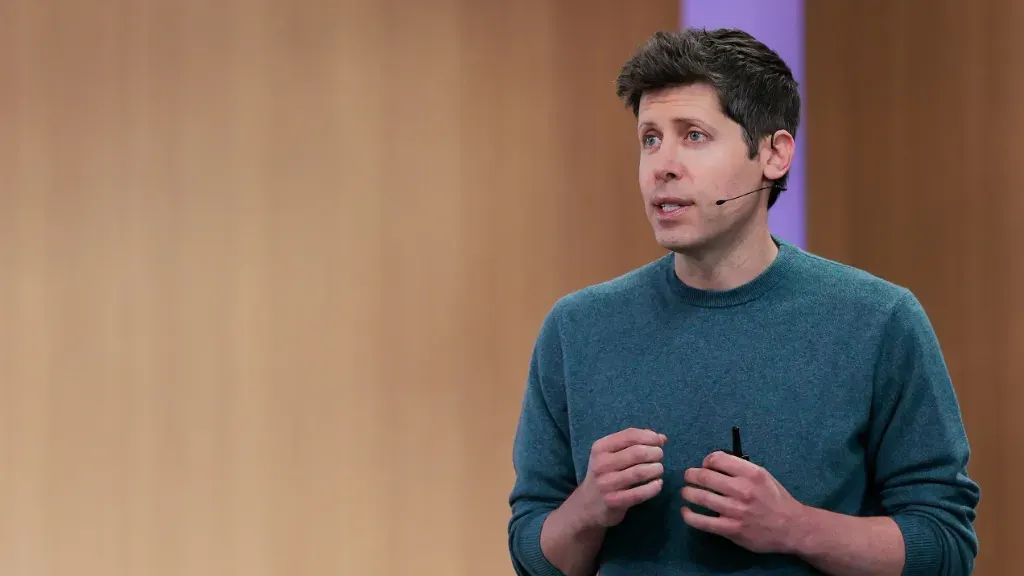
Speaking on the Cheeky Pint show, OpenAI CEO Sam Altman pointed to the global memory bottleneck and argued that RAM sitting idle in personal computers for most of the day should be pooled in data centers instead, sparking a major debate in the tech world.
OpenAI CEO Sam Altman, one of the most influential figures in the AI industry, has lit the fuse on a new debate in the tech world with his latest remarks about personal computer hardware and local AI models. Appearing on Cheeky Pint, the show hosted by Stripe co-founder John Collison, Altman assessed the global memory (DRAM) supply bottleneck and described individual users keeping high-capacity RAM in their computers as "a pretty bad idea and a waste from the standpoint of global resource allocation".
Criticizing the trend of running open source large language models (LLMs) locally on end-user devices, Altman argued that memory chips sitting idle for most of the day should be concentrated in data centers running at full capacity 24/7 instead of in personal systems. However, this view met with a harsh reaction from a wide audience, especially gamers, software developers and tech enthusiasts who care about data privacy.
Why Does Sam Altman See RAM in Personal Computers as Waste?
At the core of Sam Altman's argument is the supply-demand imbalance in the global semiconductor and memory supply chain. Training and inference for large-scale AI models require enormous amounts of high-bandwidth memory (HBM) and advanced DRAM capacity. According to Altman, while the amount of memory produced worldwide is limited, distributing this critical resource across millions of personal computers contradicts the principles of efficiency.
In his talk, the OpenAI CEO addressed end users' desire to build high-memory systems to run local AI models and highlighted the following points:
- Low Utilization: High-capacity RAM modules in a personal computer are actively used for only about 5 percent of the day and sit completely idle the remaining 95 percent of the time.
- Centralized Efficiency Advantage: When the same memory chips are integrated into server clusters in cloud data centers, they can run almost continuously and at maximum occupancy to serve the demand of millions of users worldwide.
- Economic Resource Allocation: Allocating a scarce production resource to consumer devices that spend most of their time switched off or in standby creates a serious inefficiency from a macroeconomic perspective.
Altman defended the inevitability of centralized cloud architecture with these words: "I understand why people think running open-weight local models on their own devices is cool; but from a global resource allocation perspective, taking the world's limited DRAM capacity and putting it into personal computers that are used only 5 percent of the time is a pretty bad approach."
The Global Memory Bottleneck and the Impact of Data Centers
Altman's remarks are not being viewed in isolation from the recent price increases and supply shortages in the hardware market. The massive data center investments of AI giants have led memory makers such as Samsung, SK Hynix and Micron to shift their production lines from consumer-grade DDR5 and graphics memory (GDDR) to enterprise HBM and server DRAM modules.
Reserving most of the production capacity for AI accelerators has driven up prices of both graphics cards and system memory in the consumer market. The tech community argues that the real culprits behind the memory shortage are the tech giants building massive server farms for models with trillions of parameters, and finds it ironic that Altman accuses consumers of "wasting resources".
Why Did Users and Developers React?
The objections from the hardware world and the developer ecosystem rest on the fact that personal computers are not terminals designed only to run AI chatbots. The main points critics raise are:
1. Versatile Workloads: RAM capacities of 32 GB, 64 GB or more in personal computers are a basic requirement for modern games, 4K/8K video editing software, 3D modeling tools, virtual machines, local software compilation and even modern web browsers with many tabs open. 2. Data Privacy and Sovereignty: Many professionals working with trade secrets, health data, financial records or personal documents prefer local models running on their own hardware (Llama, Qwen, DeepSeek or Mistral derivatives) instead of sending their data to third-party cloud servers. 3. Uninterrupted Access and Latency: Outages in cloud services, API rate limits or scenarios with no internet connection make local hardware power indispensable. 4. Ownership: Users see owning their own computing power through a one-time hardware investment as a form of independence compared with rented cloud systems that require a regular monthly subscription.
Open Source Local Models and the Cloud Monopoly Debate
In the background of the debate is the competition between "closed cloud models" and "open-weight local models", one of the most fundamental philosophical divides in the AI world. OpenAI has built its revenue model entirely on ChatGPT subscriptions and cloud-based API usage. Users being able to run powerful open source models on their own computers for free and offline creates a direct alternative to the long-term commercial dominance of cloud providers.
Industry analysts acknowledge that Altman's emphasis on "efficiency" lines up with data center economics in terms of economic rationality, but point out that this vision risks turning personal computers into "dumb terminals" (thin clients) that merely connect to the cloud. Just as cars, despite sitting parked for most of the day, remain indispensable for individual freedom alongside public transport, high hardware capacity in personal computers continues to exist to give users instant peak performance the moment they need it.
Where Is Personal Computer Hardware Heading?
On one side, manufacturers such as Apple, AMD, Intel and Qualcomm are bringing AI directly onto the device by promoting the NPU (Neural Processing Unit) powered "AI PC" concept and unified memory architectures; on the other, cloud giants like OpenAI argue that all computing power should be concentrated in central data centers.
In the coming period, a hybrid ecosystem in which both massive cloud-based models and optimized on-device local models coexist is expected to gain ground. But Sam Altman's remark targeting RAM capacity clearly shows that the tension between hardware ownership, open source freedom and the resource monopoly of tech giants will stay on the agenda for a long time.




