OpenAI Opens Its GPT-6 Astra Model to ChatGPT Plus Subscribers
Originally published in Turkish. Read the original →
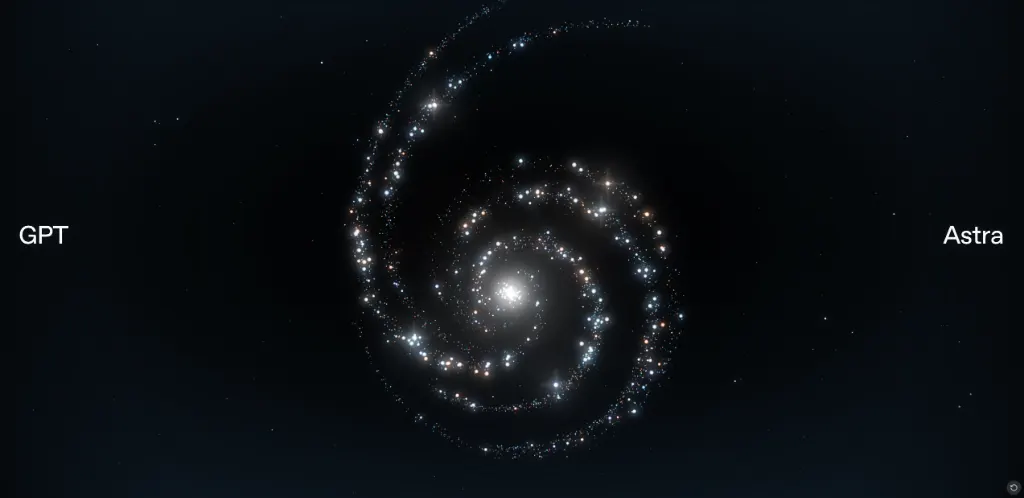
OpenAI has made its groundbreaking GPT-6 Astra model available to ChatGPT Plus users. We look at computer use, autonomous web development, software testing and cybersecurity concerns.
Another threshold that will redefine the balance of the AI ecosystem has been crossed. OpenAI has begun bringing its next-generation GPT-6 Astra model, presented as one of the most comprehensive and capable models it has developed since the first version of ChatGPT, to a wide audience. Previously available only to a limited number of enterprise partners and top-tier plans, the model is now being opened up to ChatGPT Plus subscribers paying $20 a month as well.
Described by OpenAI as a "generational leap" over previous-generation models, GPT-6 Astra leaves behind the era of the classic chatbot where users only get answers through text. The model has a powerful autonomous agent architecture that can interact directly with the computer interface and take independent action by analyzing visual data and operating system elements.
The Final Stage of a Gradual Rollout: Plus Subscribers Get Astra
OpenAI managed Astra's rollout on a very cautious schedule. First opened to a very limited group of developers and enterprise partners on September 3, 2026, the model reached Pro, Enterprise and Business Premium subscribers in recent days.
With today's step, OpenAI has begun gradually rolling out Astra to ChatGPT Plus users, who form the backbone of individual professionals and content creators. This move means that advanced autonomous computer interaction capabilities are being integrated directly into the daily workflows of millions of users worldwide.
The Heart of GPT-6 Astra: Autonomous Computer Use
The most fundamental thing that sets GPT-6 Astra apart from existing language models is its capacity to perceive objects on the screen like a human and turn that into actions on the operating system. By scanning interface elements, the model can manage mouse movements, clicks and keyboard input like a virtual operator.
Astra's standout capabilities in day-to-day operational processes include:
* Multi-step forms and data entry: It can fill in complex, multi-page application and registration forms in the web browser without errors, following the given instructions. * CRM and database updates: It can review customer records in Salesforce, HubSpot or in-house CRM tools and automatically update their latest status. * Smart calendar and scheduling management: It extracts meeting requests from email threads, finds suitable slots in the calendar and can organize invitations. * Comprehensive web research: It scans different sources on the internet and synthesizes its findings; it can then transfer the report it compiled directly into an email draft or a text editor.
Software Development, Frontend Testing and Scientific Analysis
Astra's pool of capabilities is not limited to office tasks. The solutions the model offers in software development and data science processes also reach a remarkable level.
Besides being able to build a modern web application from scratch, the model can check whether the interface it developed actually works by opening the browser itself and testing it. Running frontend tests autonomously, Astra can inspect button responses, in-page navigation and visual consistency and report bugs.
In addition, the model can autonomously install and build the required software packages and dependencies through the terminal, and it can visually diagnose error windows that appear on the screen while it works and apply the steps to fix them. Analyzing complex scientific datasets, statistical modeling and professional chart visualizations are also among the areas where Astra is proficient.
The Security Dilemma: The Cyber Risks Raised by OpenAI Are on the Table
Although Astra's ability to read the computer screen and generate keyboard and mouse commands promises great productivity, it also brings serious security concerns. Opening up a model authorized to act at the operating system level to a wide audience has ignited a new security debate in the tech world.
What is notable is that these concerns have been voiced openly not only by independent security researchers but also by OpenAI's own leadership and security teams. It is noted that if autonomous AI models are exploited by malicious actors, scenarios such as automated phishing operations, discovering system vulnerabilities and unauthorized data exfiltration could be carried out much faster.
Opening the system to such a broad user base increases the regulatory pressure on OpenAI. A possible cybersecurity breach could make all next-generation frontier models a direct target of regulation and public criticism. For this reason, the company is said to apply strict permission layers, human approval for sensitive actions (human-in-the-loop) and continuous telemetry checks in the Astra version offered to Plus subscribers.
A New Era in AI: From Chat to Action
Making GPT-6 Astra available to ChatGPT Plus subscribers marks generative AI's definitive transition from merely "answering" to the age of agentic AI that "actually does the work". This new era, in which users will start handing off their routine computer tasks, looks set to fundamentally change both productivity standards and digital security protocols.




