OpenAI's First Hardware Revealed: A Smart Speaker with a Camera
Originally published in Turkish. Read the original →
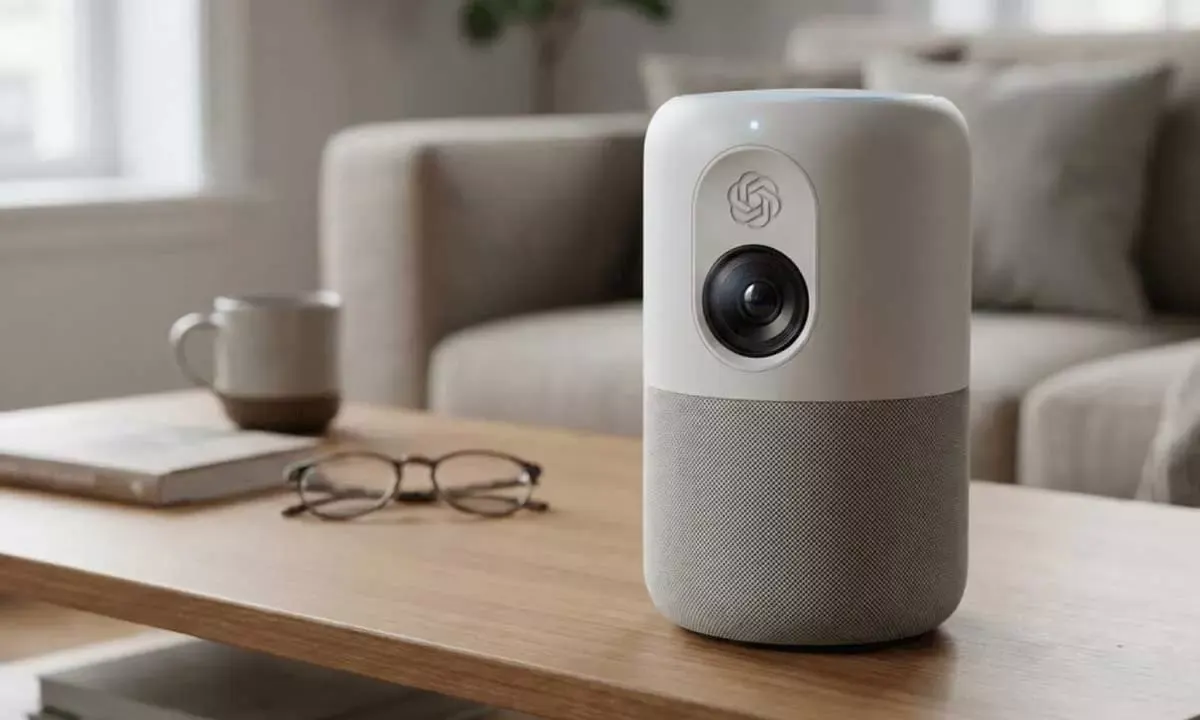
Details are emerging about the camera-equipped smart speaker OpenAI is building with Jony Ive, focused on face recognition and visual interaction. The new device is set to launch in 2027.
OpenAI, one of the pioneers of the AI revolution, is finally preparing to take its place in the physical world with its own hardware devices. The camera-equipped smart speaker project, the first and most concrete result of the company's work with legendary designer Jony Ive, has come to light. Equipped not only for voice commands but also with contextual visual analysis capabilities, this innovative device will reach users in early 2027.
Face Recognition and Contextual Interaction
The key difference between this smart speaker and traditional voice assistants is its integrated camera system. Thanks to this camera, the device will not just hear what is said; it will be able to visually analyze the user, the other people around them and the environment.
The system will use an advanced face recognition infrastructure similar to Apple's Face ID technology. This capability will let the AI draw contextual inferences from visual data. For example, the speaker could learn from your calendar that you have an early meeting in the morning and, when it sees you staying up late in the evening, offer proactive advice such as “You should go to bed earlier.” The device thus stops being a passive tool that responds to commands and becomes an active assistant that observes your daily life.
Not Just Voice, but an Advanced Sensing Terminal
Many of the smart speakers dominating the market today have only a microphone array and a cloud-based voice processing backend. OpenAI is taking the model much further, turning the speaker into an “AI terminal.” Functions such as visual perception, real-time environment analysis and the ability to make purchases directly are reportedly going to be integrated into the system.
In addition, according to information leaked from internal presentations, OpenAI does not plan to stop at a single prototype. The company is also continuing work on more futuristic devices such as an AI-powered smart lamp and AR (augmented reality) based AI glasses. However, the launch of these products is targeted for a later date, specifically 2028 and beyond.
Competition Heats Up: Apple in the Crosshairs and the Privacy Test
The launch of this hardware, expected to be priced between $200 and $300, will set the stage for fierce competition with the big players, especially Apple, which ironically lost Jony Ive to the project. As is well known, Apple is also preparing to introduce its own home hub hardware this year, capable of video calls and built on an updated, smarter version of Siri.
Both giants share the vision of placing AI at the very center of the home. But OpenAI faces a serious test: data privacy. How well a device that can continuously observe users' living spaces and habits will meet privacy expectations, and how it will ensure security, will remain one of the biggest debates in the industry. We will all see how OpenAI strikes a balance with its strong software foundation and its innovative device.




