Moonshot AI Launches Kimi Code Desktop: A 1 Million Context Coding Agent Comes to the Desktop
Originally published in Turkish. Read the original →
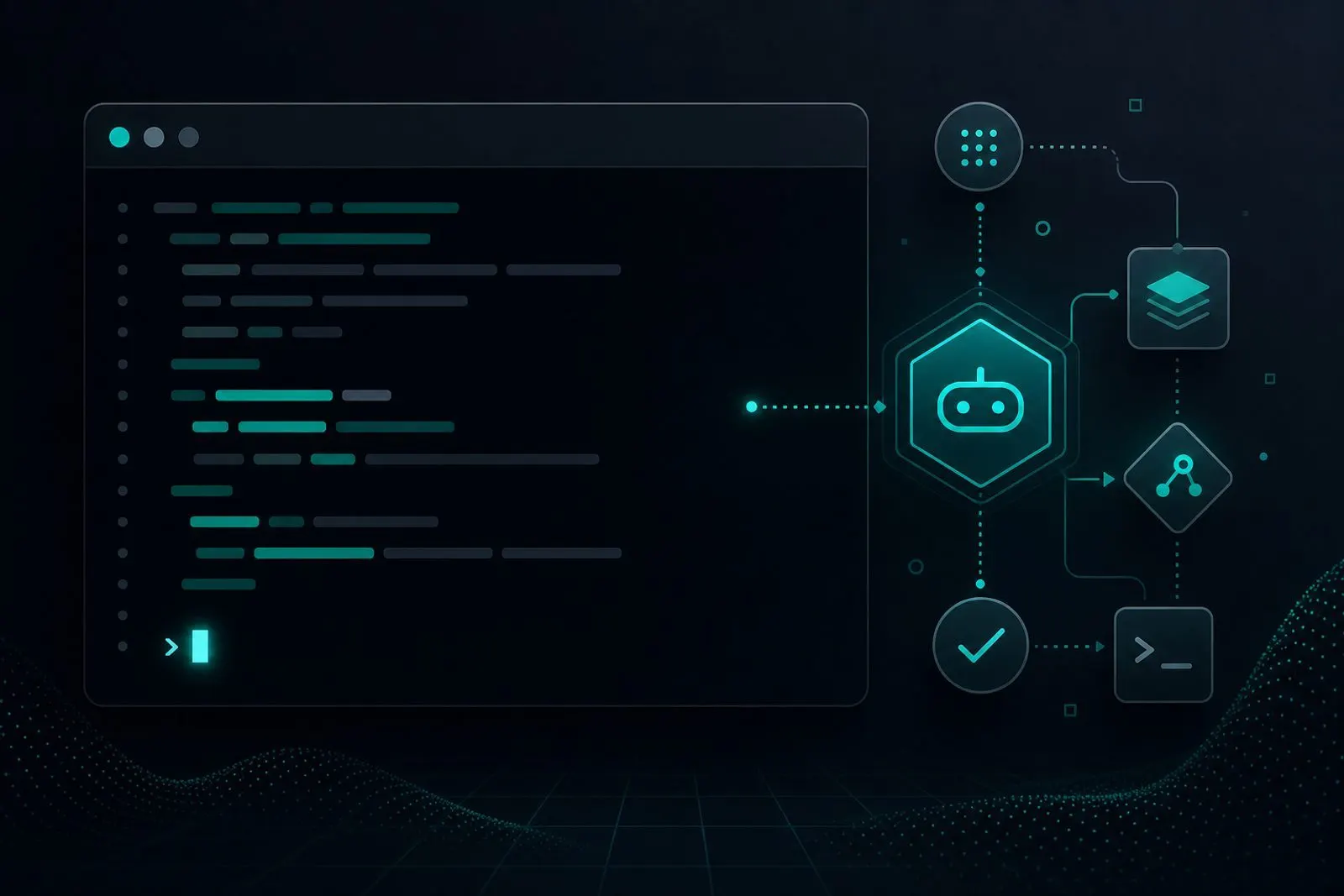
Moonshot AI turned its terminal-based coding agent into a standalone desktop app called Kimi Code Desktop. A detailed look at its 1 million token active context window, isolated workspaces, Kimi K3 becoming available on Amazon Bedrock and the company's $1 billion ARR milestone.
The rise of China-based AI labs in the AI-driven software development ecosystem continues unabated. Moonshot AI, known in this space especially for its huge context windows and superior reasoning ability, announced a new product on September 21, 2026 that made waves in the software world: Kimi Code Desktop. Turning the autonomous coding agent previously used through a command-line interface (CLI) in the terminal into a standalone desktop app, the company puts its massive 1 million token context memory at developers' fingertips with a modern graphical interface. In parallel with this move, the global availability of its flagship model Kimi K3 on Amazon Bedrock cements Moonshot AI's weight in the international market.
Kimi Code Desktop: A Coding Agent Beyond the Limits of the Terminal
Even though developers are familiar with terminal tools, in multi-step software projects, inspecting complex file hierarchies, watching visual UI output in real time and comparing code differences (diffs) can be time-consuming in a terminal environment. With Kimi Code Desktop, Moonshot AI has removed this barrier entirely.
Released simultaneously for Windows, macOS and Linux, Kimi Code Desktop works as a standalone editor and operations center. The app can run local shell commands in the background, install dependencies, catch and fix build errors and manage Git operations autonomously. Developers can simply state their goals in natural language and watch the app work through the entire project from start to finish.
Split-View Diff Review and Secure Isolation
The app's user interface was designed specifically around software engineers' workflows. Developers can view the code changes Kimi Code Desktop proposes side by side (split-view) and review every line in detail before committing. Instead of being applied directly to the main codebase, the agent's solutions are built in an isolated virtual workspace and run through automated tests. Once the tests pass, the user can move the changes to Git branches with a single click.
Thanks to the integrated terminal console, developers can both watch the shell commands the agent runs in the background live and intervene manually when needed. This transparent, controllable structure removes the concern about AI writing code unchecked.
Zero Context Loss with 1 Million Tokens of Memory
Kimi Code Desktop's biggest trump card is the 1 million token active context window that Moonshot AI has made an industry standard. While other AI tools hit their context limits in large enterprise monorepo projects or in microservice architectures made up of hundreds of thousands of lines, Kimi Code can hold the project's entire documentation, database schemas and test suites in memory at the same time.
This is revolutionary especially in architectural refactoring work and in root cause analysis of rare system crashes. The model can detect hidden dependencies between a project's oldest modules and its newest services in a single query and produce solutions that do not introduce regressions.
The Amazon Bedrock Move: Kimi K3 in the Global Cloud
One of the most critical steps in Moonshot AI's global growth strategy was the Amazon Bedrock integration that went live on September 18, 2026. Kimi K3, the company's most powerful flagship model with 2.8 trillion parameters, was made available to AWS customers.
In addition to being the first open-weight model added to the Amazon Bedrock catalog, Kimi K3 also earned the title of the first model on the platform to support explicit prompt caching. Thanks to this feature, large enterprise teams can call up massive code repositories from the cache in seconds instead of loading them into the model from scratch with every request, achieving cost savings of up to 70 percent on their token bills. With native vision capabilities, the model is also considered the industry leader in turning design mockups directly into working React or Vue components. Delivered through AWS infrastructure, this integration makes it easier for enterprises to fully comply with strict security standards such as GDPR and SOC2.
Kimi K2.8 Preview and the Retirement of Older Models
Rapidly refreshing its product lineup, Moonshot AI also made the Kimi K2.8 Preview model available to early-access developers in September. This multimodal intermediate model, which processes visual and textual data simultaneously, is positioned for lightweight agent workflows that analyze mobile screenshots, error logs and architecture diagrams.
Meanwhile, to focus its infrastructure resources on next-generation models, the company officially retired the aging Kimi K2.5 and Moonshot V1 series as of August 31, 2026. Directing the entire developer ecosystem to Kimi K3 and the new desktop agent has pushed the company's operational efficiency to the highest level.
Passing the $1 Billion ARR Mark
The strong interest its innovative models have attracted in the enterprise world has also shown up in its financials as a historic record. As of August 2026, Moonshot AI surpassed $1 billion in annual recurring revenue (ARR), becoming one of the fastest-growing startups in the AI industry. Company management aims to bring this figure to $2 billion by the end of 2026.
Overall Assessment
With the launch of Kimi Code Desktop, Moonshot AI is turning coding agents from a niche developer toy into a mainstream software development standard. The Kimi K3 model, which gained global scale through the Amazon Bedrock partnership, and the company's strong financial momentum show that it is not only competing with Silicon Valley giants but also setting new rules in autonomous software engineering. Desktop agents are expected to completely transform the IDE experience in the period ahead.




