Luma AI Uni-1: A New 'Thinking' Revolution in Image Generation
Originally published in Turkish. Read the original →
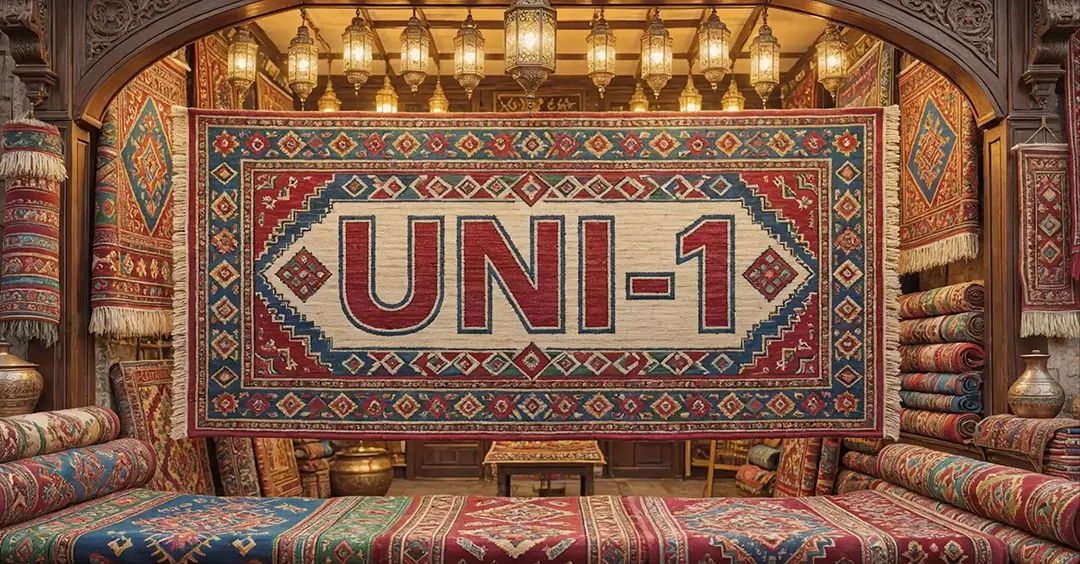
Luma AI has announced its new image generation model, Uni-1. Unlike diffusion models, Uni-1 works with a 'step-by-step thinking' architecture and outperforms ChatGPT and Gemini at understanding complex instructions and staying consistent.
Luma AI Uni-1: A New 'Thinking' Revolution in Image Generation
In the AI world, the pieces keep shifting every day. But some updates don't just improve existing technology; they fundamentally change the rules of the whole game. The Uni-1 model newly announced by Luma AI falls squarely into this category. Stepping outside the "diffusion" method we have grown used to in image generation, Uni-1 brings a "thinking" AI architecture to the visual world and achieves something close to a revolution.
In this post, we take a detailed look at what difference Uni-1 makes in a market dominated today by giants like ChatGPT (DALL-E 3) and Gemini, why it is "cheaper and more powerful," and how it will transform our image generation workflows.
Beyond Traditional Methods: Why Is Uni-1 Different?
Almost all the popular image generation tools we have used so far (Midjourney, Stable Diffusion, DALL-E) were fundamentally based on a technology called "diffusion." This method works on the principle of starting from a pile of noise and building a clear image step by step. The biggest limitation of this method, however, is that the model arranges pixels purely according to statistical probabilities without truly "understanding" what it is creating.
Uni-1 takes a completely different path here. Luma AI's engineers built Uni-1 with an architecture that thinks step by step, just like modern language models (LLMs). In other words, before it starts creating an image, Uni-1 analyzes the instruction, plans the components of the image and moves forward by evaluating its own output at every step.
Step-by-Step Reasoning (Visual Reasoning)
Uni-1's most striking feature is its ability to break complex instructions (prompts) into parts the way a human would. For example, when you make a complex request such as "a knight holding a green apple in his right hand, pulling a key out of his left pocket, with the orange reflections of the setting sun behind him," classic models can sometimes mix up the hands or put the sun's reflection in the wrong place.
Uni-1, on the other hand:
1. Determines the knight's position. 2. Plans the color and form of the apple in the right hand. 3. Constructs the action in the left pocket. 4. Calculates the shadows and reflections based on the position of the light source (the sun).
This process takes consistency between images to an incredible level. Uni-1 could be a real lifesaver especially for storytellers and game designers who want to use the same character in different scenes.
Performance Tests Against ChatGPT and Gemini
Luma AI shared quite ambitious data when launching Uni-1. In independent tests, Uni-1 managed to outperform the market leaders in many areas.
Comparison With Nano Banana 2 and GPT Image 1.5
In comparisons with Nano Banana 2, one of the most powerful models on the market, and OpenAI's relatively new GPT Image 1.5 (the evolved form of DALL-E), Uni-1 scores 20% higher on detail quality and prompt adherence.
Uni-1's success at text rendering in particular is remarkable. The words you want written inside the image are no longer "meaningless piles of letters"; they become part of the image with the right font, the right perspective and zero spelling mistakes.
Neck-and-Neck Competition With Gemini 3 Pro
In tests against Gemini 3 Pro, Google's most advanced image model, Uni-1 appears to perform on par in some specific areas (especially photorealism and texture detail). But this is where Uni-1's biggest advantage comes into play: speed and cost.
More Powerful, Faster and 30% Cheaper
Another issue as important as performance for tech companies is cost. Uni-1 offers a much more optimized infrastructure than its competitors. For high-resolution (4K and above) generation, Uni-1 is between 10% and 30% more cost-effective than its rivals.
For advertising agencies, content production studios and game developers that produce thousands of images a day, this means huge savings on an annual basis. Many professionals in the industry think that, with this price/performance balance, Uni-1 could become the market's new standard.
Professional Use Cases: A New Era in Advertising and Design
Uni-1 was designed not only for individual users but also for professional workflows. The "consistent character" and "scene continuity" features the model offers are especially revolutionary in these areas:
1. Content Marketing: Keeping the same character and artistic language across all of a brand's campaign visuals now takes seconds. 2. Game Development: From concept designs to asset production, Uni-1 stays in interaction with the developer at every step thanks to its architecture. 3. Advertising: Integrating product images into different locations and lighting conditions happens much faster than classic retouching.
Conclusion: A New Page in AI With Uni-1
With Uni-1, Luma AI is not just offering a "picture-making tool"; it is offering a work partner that understands, plans and thinks about the visual world. How ChatGPT and Gemini will respond to this move remains to be seen. But the performance, cost advantage and reasoning capabilities Uni-1 offers today prove that nothing in image generation will be the same again.
If you want to take your creativity to the next level, put your complex visions onto the digital canvas flawlessly and lower your costs while doing so, Uni-1 is definitely one of the first models you should try.
The era of "thinking" in AI image generation has officially begun. So where will you stand in this new era?
--- You can visit their official website to try Uni-1 and explore the new world Luma AI offers.




