Freepik Is Now Magnific: The AI Transformation of a $230 Million Company
Originally published in Turkish. Read the original →
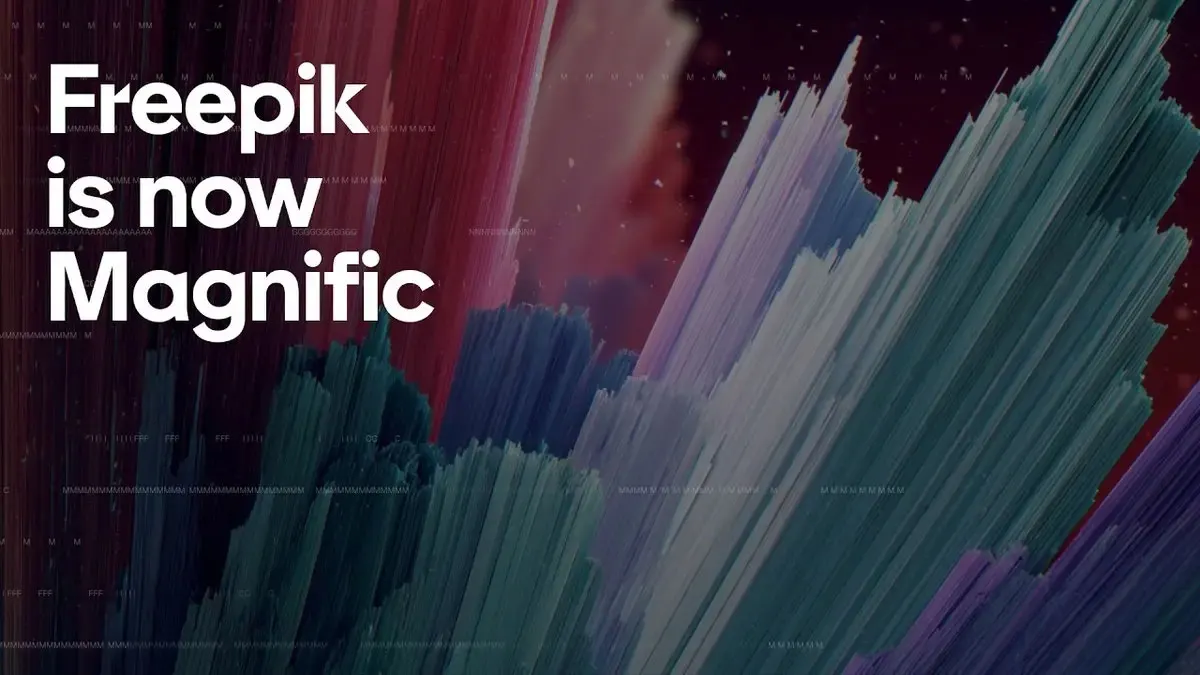
Freepik’s rebrand as Magnific is not just a name change; it is a bigger strategy in which the stock image, design tool and generative AI markets come together under one roof.
For many years Freepik was positioned as one of the best-known stock image platforms on the internet. Offering an archive of icons, vectors, photos, mockups and templates for designers, social media managers, agencies and content creators, the company earned a strong place in the daily workflow of teams that especially need to produce fast. But the company's latest move shows that the old category boundaries the Freepik name stood for have become too narrow. Freepik has announced that from now on it will continue under the name Magnific.
Seen from the outside, this decision might look like a simple rebrand. But it's not just about the logo, the domain or the marketing language changing. Freepik's transformation into Magnific is one of the symbolic steps in the shift from the stock image economy to the AI-powered creative production economy. The company no longer positions itself merely as a platform selling ready-made content, but as a broader AI studio that brings image generation, editing, upscaling, transformation and corporate design workflows together in one hub.
Why Did Freepik Become Magnific?
The Freepik brand was strong, but it was also tightly bound to a product category of the past. In many users' minds, Freepik still evoked a "stock image site". That perception wasn't enough to communicate the AI tools the company has developed in recent years. Because in the age of generative AI, what users expect isn't just to find a ready-made image; it's to turn their own idea into an image within a few seconds, edit an existing image, improve its quality and produce variations that fit the brand's language.
The Magnific name represents a broader promise here. Instead of keeping the Magnific tool it acquired in 2024 and its other AI products under separate brands, the company is merging them under one roof. This move matters for the user experience too. Instead of different names, different product pages and separate positioning, a clearer structure emerges that meets all of the user's creative needs within the same ecosystem.
The brand consolidation also sharpens the message the company gives to corporate customers: Magnific is no longer just a library where individual designers look for resources; it is a professional platform where marketing teams, publishers, media companies and big brands can manage their generative AI processes.
From Stock Images to a Generative Studio
For a long time, stock image platforms worked like the creative production infrastructure of the internet. The image needed for a poster, presentation, ad campaign or blog cover was picked from ready-made archives and edited. That model is still valuable, but with AI the logic of production has changed. Instead of trying to find the image in the archive closest to what they're looking for, users can now directly describe the image they want.
For platforms like Freepik, this change means both a threat and an opportunity. The threat is that classic stock image demand will decline over time. The opportunity is that the same user base needs more powerful tools. The Magnific transformation focuses exactly on that opportunity. The company is trying to move into a new category by combining its content archive, design experience and user habits with AI generation tools.
The critical difference here is that AI is positioned not as a standalone "toy that generates images" but as part of the creative workflow. For professional teams, the point isn't just to produce a nice image. The same image needs to be adapted to different formats, be consistent with the brand identity, match the campaign's language, and have copyright and usage terms that can be managed. Magnific's real growth area emerges in this professional layer.
What Does $230 Million in Revenue Mean?
The figures the company shared are striking. Under the Magnific umbrella, annual recurring revenue is said to have reached $230 million, the number of paying users to have passed 1 million, and the number of corporate customers to be over 250. It's also stated that more than 4 million images are generated on the platform every day.
What's important about these figures isn't just their size but the fact that the company achieved this without taking outside investment. While many startups in the AI market make headlines with giant funding rounds for aggressive growth, Freepik/Magnific took a different path. Its existing user base, subscription model and strong relationship with creative professionals made it possible for the company to grow on its own revenue.
This also makes the balance of power in the market interesting. Magnific competes in a space with very strong players such as OpenAI, Google, Adobe, Canva and Midjourney. But in this race, model quality isn't the only deciding factor. User habit, distribution channels, content licensing experience, corporate trust and a paying customer base matter at least as much as model performance.
Why Does It Matter for Corporate Customers?
The fact that brands like the BBC, Puma and Amazon Prime Video use the platform shows that Magnific doesn't only appeal to individual content creators. For big companies, AI-powered image generation offers speed and cost advantages in the short term. Testing different concepts for a campaign, preparing social media variations or producing content tailored to regional markets becomes much faster than before.
But corporate use comes with risks too. Brand consistency, copyright safety, ethical use of generated images, the risk of fake or misleading content, and internal approval processes must be managed carefully. That's why platforms like Magnific need to stand out not only on generation quality but also on their governance and trust layers. For a corporate customer, "generating an image with one click" isn't enough; that generation needs to be auditable, repeatable and compliant with brand standards.
A New Position Against Adobe and Canva
Magnific's move is part of a bigger transformation in the creative software market. Adobe is strengthening its professional design ecosystem with AI through Firefly. Canva puts fast design production at the center with its simple interface and broad user base. Midjourney and similar tools stand out mainly on image quality and aesthetic output.
Magnific could settle into an interesting middle ground in this picture. It has the advantage of the stock content and design resources from its Freepik past. It has an AI side strengthened by the Magnific acquisition. And it has a large user base that is already used to paying. When these three elements come together, the company can claim to be not just "an image generation tool" but the daily production hub of creative teams.
Of course, for this transformation to succeed, the rebrand alone won't be enough. The move from Freepik to Magnific needs to feel natural to users, existing subscriptions and content habits must not be disrupted, and the products need to actually work better under one roof. The biggest risk of a rebrand is creating a gap in users' minds while leaving a strong old brand behind. To prevent that, Magnific must show the value the new name offers very clearly.
Conclusion: Freepik's Old Identity Wasn't Enough
Freepik's transformation into Magnific is an important example of how creative platforms are being redefined in the age of AI. Value used to lie in owning a large and accessible image archive. Today, value lies in being able to turn the user's idea into images that are fast, high quality, editable and suitable for commercial use.
That's why the Magnific move isn't just a name change; it's a declaration of which market the company wants to compete in in the future. The Freepik name represented the internet's stock image era. Magnific offers an identity better suited to the new era where generative AI, creative automation and professional design workflows come together.
If the company can pull off this transition with the same clarity in the user experience, Magnific may not remain just Freepik's new name. It could become one of the most striking examples in the AI-powered image generation market of a company that grew without taking investment and carried millions of its users into the new creative economy.




