The DRAM memory crisis is growing: why RAM prices and availability could get harder in 2026
Originally published in Turkish. Read the original →
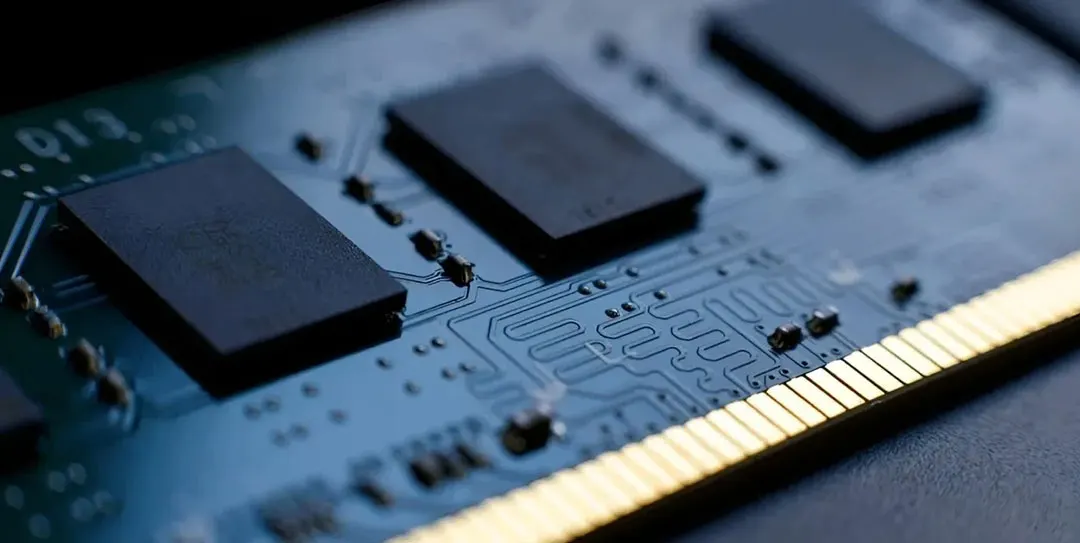
Rapidly rising demand for high-bandwidth memory (HBM) is pushing manufacturers to shift capacity to more profitable areas. This trend brings supply pressure, price increases and availability problems for some capacity options on the classic DRAM (DDR4/DDR5) side.
Recently, AI investments have started to squeeze not only the GPU market but also the memory (DRAM) side. In particular, as demand for HBM used in data centers grows, how manufacturers allocate their limited production capacity becomes more critical. As a result, on the consumer side we may see a period that feels like “lucky are those whose orders get filled”: more expensive RAM, less stock for some models, and manufacturers acting more cautiously with product configurations.
In this post, I'll look at the issue without the noise: What is the root of the crisis, how could it affect end users, and which scenarios are on the table for 2026–2027?
The source of the problem: classic DRAM gets squeezed as HBM grows
There are two parallel realities in the DRAM world:
- Production of “classic” DRAM such as DDR4/DDR5 for consumer devices continues.
- Demand for HBM, which plays a critical role in AI servers, is rising fast.
The rise of HBM does not by itself mean “DDR production is over”. But in practice, the following mechanism kicks in:
- Production lines, packaging capacity, workforce and investment budgets are not unlimited.
- Manufacturers tend to shift capacity to areas with higher margins and more aggressively growing demand (like HBM).
- Even if this shift doesn't “completely wipe out” supply on the DDR side, it can make the market tighter.
The result: even if demand on the DDR side stays the same, supply growing more slowly (or shrinking in places) can push prices up.
Impact on end users: “fewer options” is as possible as higher prices
When people hear “crisis”, they think only of price hikes, but there are two different effects:
- Price pressure: As RAM costs rise, “configuration price increases” become more frequent for PCs, laptops and even phones/tablets.
- Availability / product breakdown: Some capacity/channel combinations (e.g. certain DDR5 kits, certain speeds or “previous-generation” DDR4 kits) can become harder to find.
This can especially lead manufacturers to simplify their product lines: fewer options, fewer promotions and more limited stock.
Why has the “old capacity” debate come back?
When supply pressure drags on, an interesting dynamic emerges: instead of new capacity options growing in the market, demand can pile up on existing, established capacities. Manufacturers may also fall back on configurations that “sell for sure” to avoid risk.
On the consumer side, this is felt as follows:
- RAM/configuration upgrades slow down in mid-range devices.
- The cost of “moving up one capacity tier” can increase disproportionately.
Of course, this is not a certainty; but it is a common behavior pattern in periods when supply is tight.
How long will it last? A possible picture for 2026–2027
Recovery in the memory market is usually not as easy as pressing a single button. Expanding capacity requires investment, time and a supply chain. Therefore:
- In the short term (throughout 2026), price fluctuations and a feeling of “shortage for some products” are likely to continue.
- For an easing scenario, manufacturers need to bring additional capacity online and demand needs to become more balanced; this often corresponds to a timeline that slips into 2027.
The most sensible approach here is not to give an “exact date” but to plan by accepting that the risk window extends across 2026.
So what should you do now? (Practical suggestions)
This is not investment advice; just a few practical approaches from a “purchase planning” perspective:
- If you plan to upgrade in the near term, the cost of postponing may rise: Especially if RAM is your system's clear bottleneck.
- Choose capacity based on need: Instead of “the most expensive is the best”, set a target based on your workload (gaming/productivity/VMs).
- Pay attention to compatibility and channel count: Buying the wrong kit can add extra cost during the return/exchange process.
- Track prices and have a backup plan: Being flexible between different speed/brand options at the same capacity gives you an advantage during availability crunches.
Final word
The rapid growth of HBM demand could create sharper-than-expected pressure on the classic side of memory (DDR4/DDR5). The risk users face in 2026 is not just “price hikes”; it may also be fewer options and harder-to-find stock for some configurations. If you plan to build or upgrade a system soon, it makes sense to treat this period as a time for “more careful planning”.




