ChatGPT Now Has Its Own App Store: AI Is Becoming a Platform
Originally published in Turkish. Read the original →
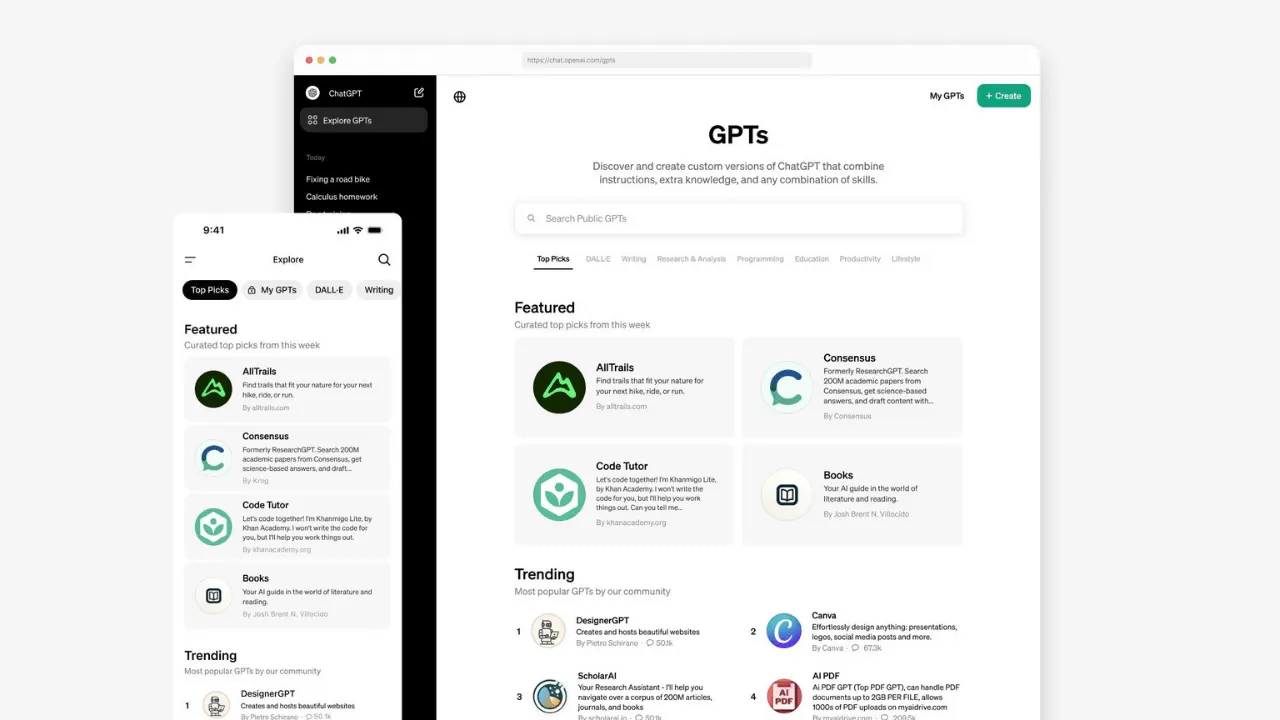
OpenAI is turning ChatGPT from a chatbot into a full-fledged platform. With the new app directory and the Apps SDK, services like Apple Music and Figma are being integrated, and a whole new era is beginning for developers.
When we look at the history of technology, we realize only years later that some moments were “turning points”. Steve Jobs announcing the App Store in 2008 turned smartphones from mere communication devices into supercomputers in our pockets. Today, we may be witnessing a similar revolution in the world of AI.
OpenAI has taken a giant step toward turning ChatGPT from a smart assistant that merely answers our questions into a comprehensive platform that will sit at the center of our digital lives. The company announced that it has opened a built-in App Directory inside ChatGPT and released the Apps SDK in beta, which lets developers build apps for this ecosystem.
This move isn't just a new feature; it's the first concrete manifesto of the “AI Operating System” (AI OS) vision that the tech world has been talking about for a long time. ChatGPT is now on its way to becoming an “Everything App” that can talk directly to many services, from Apple Music to Figma and from DoorDash to Google Drive, take actions and do work on our behalf.
Here is a detailed analysis of ChatGPT's new app store, the opportunities it offers developers and how this change will shape our digital future.
From Chat to Platform: What Is the App Directory?
Until now, our relationship with ChatGPT was quite simple: we asked, it answered. Although this text-based interaction sped up access to information, it was limited when it came to “taking action”. You could get a recipe, but you couldn't order the ingredients. You could have it write song lyrics, but you couldn't listen to the song.
OpenAI's new vision turns this interface from a passive source of information into an active “command center”. The newly opened App Directory lets users discover, install and use third-party services without ever leaving the ChatGPT interface.
The integrations previously called “connectors”, which pulled data from services like Google Drive, Microsoft OneDrive or Dropbox, now officially have “app” status. This isn't just a name change; it's a sign that the capabilities and reach of these tools have expanded.
The First Big Partners: Apple Music and Figma
With the launch of the system, OpenAI brought out the big guns to show the power of the ecosystem.
* Apple Music Integration: This integration turns ChatGPT into a personal DJ. When you say during a chat, “Suggest something with an 80s rock vibe that I can listen to while working,” ChatGPT doesn't just list song titles. It can play those tracks directly through your Apple Music account, create playlists and add them to your library. This is an example of AI not just generating text but also managing the multimedia experience. * Design Collaboration with Figma: Figma, the standard tool of the design world, is also one of the pioneers of this new era. A designer or product manager can pull the relevant Figma files directly into the chat window while talking to ChatGPT. When you say, “We need to change the color of the buttons in this design,” the bot understands the context and can comment on the relevant layers or offer code suggestions. This is the clearest example of the concept of “Contextual Work”.
A New Playground for Developers: The Apps SDK and the Beta Process
A platform's success is measured by the strength of the community building on it. What makes the iPhone the iPhone is the millions of apps in the App Store as much as the hardware inside. Aware of this, OpenAI is opening its doors to developers with the Apps SDK (Software Development Kit).
This SDK gives developers all the tools they need to build “Chat-First Apps”. So what does this mean?
1. Direct Submission and Distribution: Developers can apply to include their own apps in the ChatGPT ecosystem. Approved apps are listed in the platform's official “Apps” directory. This means even a small startup can reach millions of ChatGPT users directly. 2. Concrete Actions (Actionable AI): Apps built with the new SDK don't just provide information; they can also take actions in the outside world. Example:* When a user says “I'm looking for a birthday gift for my mom,” an e-commerce app could list products and build the infrastructure to create an order without redirecting to a checkout page. Example:* A project management tool could automatically create task cards (Jira, Trello, etc.) from meeting notes in the chat. 3. UI Library and Interface Standards: One of the biggest problems with chatbots was that non-text visual elements (buttons, cards, lists) weren't standardized. OpenAI provides open-source sample apps and a comprehensive UI library so developers can design chat-first interfaces. The goal is to ensure a consistent user experience across different apps.
User Experience: Call It with “@”, Extend the Intelligence
Using the new system is quite familiar for anyone used to modern communication tools (Slack, Discord, Twitter). When users want to use an app, they can bring it into the conversation using the '@' sign, just like tagging someone on social media. For example, when you type “@OpenTable find an Italian restaurant for tonight”, the OpenTable app kicks in and presents reservation options.
But OpenAI wants to spare users the hassle of constantly typing commands. Using AI's ability to “understand context”, the company is testing an automatic suggestion system.
When you ask “I'm going to Paris for the weekend, what should I do?”, ChatGPT will analyze the flow of the conversation and be able to suggest, automatically and proactively:
* Skyscanner or Expedia for flight tickets, * Booking for hotel reservations, * TripAdvisor for restaurant recommendations, * Uber for getting around the city.
This promises an anticipatory assistant experience that meets even the needs the user hadn't thought of.
Memory Integration: Apps That Know You
The new system works deeply integrated with ChatGPT's Memory feature. When this feature is turned on, apps stop being “stateless” and turn into assistants that know you.
For example, a grocery shopping app will “remember” that you're allergic to gluten or that you prefer organic products. When you simply say “Order what the house needs,” it will be able to prepare a cart that matches your past habits and dietary preferences within seconds. This level of personalization is an experience that is very hard to achieve on traditional websites or mobile apps.
Privacy, Data Security and Concerns
Such an integrated system naturally brings privacy concerns with it. How safe is it for a third-party app to listen to our conversations or access our data?
OpenAI says it follows a transparent policy on this.
* Explicit Consent: Apps must always get your explicit approval to access your data. * Data Usage: For Free, Plus, Go and Pro users, if the “improve the model for everyone” option is enabled, some data from app interactions may reportedly be used for model training. For Enterprise customers, stricter privacy agreements usually apply, under which data is not used for model training. * Review: Every app that enters the App Directory has to pass OpenAI's security and policy review. This aims to keep malware or bots that could steal data off the platform.
Regularly checking which app accesses which data from the “Settings” menu will be an important part of digital hygiene in the new era.
Revenue Model: Uncertainties and Opportunities
For developers, the most critical question is: “How will we make money from this?”
For now, OpenAI hasn't drawn a clear revenue-sharing framework like Apple's App Store model (30% commission). At this early stage, the company is adopting a “traffic referral” model.
* Developers can sell physical products (e.g. shoes, food, tickets) through their apps and redirect users to their own sites for payment. * Companies with existing SaaS (Software as a Service) subscriptions (e.g. Figma, Canva) can position their ChatGPT app as “added value” they offer to their existing subscribers.
However, it's still unclear what model will be set up in the future for digital products, in-game purchases or premium services that run only inside ChatGPT. Experts think it's inevitable that OpenAI will eventually build its own payment infrastructure and move to a model where it takes a cut of in-app purchases.
Conclusion: Toward the “Everything App”
OpenAI's move turns ChatGPT from a simple chatbot into an infrastructure on which billion-dollar economies can be built. We are seeing the “Super App” model, in which China's WeChat combines messaging, payments, shopping and government services in a single app, being reimagined in the Western world on the basis of Generative AI.
This change will also intensify the competition among tech giants. While Apple tries to bring Siri to a similar position with “Apple Intelligence”, Google is integrating its own ecosystem (Maps, YouTube, Hotels) with Gemini. But OpenAI's “platform-independent” structure could make it a common “top layer” for both iOS and Android users.
Looking ahead to 2026 and beyond, we are entering an era in which the question “Which AI assistant do you use?” will matter more than “Which operating system do you use?” And by opening the app store of this new age, ChatGPT has planted the first big flag.




