The AI Crisis Is Growing: After RAM and SSDs, It's the Processors' Turn
Originally published in Turkish. Read the original →
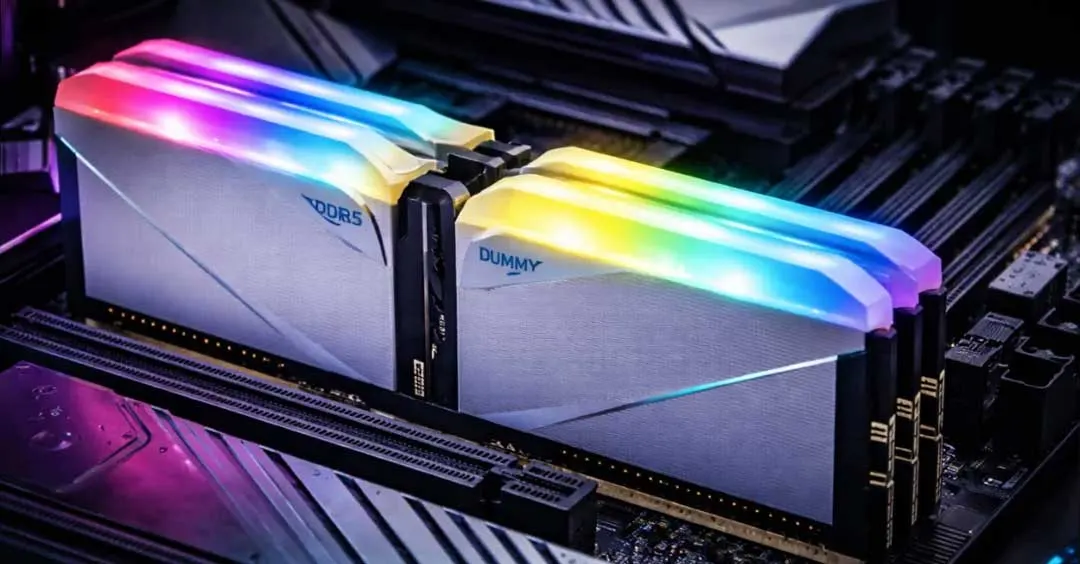
The insatiable appetite of AI data centers has hit the CPU market too, following the memory and storage crisis. How will a demand explosion that Intel and AMD can't keep up with affect PC and server prices? We examine the details of the new hardware crisis.
The Second Wave of the Hardware Bottleneck: AI Data Centers Turn to the CPU Market
The modern tech world continues to be shaken by the enormous wave of demand created by artificial intelligence (AI). While throughout 2025 we were talking about supply shortages of graphics cards (GPUs) and then high-speed memory (HBM/DRAM), in the first half of 2026 the crisis jumped to a new front: processors (CPUs). CPUs, which used to sit in the shadow of GPUs, have become a new bottleneck as AI data centers scale up.
The Next Stop After the Memory and Storage Crisis
AI-focused data centers need massive CPU power not only for computation but also for managing data and coordinating autonomous systems. While the extreme price increases previously seen on the DRAM and NAND (memory and storage) side haven't fully cooled down yet, the same pressure is now being felt in the processor market.
Recent leaks show 256GB DDR5 memory module prices breaking records by exceeding the 5,700 dollar mark, and this cost pressure appears to be forcing a similar price revision on processor makers Intel and AMD. Intel and AMD are struggling to keep up with demand for "scalable" processors, especially on the server side.
Price Increases of Up to 15% Are on the Way
Information coming from hardware makers confirms that a new wave of price hikes has started in the PC and server market. According to TrendForce data, Intel has started applying price increases of more than 15%, especially in certain mobile processor segments and older-generation entry-level models.
And it doesn't stop there; a new price update of up to 10% is also on the way for Intel Core Ultra processors, the company's newest flagship series. These increases feeding directly into the costs of system makers such as Dell, HP and Lenovo will push up the prices of the components and prebuilt systems end users buy by 10% to 15%.
It's Not Just Data Centers: The Gaming Sector Is Taking a Hit Too
The effects of the CPU crisis are not limited to corporate server rooms. The AI storm has created a side effect that also hits gaming hardware. For example, futuristic game consoles and next-generation handheld console projects are also facing delays.
Even Valve, one of the giants of the industry, had to postpone its futuristic next-generation Steam Machine (and next-generation high-performance Steam Deck variants) projects to a later date because of this bottleneck in CPU supply. The hardware shortage is slowing down both game development processes and next-generation console launches.
The Winner of the Crisis: Arm and the AGI CPU Move
Every crisis brings its own opportunities. In this period when giants like Intel and AMD can't keep up with production limits on the x86 architecture and the explosion in demand, the Arm architecture is preparing to fill a revolutionary gap.
Arm is entering the market with next-generation processors developed specifically for data centers and focused directly on AI workloads. The Arm AGI CPU series, optimized especially for "Agentic AI" applications, offers a very strong alternative to traditional processors with its energy efficiency and autonomous task management capabilities. This could further accelerate data centers' move away from x86 dependence.
We Are Living Through an Era of Bottlenecks
2026 is the stage for hardware's battle to keep up with the pace of AI software. With CPUs added to the list after the RAM and SSD crisis, it is clear we have entered a period in which technology is constrained not only by "software" but also by "physical production capacity."
For end users, this has two consequences: more expensive hardware and longer waiting times. If you plan to build a system or invest in servers soon, acting before prices rise even further may be the most sensible strategy.




